Sewing Machine Stitch Length Inconsistent: Diagnose Variable Spacing Without Blaming Tension First
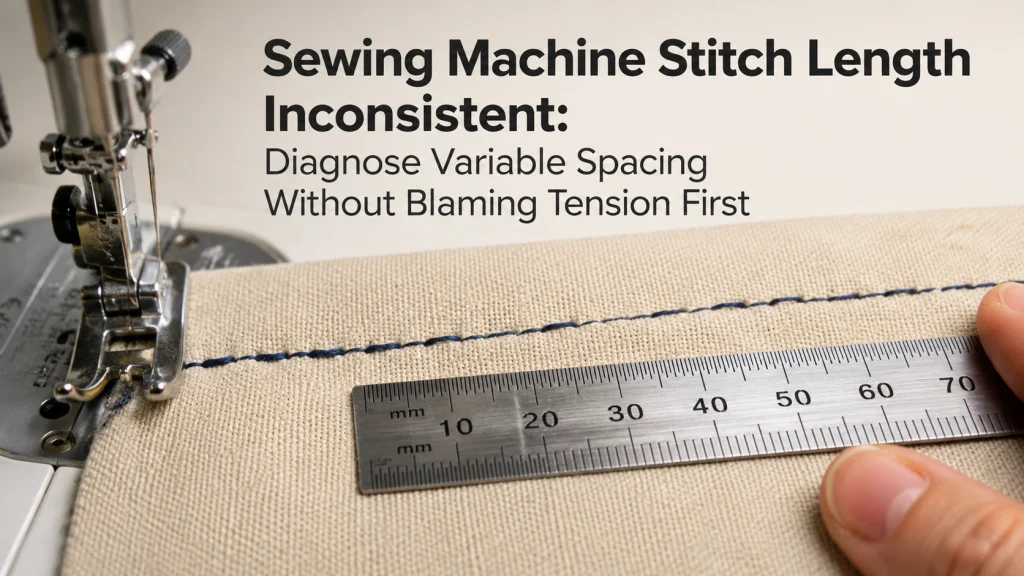
Sewing Machine Stitch Length Inconsistent

When stitch spacing changes within the same sewing run, prove that the distance between needle penetrations is actually changing before adjusting thread tension. A seam can look uneven because of skipped stitches, loops, puckering, or sideways drift even when the physical stitch spacing is regular. The useful diagnostic path is to measure the seam, retest
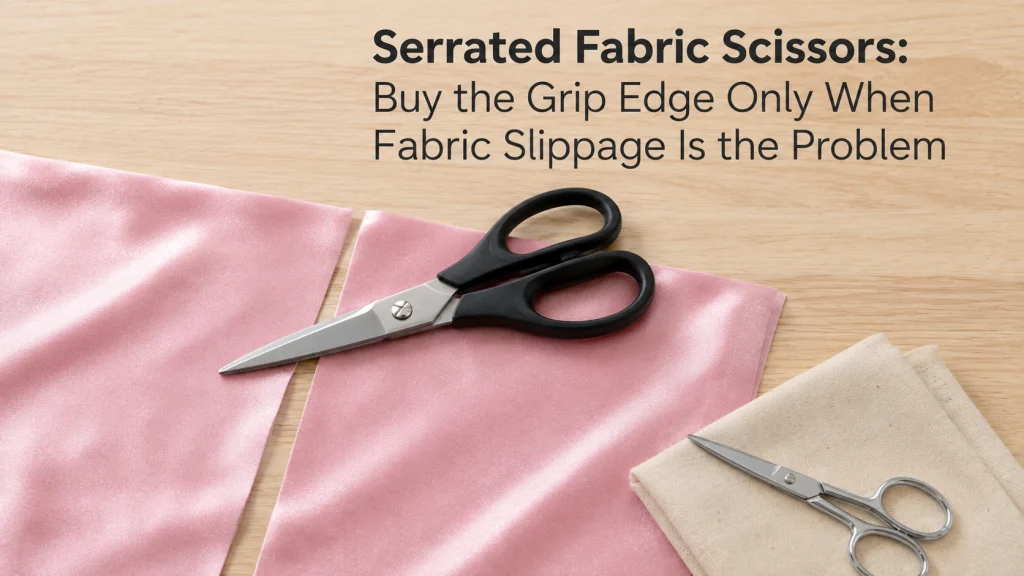
Serrated Fabric Scissors: Buy the Grip Edge Only When Fabric Slippage Is the Problem

Serrated Fabric Scissors

Serrated fabric scissors make sense when the unresolved cutting problem is fabric slipping away from a smooth edge. The useful feature is grip at the cutting edge, not a decorative zigzag finish and not a promise that every fabric will cut better. Before buying, verify which blade is serrated, how the maker describes the edge,

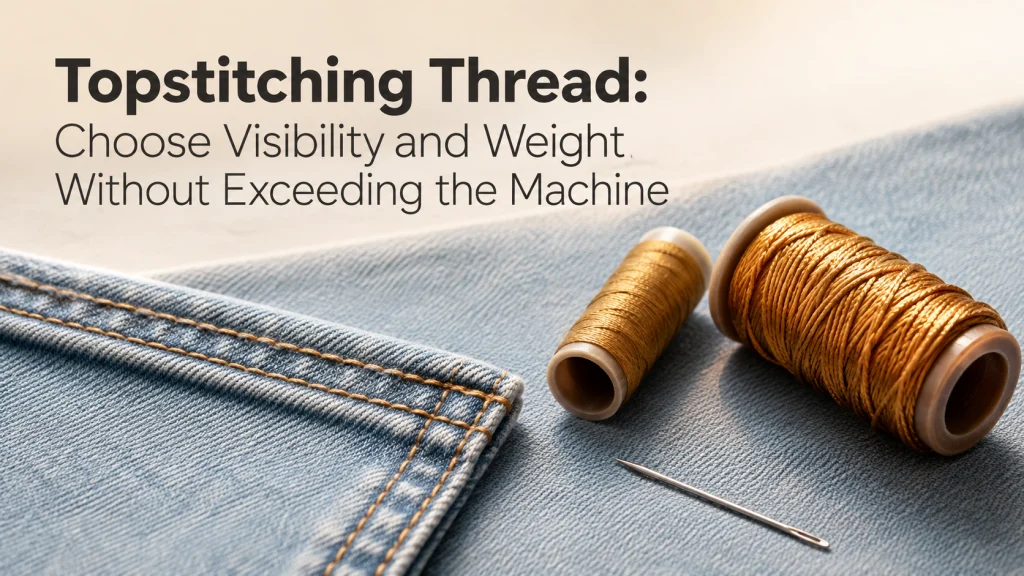
Topstitching Thread: Choose Visibility and Weight Without Exceeding the Machine

Topstitching Thread

Topstitching thread is chosen first for how visible the finished stitch should look, then for fiber, size, finish, and whether the sewing machine supports that thread class. A thicker spool is not automatically a better topstitching choice, and a heavy-duty or bonded thread may cross into a different machine requirement entirely. Product labels and model

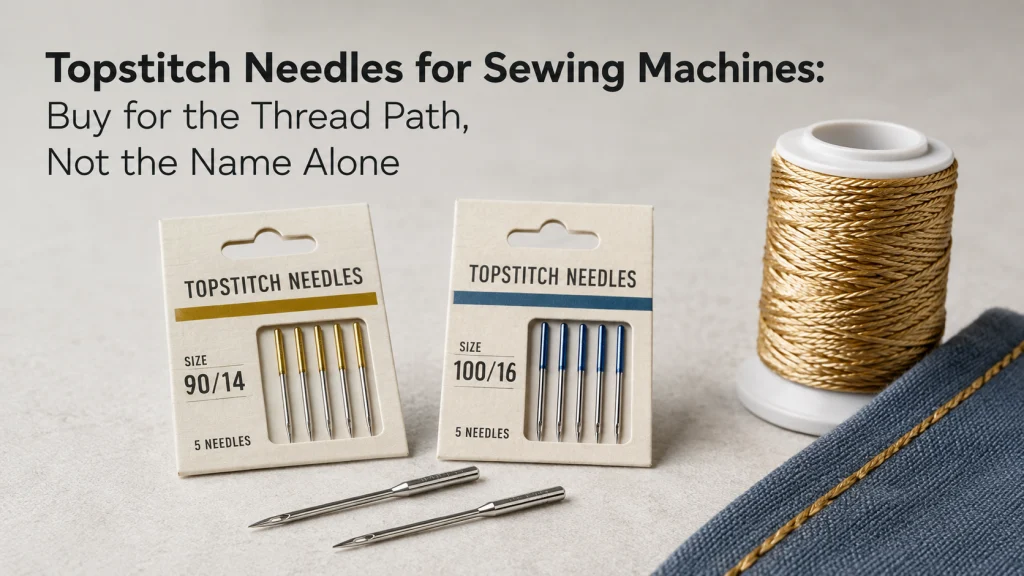
Topstitch Needles for Sewing Machines: Buy for the Thread Path, Not the Name Alone

Topstitch Needles For Sewing Machines

When I consider Topstitch needles for sewing machines, I start with the thread path rather than the product name. A documented Topstitch design uses a longer eye and a larger groove to give thicker, multiple, or specialty upper threads more room as they pass through the needle, while the exact needle system and size still

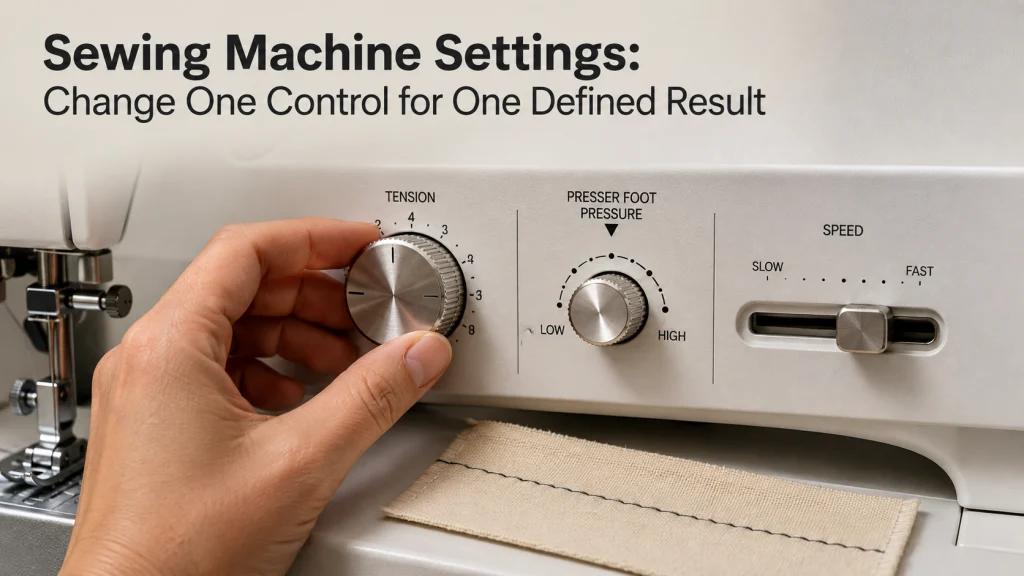
Sewing Machine Settings: Change One Control for One Defined Result

Sewing Machine Settings

Sewing machine settings are easier to use when each control is tied to one defined result instead of treated as part of a universal chart. On a functioning domestic machine, upper thread tension changes thread balance, presser-foot pressure changes how firmly fabric is held against the feed system, a speed control can limit sewing speed,

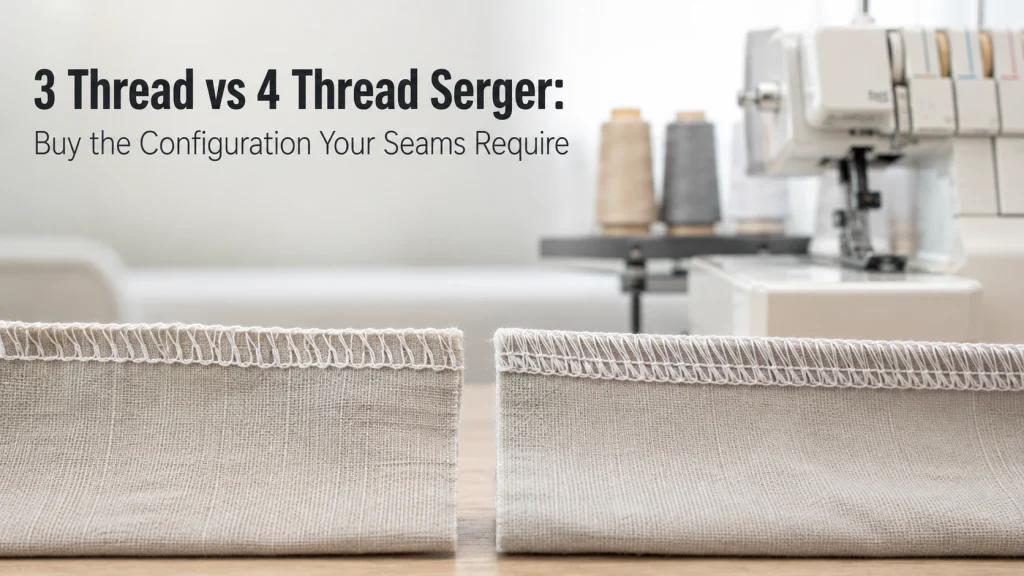
3-Thread vs 4-Thread Serger: Buy the Configuration Your Seams Require

3 Thread Vs 4 Thread Serger

A three-thread-only serger can be a sensible buy when the planned work is mainly edge finishing, but it can become an avoidable limitation when the projects call for a four-thread overlock configuration. Thread count is not a quality grade, and a four-thread label does not by itself prove better fabric handling, easier threading, or better

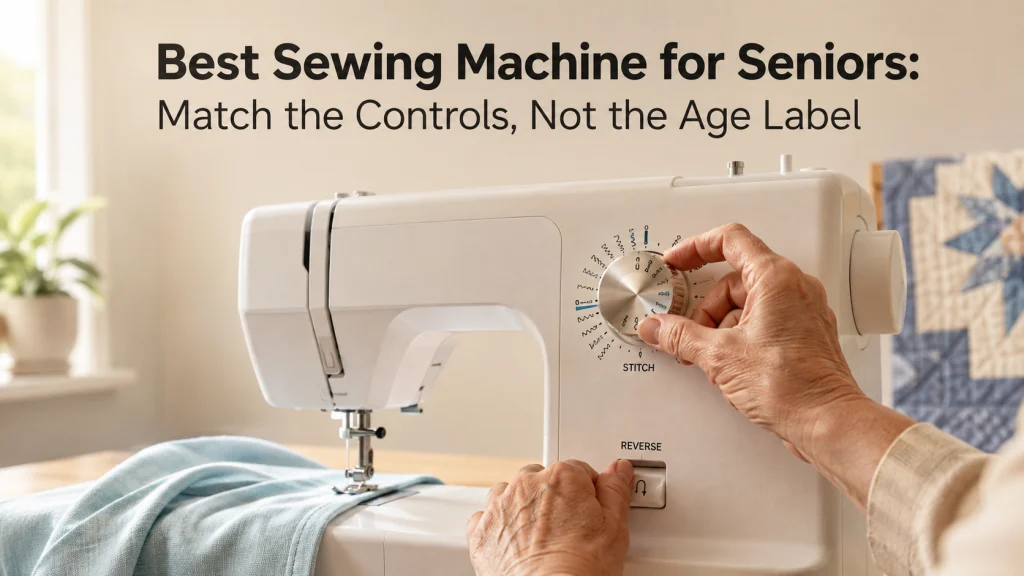
Best Sewing Machine for Seniors: Match the Controls, Not the Age Label

Best Sewing Machine For Seniors

The best sewing machine for seniors is not a machine chosen from an age label. It is a domestic machine whose controls, threading path, bobbin access, lighting, pedal or button operation, handling weight, and support route match the person who will actually use it. Two older sewists can reasonably prefer opposite interfaces, especially when one

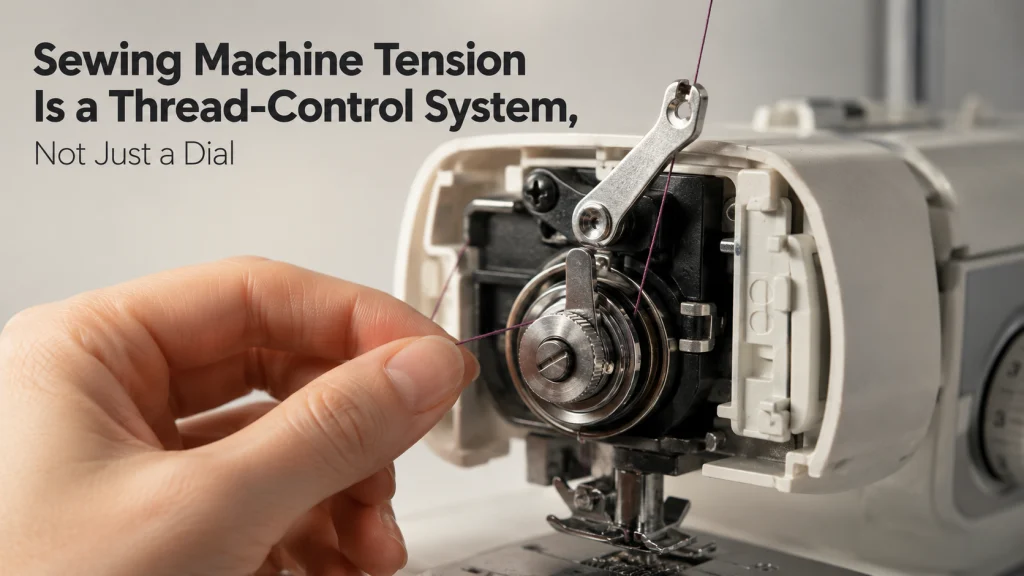
Sewing Machine Tension Is a Thread-Control System, Not Just a Dial

How Does Sewing Machine Tension Work

Sewing machine tension is a system for controlling thread resistance and temporary slack, not simply a number on a dial. On a typical domestic lockstitch machine, the upper thread passes through guides, tension discs and the take-up system, while the lower thread meets its own controlled resistance at the bobbin area. The presser-foot position can

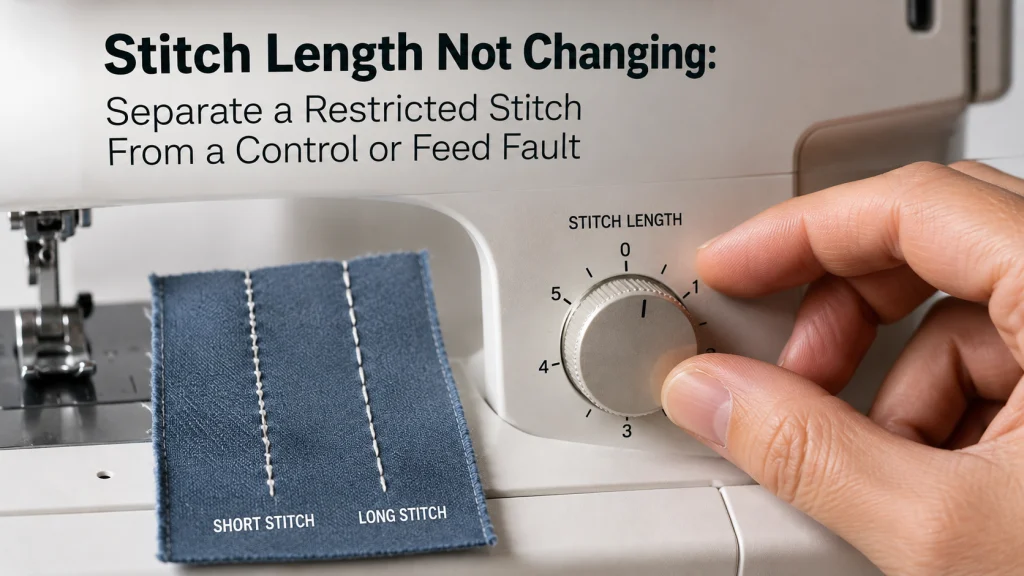
Stitch Length Not Changing: Separate a Restricted Stitch From a Control or Feed Fault

Stitch Length Not Changing

An unresponsive stitch-length control can mean two different failures: the selected stitch or control will not accept a new length, or the displayed setting changes but the sewn spacing does not respond as expected. Start by recording the exact stitch and current setting, then confirm whether that stitch is editable on the exact machine before

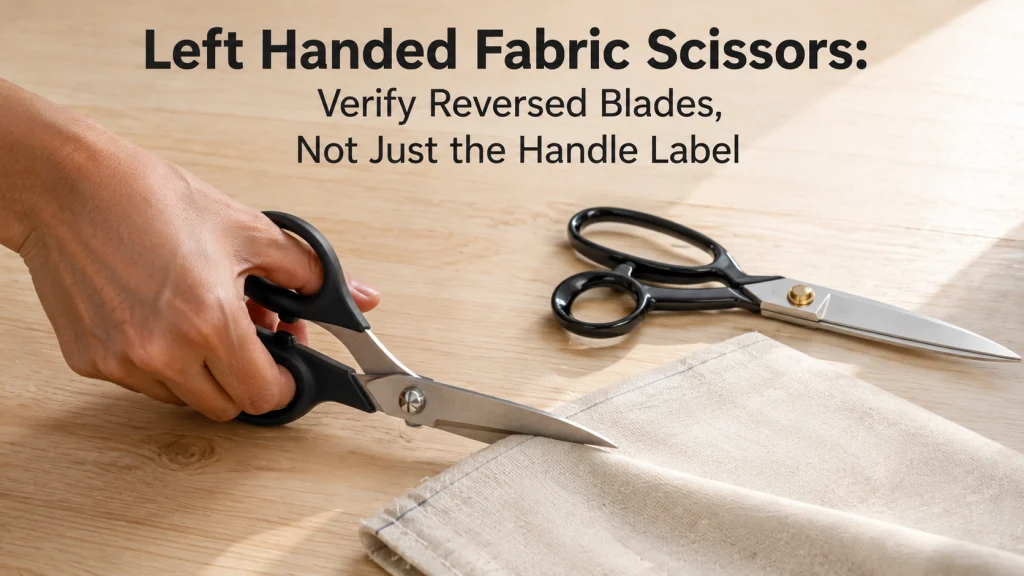
Left Handed Fabric Scissors: Verify Reversed Blades, Not Just the Handle Label

Left Handed Fabric Scissors

Left handed fabric scissors are not all built the same way. A handle that accepts the left hand does not automatically mean the blades are reversed, and that difference changes what the product can legitimately claim about left-handed cutting geometry. Before buying, verify the blade arrangement, handle shape, size, and stated fabric-cutting role on the

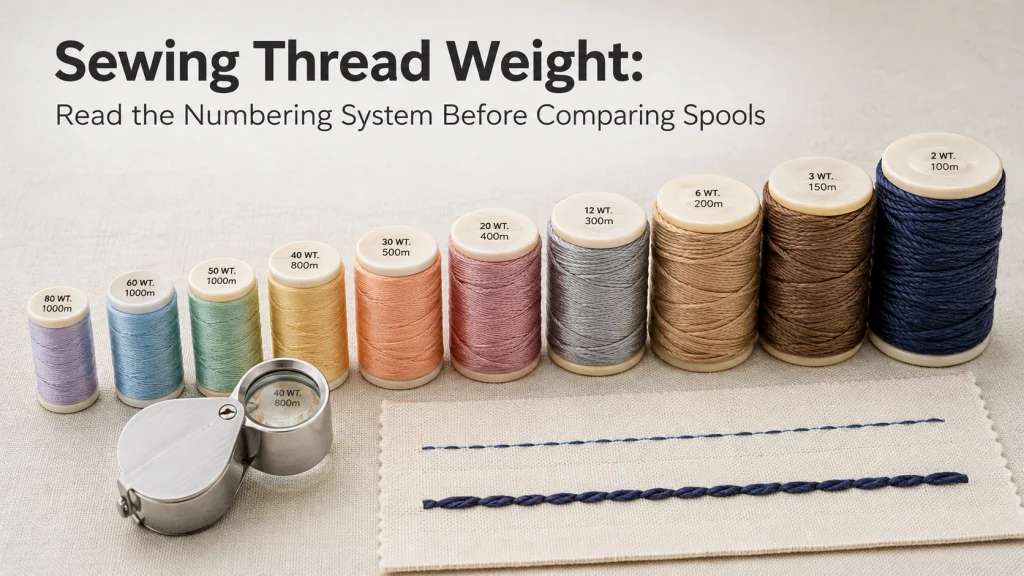
Sewing Thread Weight: Read the Numbering System Before Comparing Spools

Sewing Thread Weight

Thread-size labels are useful only after you know which numbering system they belong to. A 40 wt label, No. 40 label, and Tex 40 label do not describe thread size in the same way, even though the printed number is identical. The practical comparison is to identify the system, note fiber and ply construction, then

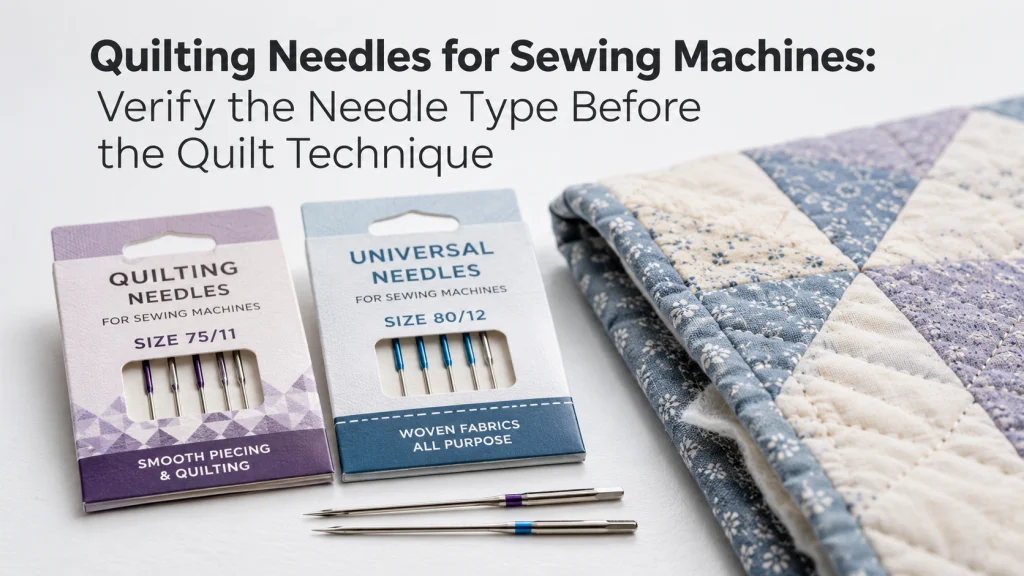
Quilting Needles for Sewing Machines: Verify the Needle Type Before the Quilt Technique

Quilting Needles For Sewing Machines

Choosing quilting needles for sewing machines starts with compatibility, not the project word on the package. A dedicated Quilting needle can be a sensible candidate, but the word Quilting does not prove that it will fit the machine or outperform every other needle family. The useful decision starts with the machine’s permitted needle system, then

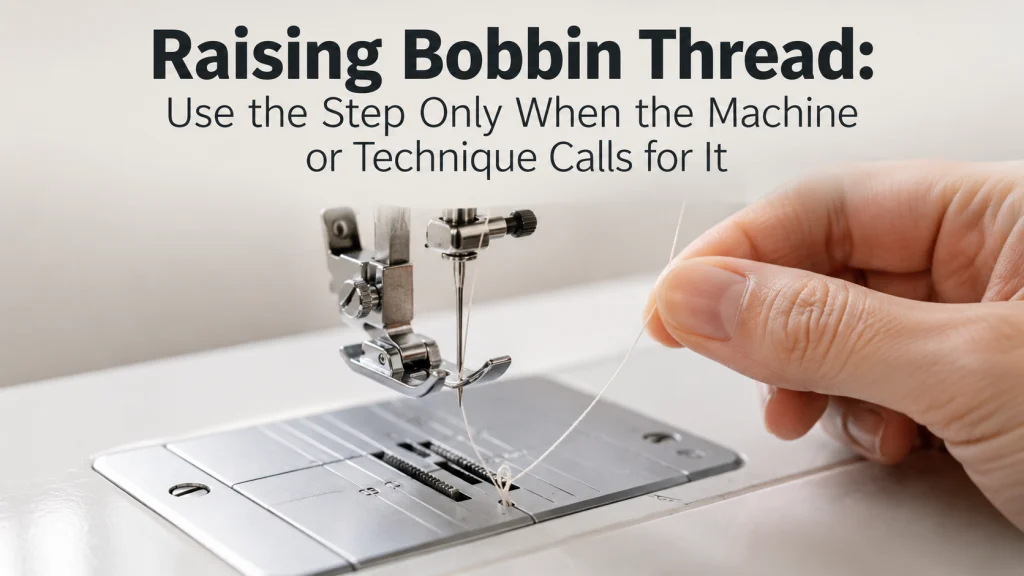
Raising Bobbin Thread: Use the Step Only When the Machine or Technique Calls for It

Raising Bobbin Thread

Raising bobbin thread is required on some machines and for some techniques, while some quick-set bobbin systems allow ordinary sewing to start without it. Check the exact machine instructions and task before touching the handwheel or needle-position control. If the step applies, the sequence is small: control the upper thread, complete the specified needle cycle,

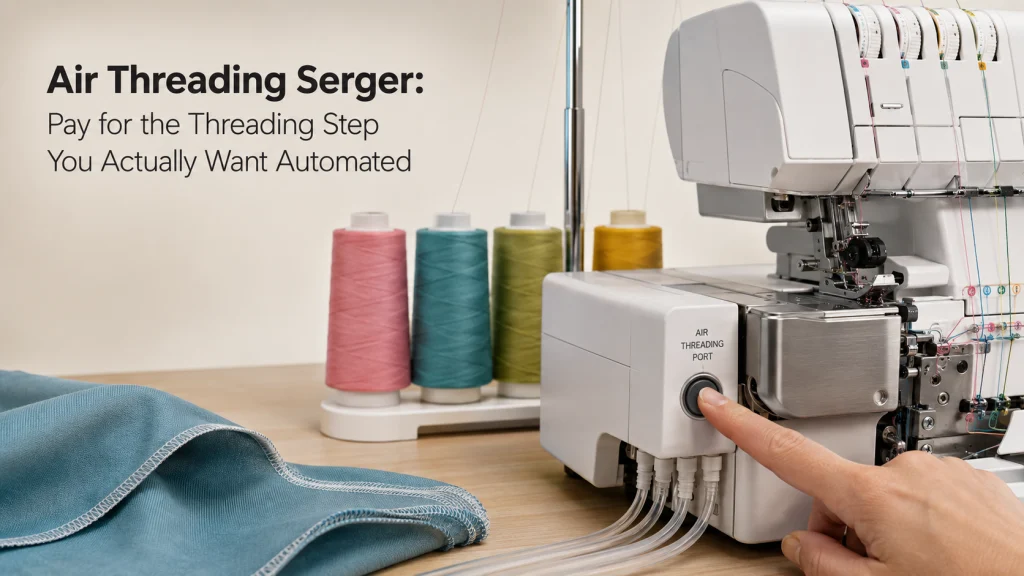
Air Threading Serger: Pay for the Threading Step You Actually Want Automated

Air Threading Serger

When I compare air-threading sergers, I separate the feature name from the actual threading work it removes. Current Brother and JUKI materials show different controls for loopers, needles, and tension, so the useful buying test is to map each job before comparing price. The value also depends on how often you rethread, change colors, or

Intermediate Sewing Machine: Upgrade the Bottleneck, Not the Skill Label

Intermediate Sewing Machine

An intermediate sewing machine should solve a repeatable limitation in the machine you already use, not simply add more stitches, a higher price, or a more advanced label. Start by documenting the exact task that keeps failing or slowing you down, then separate machine capability from setup, accessories, maintenance, service, project demands, and specialist-system needs.

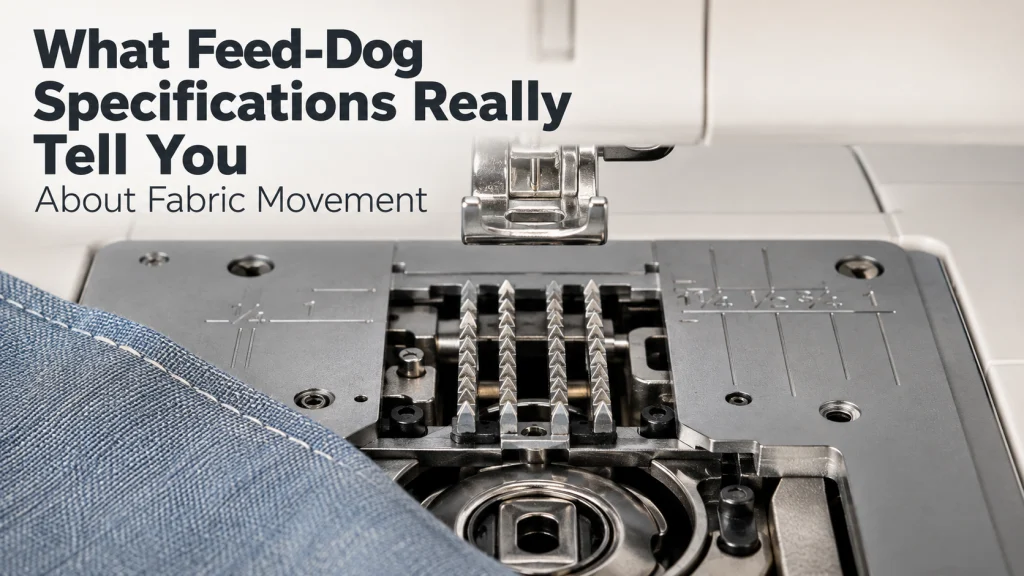
What Feed-Dog Specifications Really Tell You About Fabric Movement

Sewing Machine Feed Dogs

Sewing machine feed dogs are the toothed parts below the presser foot that advance fabric during ordinary machine feeding, but their job makes sense only when they are viewed as part of a timed system. In a common domestic drop-feed arrangement, the feed dogs rise, contact the fabric, travel through the feed stroke, then drop