Top-Loading vs Front-Loading Bobbin: Separate Access From Hook Design
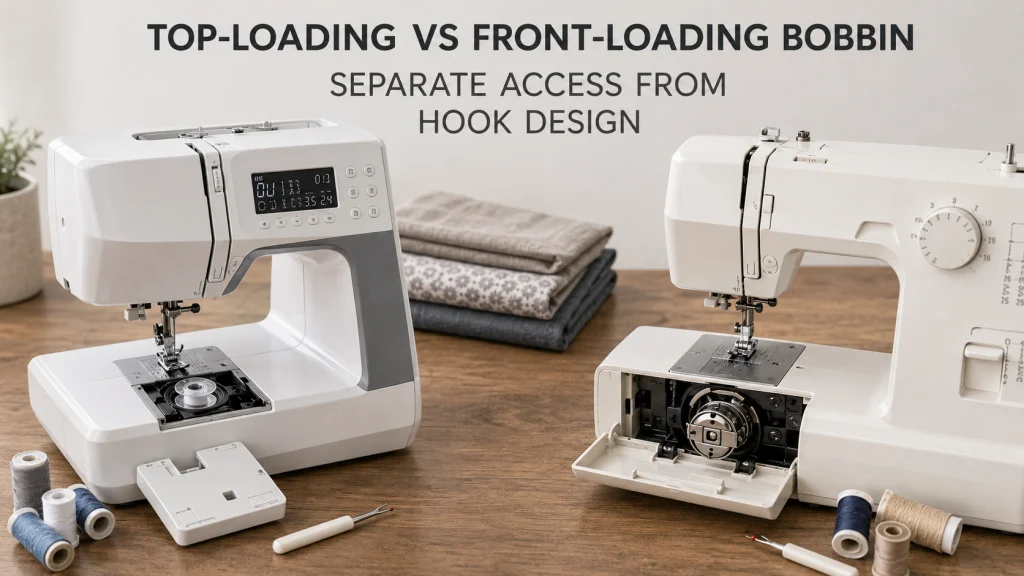
Top Loading Vs Front Loading Bobbin

A top-loading or front-loading label mainly tells you where you access the bobbin, not how the hook moves or how well the machine will sew. The useful comparison is physical: access path, bobbin orientation, case or holder arrangement, cover visibility, and what the exact manufacturer documentation says about the hook system. Those details can affect
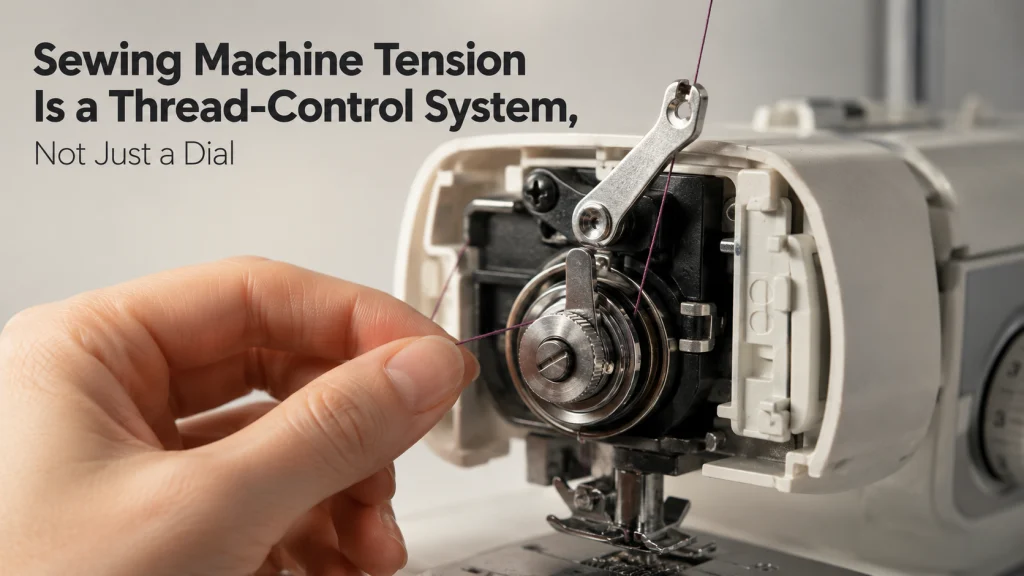
Sewing Machine Tension Is a Thread-Control System, Not Just a Dial

How Does Sewing Machine Tension Work

Sewing machine tension is a system for controlling thread resistance and temporary slack, not simply a number on a dial. On a typical domestic lockstitch machine, the upper thread passes through guides, tension discs and the take-up system, while the lower thread meets its own controlled resistance at the bobbin area. The presser-foot position can

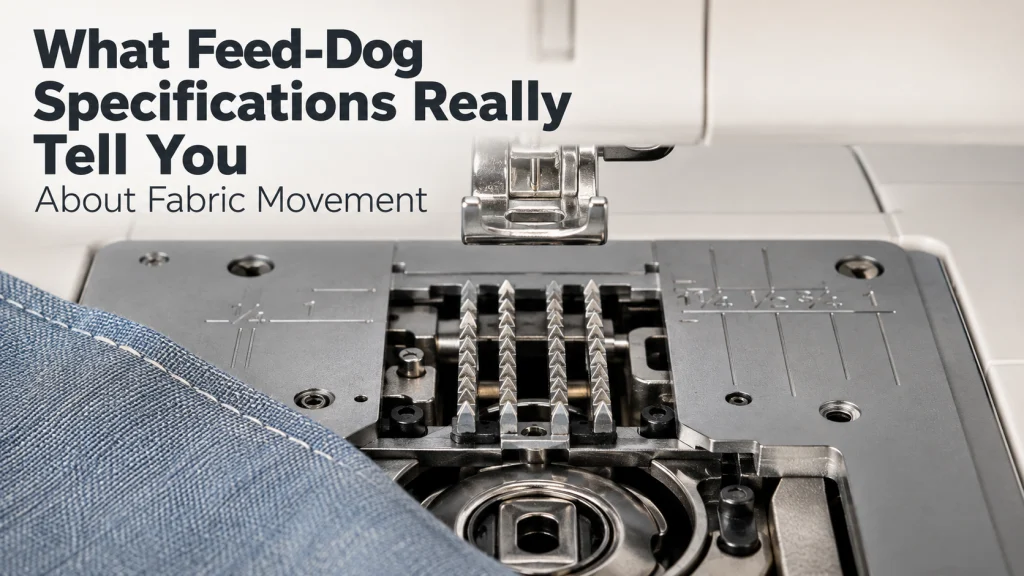
What Feed-Dog Specifications Really Tell You About Fabric Movement

Sewing Machine Feed Dogs

Sewing machine feed dogs are the toothed parts below the presser foot that advance fabric during ordinary machine feeding, but their job makes sense only when they are viewed as part of a timed system. In a common domestic drop-feed arrangement, the feed dogs rise, contact the fabric, travel through the feed stroke, then drop

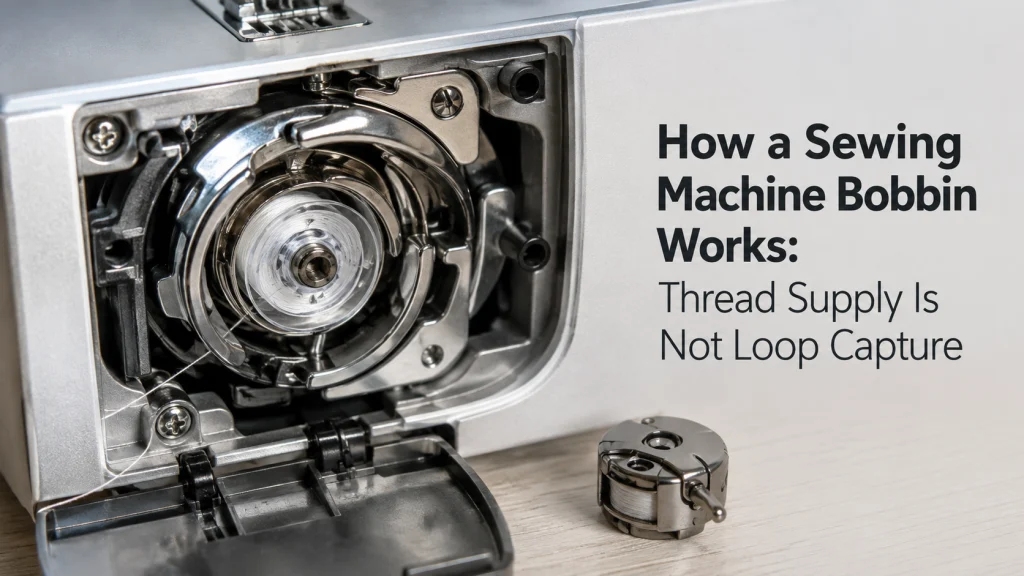
How a Sewing Machine Bobbin Works: Thread Supply Is Not Loop Capture

How A Sewing Machine Bobbin Works

The bobbin is the lower-thread supply in a common domestic lockstitch system, but it is not the part that performs every action below the needle plate. Loop capture belongs to the hook or shuttle, while the case or holder and its thread-control path manage how the lower thread leaves the bobbin. The exact arrangement depends

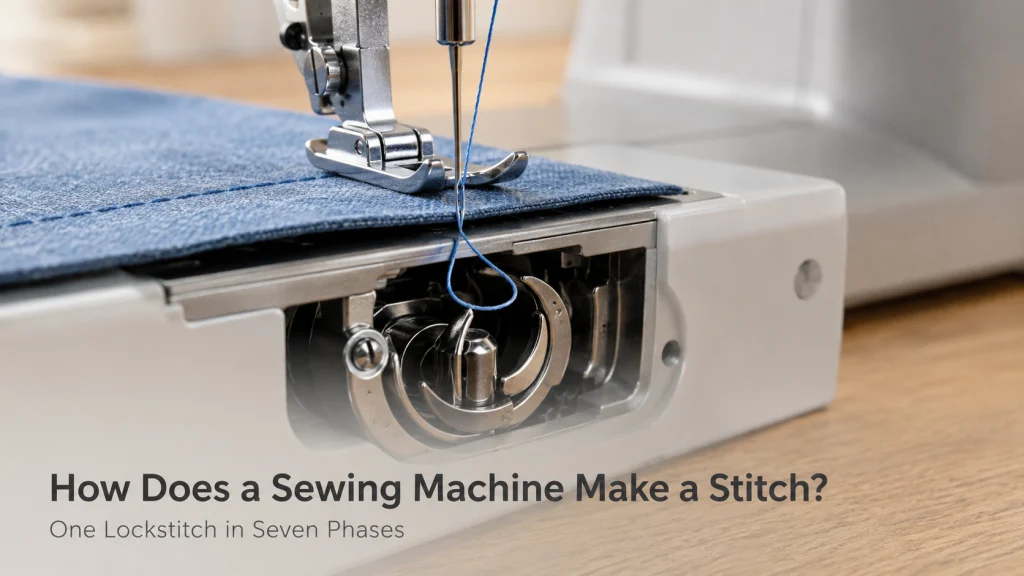
How Does a Sewing Machine Make a Stitch? One Lockstitch in Seven Phases

How Does A Sewing Machine Make A Stitch

A domestic lockstitch is formed by a timed sequence, not by the needle simply grabbing bobbin thread. The needle carries upper thread through the material, a loop forms as the needle begins to rise, the hook or shuttle enters that loop, and the upper thread passes around the lower-thread assembly before take-up removes slack and

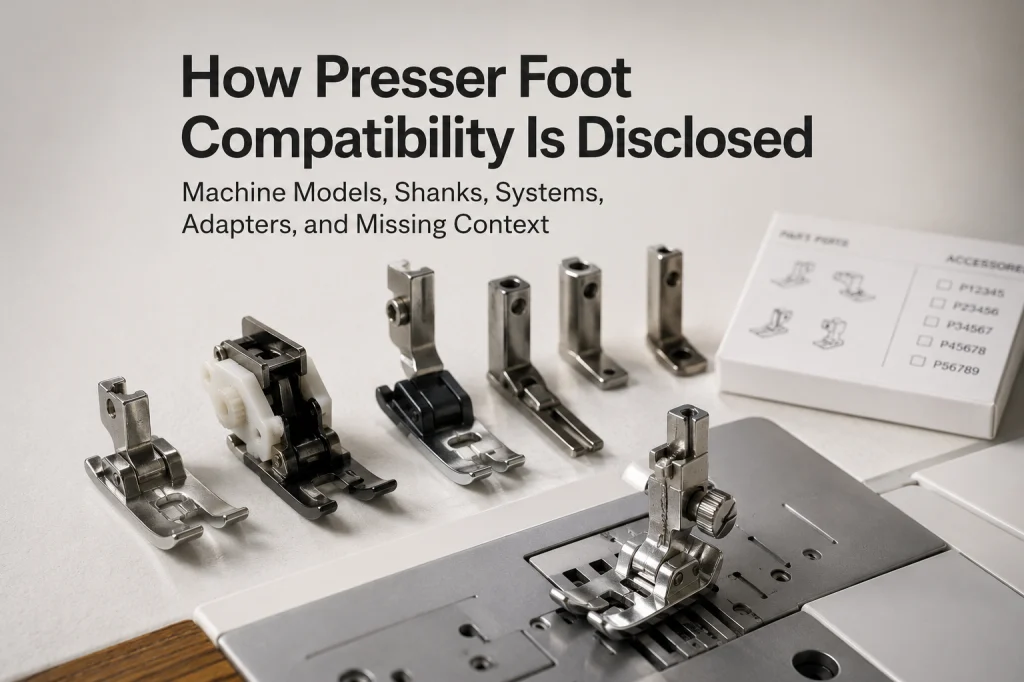
How Presser Foot Compatibility Is Disclosed: Machine Models, Shanks, Systems, Adapters, and Missing Context

How Presser Foot Compatibility Is Disclosed

Presser foot compatibility labels do not all answer the same question. A broad mounting description can identify a useful starting point, while an exact manufacturer part number and model list provide much stronger evidence for a specific machine. This audit compares current official accessory and support pages to show which fields are disclosed, which are