Best Denim Sewing Machine: Test the Jean Seam, Not a Flat Swatch
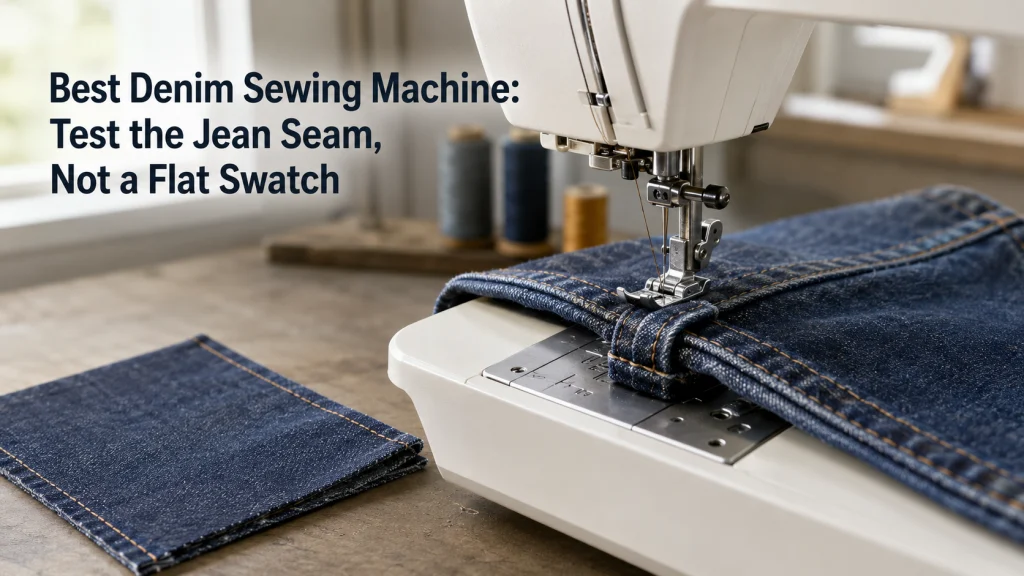
Best Denim Sewing Machine

The best denim sewing machine should be judged against the hardest denim seam you expect to sew repeatedly, not against a flat swatch or a heavy-duty label. Denim weight, stretch content, fold geometry, utility-stitch needs, and workload can change the buying decision. Manufacturer denim claims can narrow the field, but they do not prove an
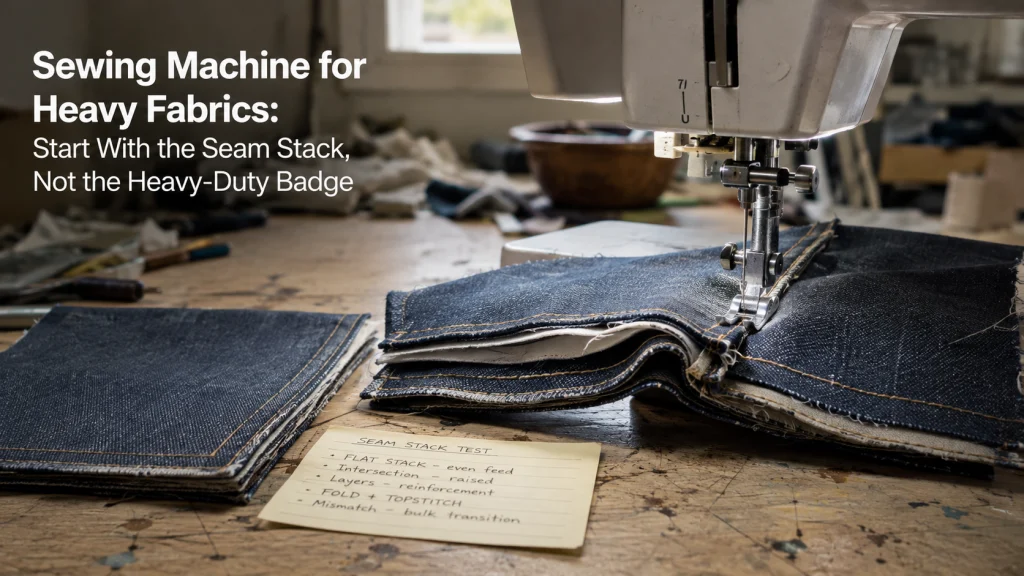
Sewing Machine for Heavy Fabrics: Start With the Seam Stack, Not the Heavy-Duty Badge

Sewing Machine For Heavy Fabrics

A sewing machine for heavy fabrics should be chosen around the hardest material stack you expect to sew repeatedly, not around a heavy-duty label alone. Fabric type matters, but layer count, compressed bulk, seam intersections, reinforcement, feed behavior, and workload can change the demand far more than a single fabric name suggests. Manufacturer specifications can

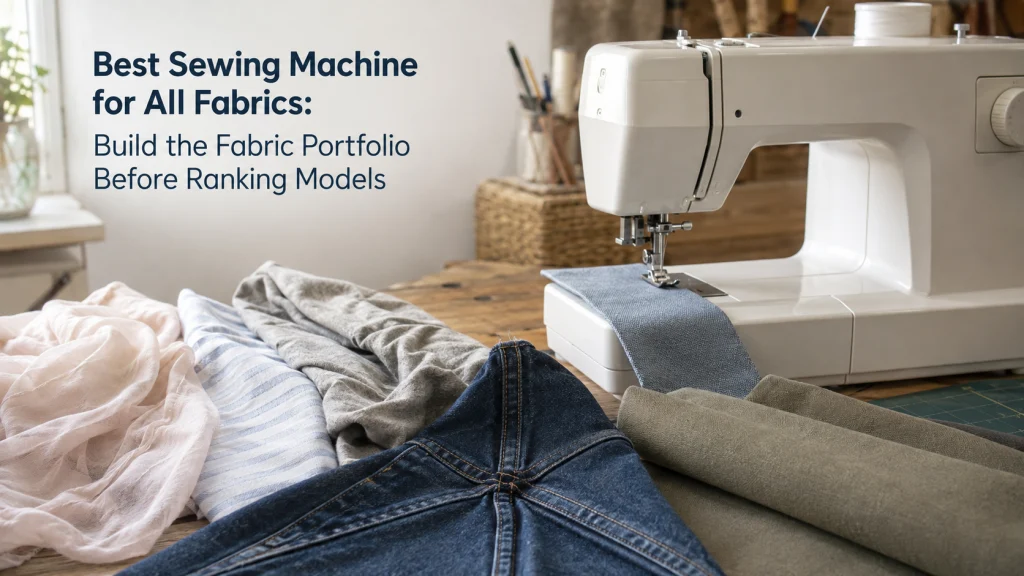
Best Sewing Machine for All Fabrics: Build the Fabric Portfolio Before Ranking Models

Best Sewing Machine For All Fabrics

A sewing machine for all fabrics is only a useful idea when “all” means the fabrics you actually sew, not every material a manufacturer can name. The strongest general-purpose choice is the machine that covers your recurring lightweight fabrics, ordinary wovens, knits, denim, and bulky seam conditions without making the common work awkward. The deciding

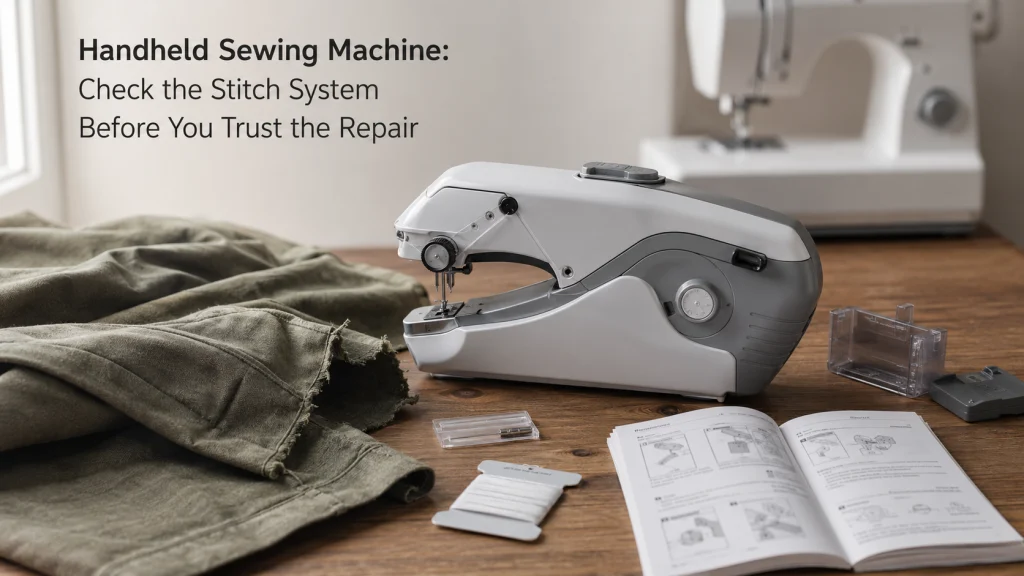
Handheld Sewing Machine: Check the Stitch System Before You Trust the Repair

Handheld Sewing Machine

A handheld sewing machine is not one single tool category. Different models can use different stitch systems, thread paths, power setups, and repair methods, so the right buying question is not whether a handheld machine is convenient. It is whether the exact model can create and secure the type of repair you need. Verify the

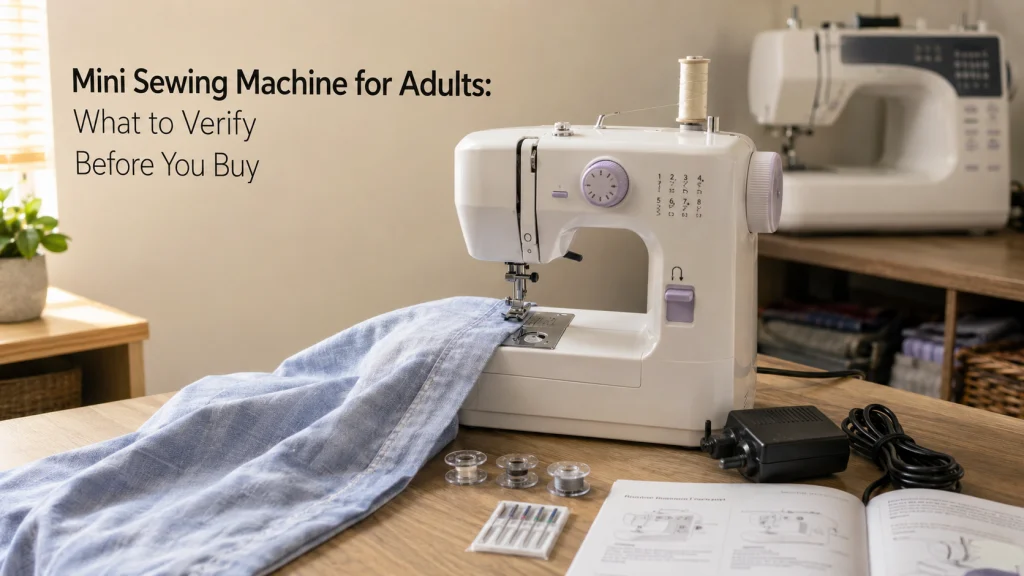
Mini Sewing Machine for Adults: What to Verify Before You Buy

Mini Sewing Machine

A mini sewing machine can make sense for an adult who needs a small tabletop machine for occasional light repairs, but size alone does not tell you whether the machine can form, control, and secure the stitch your task requires. The useful buying test is to identify the exact model, check its stitch system, controls,

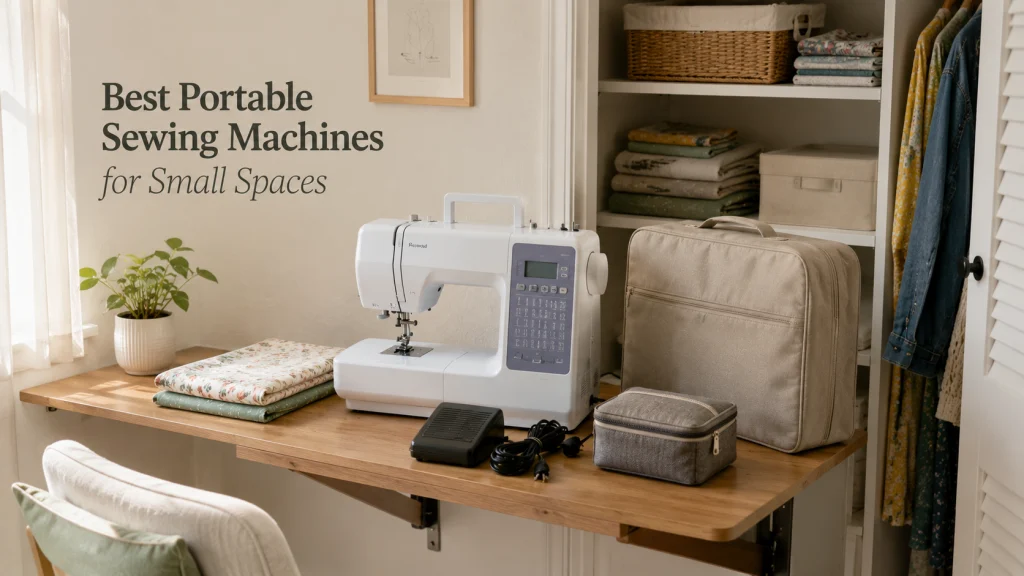
Portable Sewing Machine: Keep the Capability You Need When the Machine Has to Move

Portable Sewing Machine

A portable sewing machine should preserve the domestic sewing functions you actually need while making repeated storage or transport manageable. Weight matters, but so do unit dimensions, pedal and cord burden, required accessories, workspace, free arm, stitch controls, power requirements, documentation, warranty, and the time it takes to set the machine up again. Mini tabletop

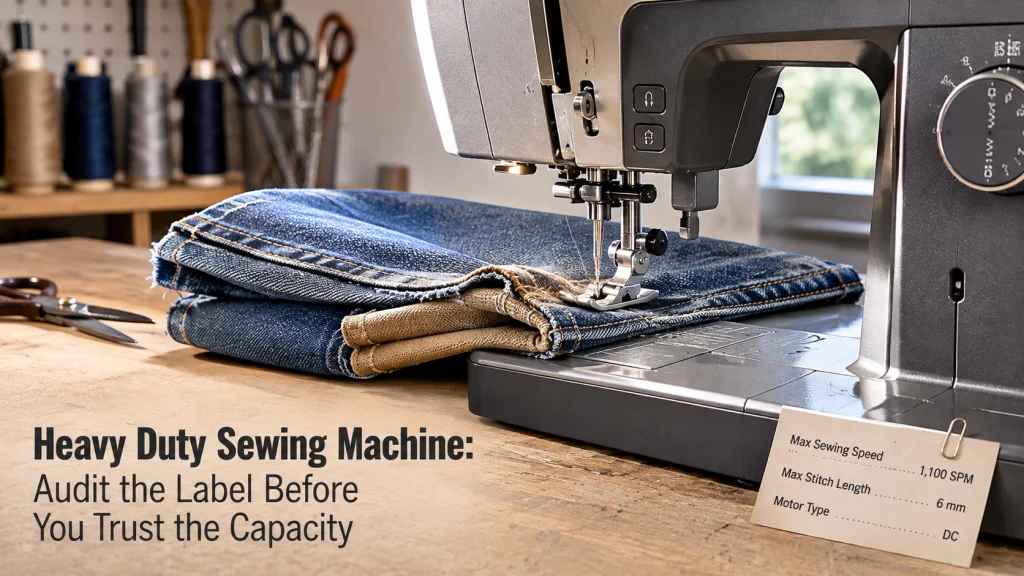
Heavy Duty Sewing Machine: Audit the Label Before You Trust the Capacity

Heavy Duty Sewing Machine

A heavy duty sewing machine label is a bundle of manufacturer claims, not a shared capacity standard. Before comparing motors, metal construction, speed, presser-foot lift, or named materials, define the seam stack you actually need to sew and how often you will sew it. Then separate published specifications from manufacturer performance wording and from behavior

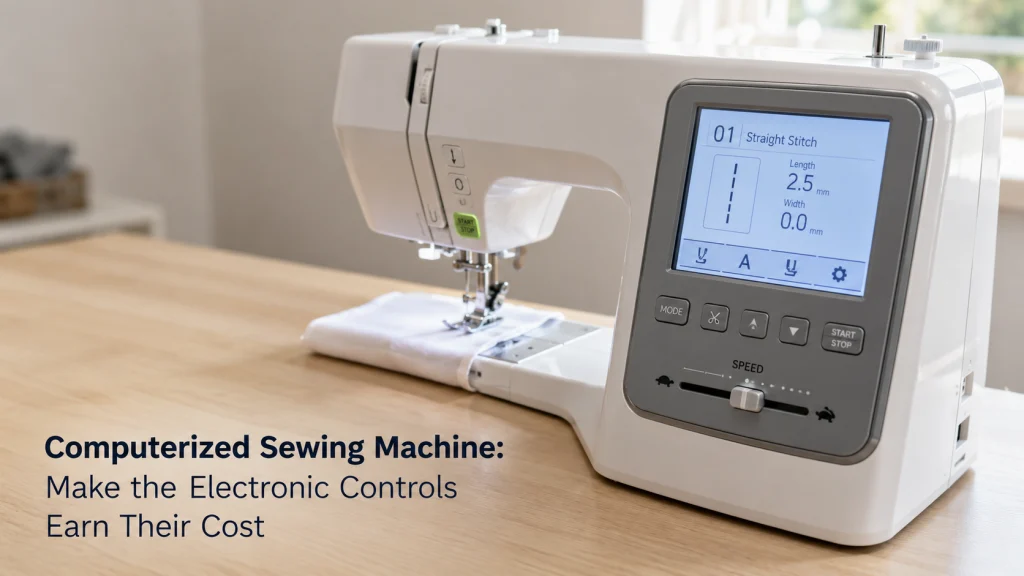
Computerized Sewing Machine: Make the Electronic Controls Earn Their Cost

Computerized Sewing Machine

A computerized sewing machine is worth paying more for only when its electronic controls solve tasks you repeat often. Stitch count and screen size are weak shortcuts because machines with very different totals can still offer a similar set of everyday controls. Compare stitch selection, length and width adjustment, speed limiting, needle stop position, Start/Stop

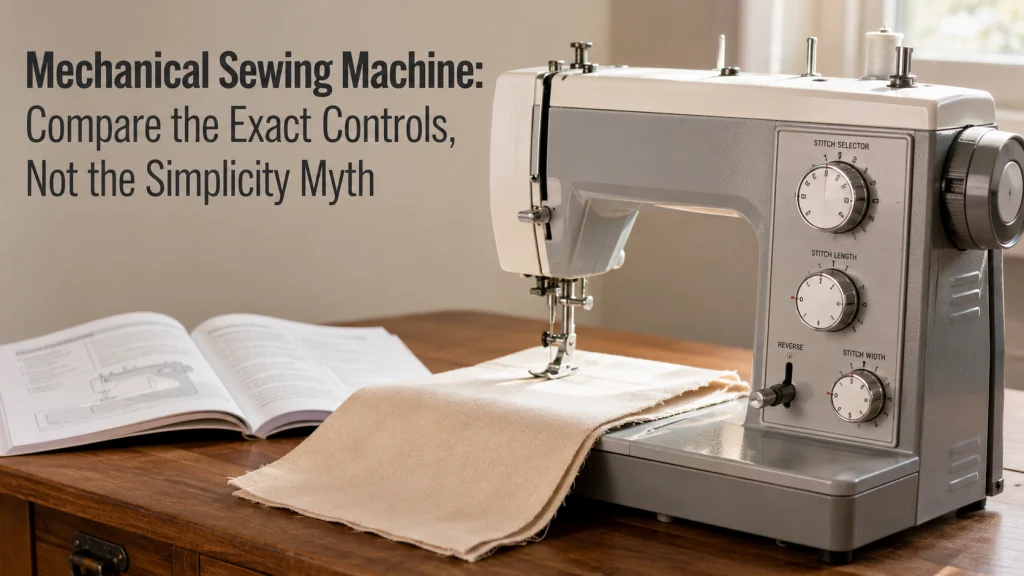
Mechanical Sewing Machine: Compare the Exact Controls, Not the Simplicity Myth

Mechanical Sewing Machine

A mechanical sewing machine gives you direct physical controls, but that label does not tell you how many useful adjustments, feed controls, buttonhole steps, or support options a specific model provides. The practical way to choose is to write down the controls you actually need, verify them against the exact current model page and manual,

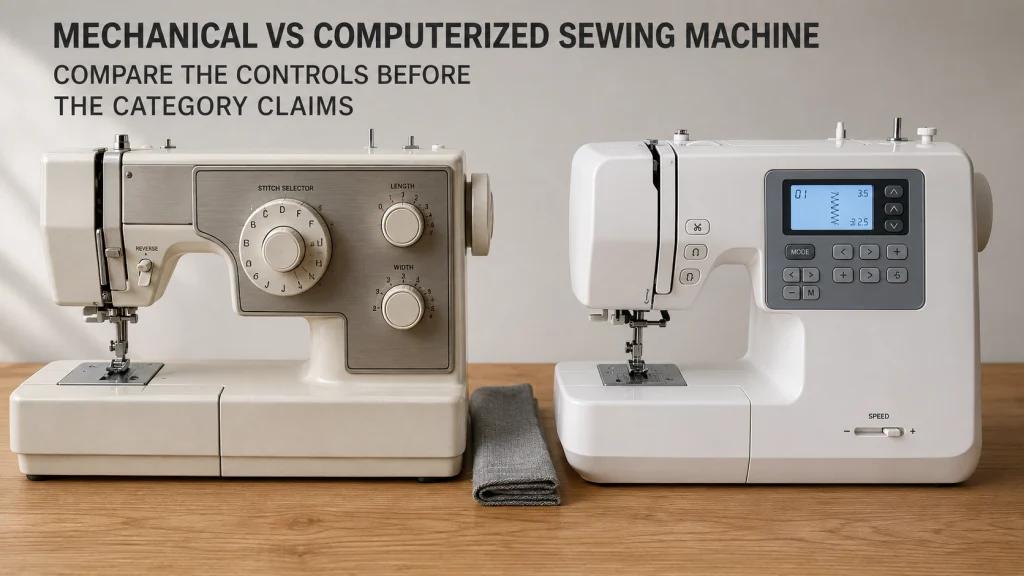
Mechanical vs Computerized Sewing Machine: Compare the Controls Before the Category Claims

Mechanical Vs Computerized Sewing Machine

A mechanical machine can include conveniences that buyers often assume belong only to computerized models, while a computerized machine can omit controls that another computerized model provides. The useful comparison is therefore not “simple versus advanced,” but whether each exact machine gives you the stitch controls, speed behavior, buttonhole workflow, needle functions, documentation, and support

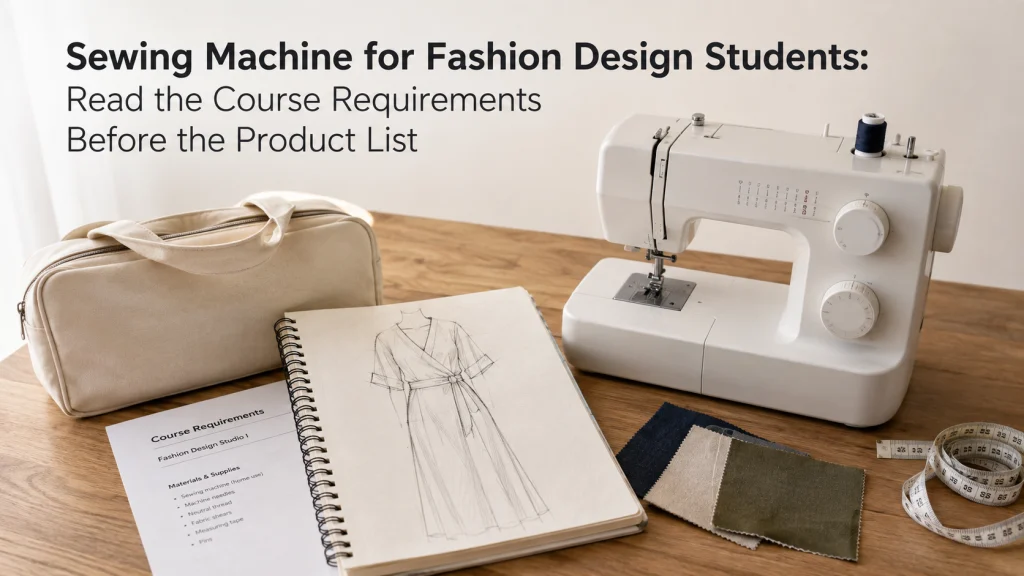
Sewing Machine for Fashion Design Students: Read the Course Requirements Before the Product List

Sewing Machine For Fashion Design Students

When I look at a sewing machine for fashion design students, I start with the course requirements rather than a generic product ranking. The key questions are whether the program requires personal ownership, which stitches and feet are mandatory, what equipment the school already provides, and how quickly the student can recover from a machine

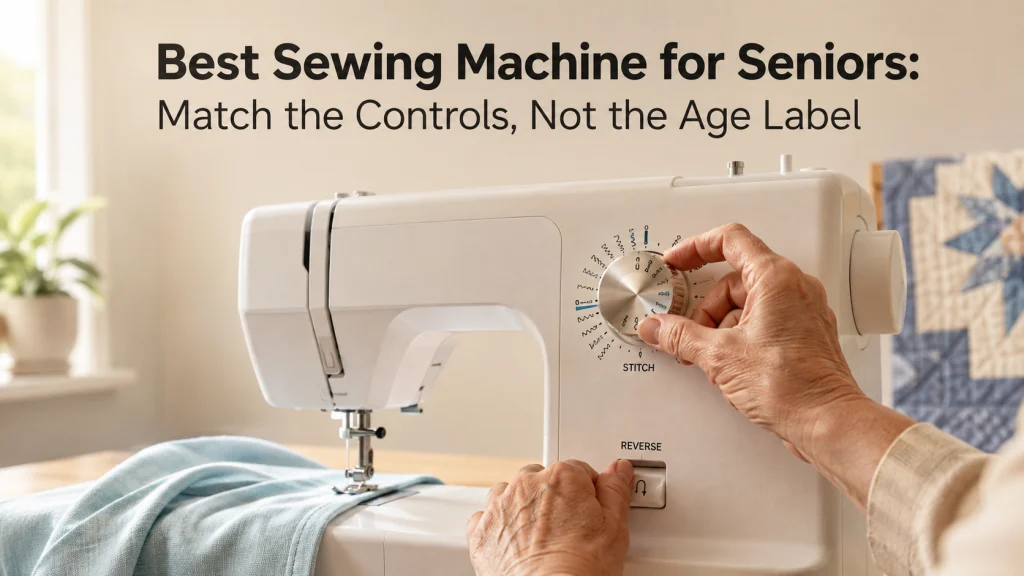
Best Sewing Machine for Seniors: Match the Controls, Not the Age Label

Best Sewing Machine For Seniors

The best sewing machine for seniors is not a machine chosen from an age label. It is a domestic machine whose controls, threading path, bobbin access, lighting, pedal or button operation, handling weight, and support route match the person who will actually use it. Two older sewists can reasonably prefer opposite interfaces, especially when one

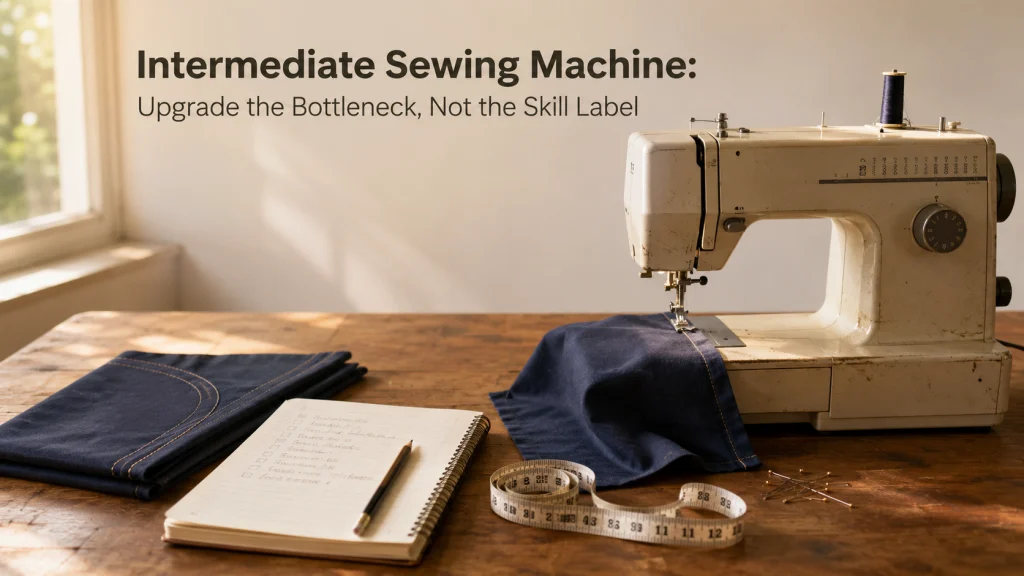
Intermediate Sewing Machine: Upgrade the Bottleneck, Not the Skill Label

Intermediate Sewing Machine

An intermediate sewing machine should solve a repeatable limitation in the machine you already use, not simply add more stitches, a higher price, or a more advanced label. Start by documenting the exact task that keeps failing or slowing you down, then separate machine capability from setup, accessories, maintenance, service, project demands, and specialist-system needs.

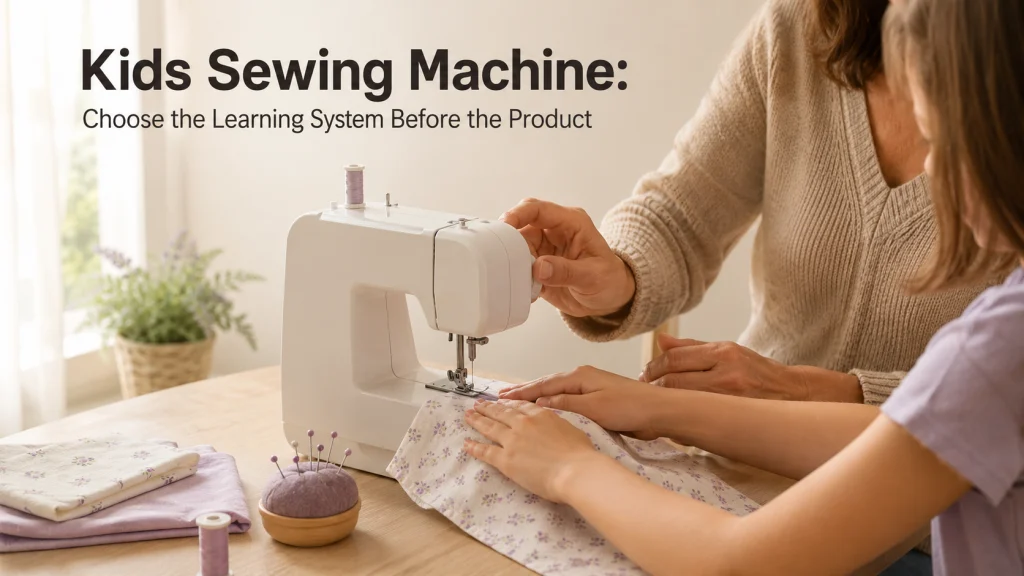
Kids Sewing Machine: Choose the Learning System Before the Product

Kids Sewing Machine

A kids sewing machine can mean an enclosed craft system, a reduced mini threaded machine, or a normal domestic machine used with adult supervision. Choose first by the intended learning outcome, then verify the exact manual, needle-area design, start method, speed behavior, consumables, warnings, and adult role. Small size, a guard, battery power, or child-focused

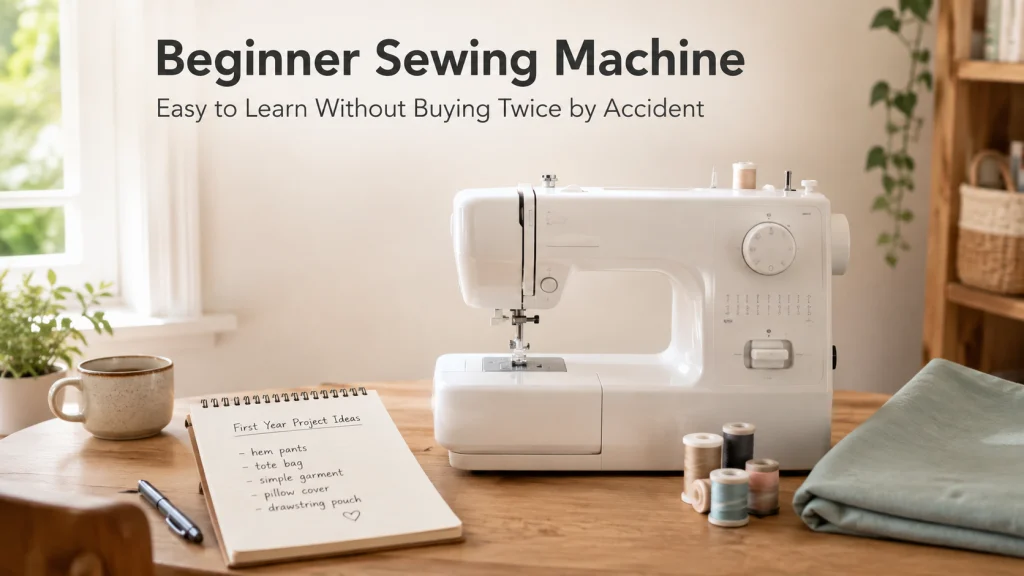
Beginner Sewing Machine: Easy to Learn Without Buying Twice by Accident

Beginner Sewing Machine

A beginner sewing machine should be chosen around the work you expect to do in the first year, not around the lowest price or longest stitch list. Start with a small project set, check the controls and support those projects need, then record the first likely limitation of each finalist. A simple machine can be

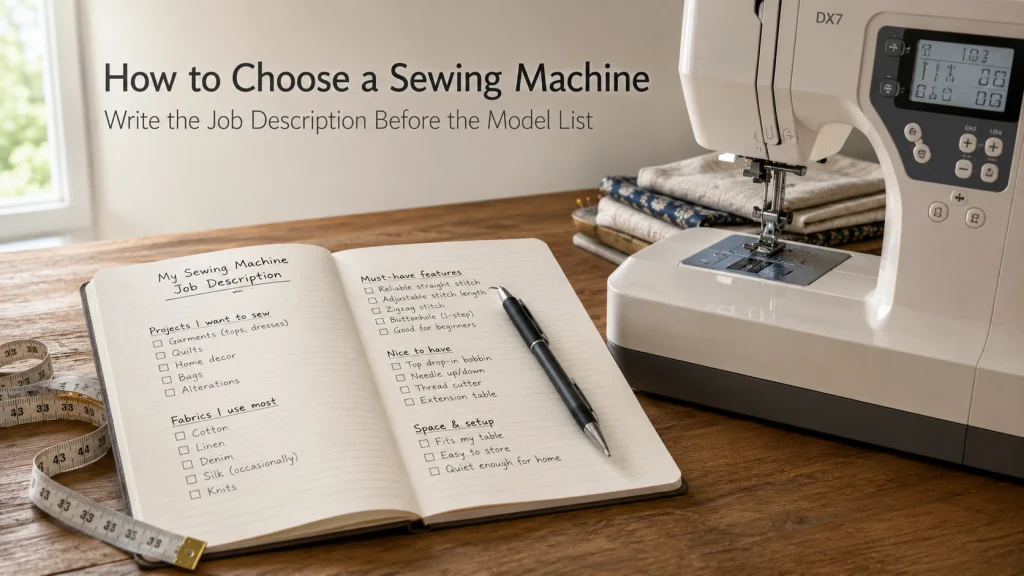
How to Choose a Sewing Machine: Write the Job Description Before the Model List

How To Choose A Sewing Machine

Choosing a general-purpose domestic sewing machine gets easier when the machine has a written job description before any model enters the shortlist. The useful brief records what the machine must do, who will operate and move it, which controls are non-negotiable, what support is available, and which claims still need verification. A feature can be