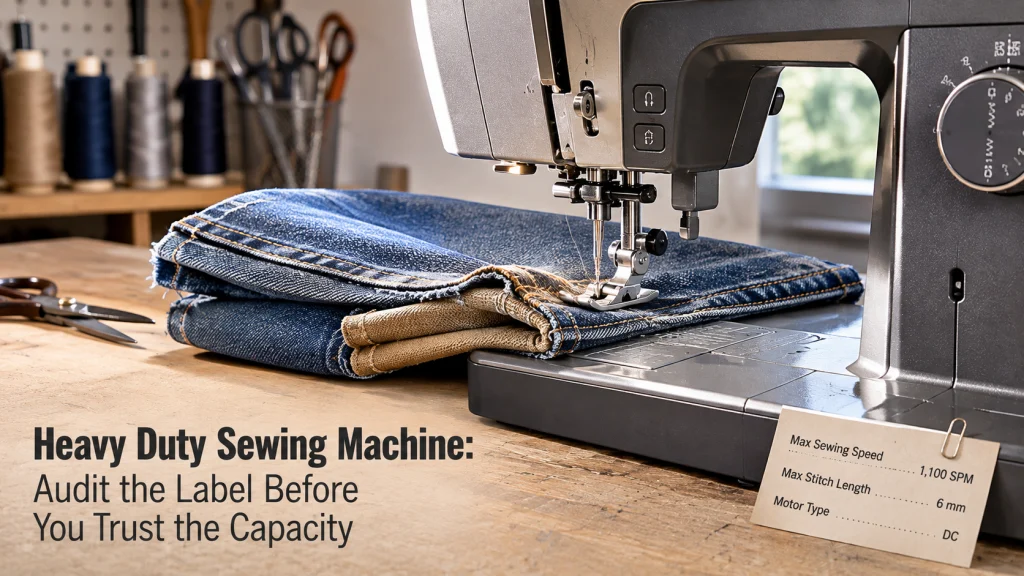
Heavy Duty Sewing Machine: Audit the Label Before You Trust the Capacity
Heavy Duty Sewing Machine

A heavy duty sewing machine label is a bundle of manufacturer claims, not a shared capacity standard. Before comparing motors, metal construction, speed, presser-foot lift, or named materials, define the seam stack you actually need to sew and how often you will sew it. Then separate published specifications from manufacturer performance wording and from behavior
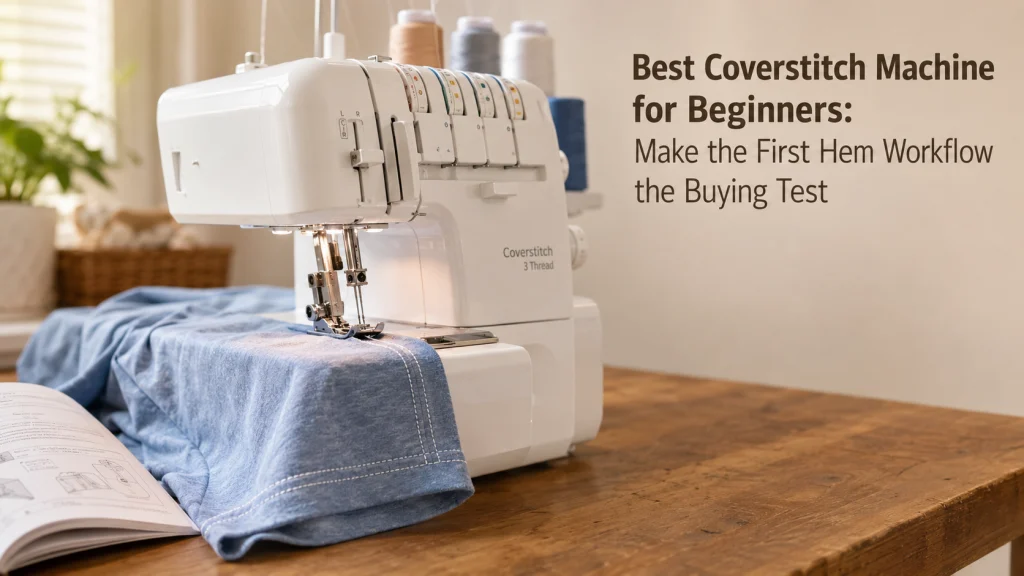
Best Coverstitch Machine for Beginners: Make the First Hem Workflow the Buying Test

Best Coverstitch Machine For Beginners

The best coverstitch machine for beginners is not automatically the least expensive or the one with the fewest controls. A better first purchase is the machine whose threading, stitch selection, fabric release, documentation, workspace, and service path fit the garment jobs you expect to repeat. Before comparing candidates, decide whether you actually need dedicated coverstitch

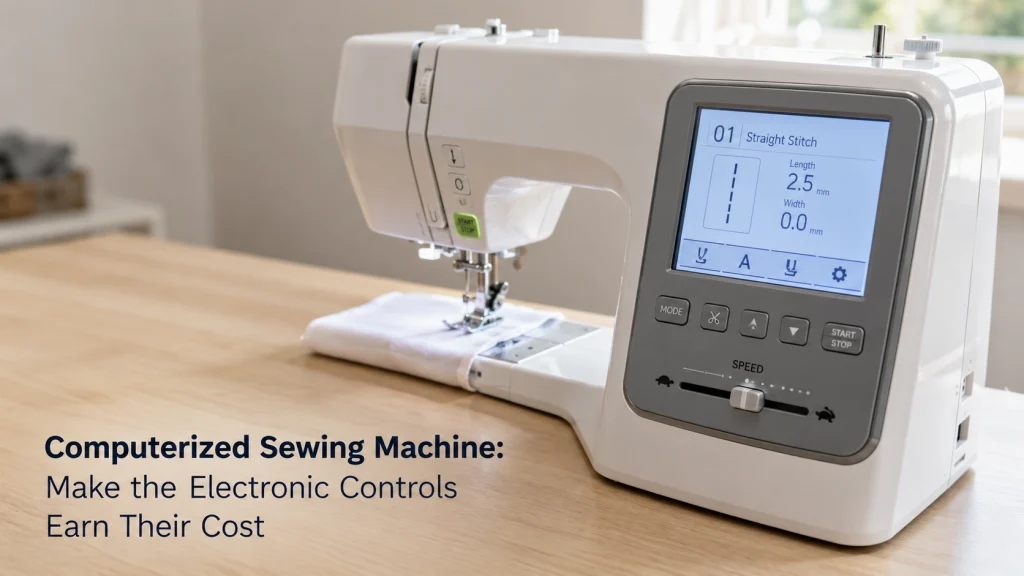
Computerized Sewing Machine: Make the Electronic Controls Earn Their Cost

Computerized Sewing Machine

A computerized sewing machine is worth paying more for only when its electronic controls solve tasks you repeat often. Stitch count and screen size are weak shortcuts because machines with very different totals can still offer a similar set of everyday controls. Compare stitch selection, length and width adjustment, speed limiting, needle stop position, Start/Stop

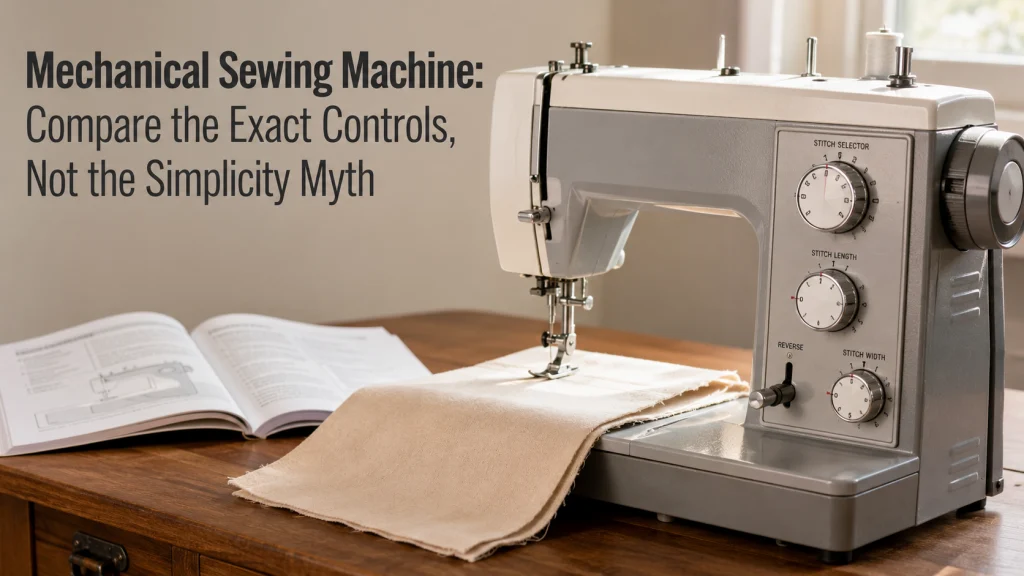
Mechanical Sewing Machine: Compare the Exact Controls, Not the Simplicity Myth

Mechanical Sewing Machine

A mechanical sewing machine gives you direct physical controls, but that label does not tell you how many useful adjustments, feed controls, buttonhole steps, or support options a specific model provides. The practical way to choose is to write down the controls you actually need, verify them against the exact current model page and manual,

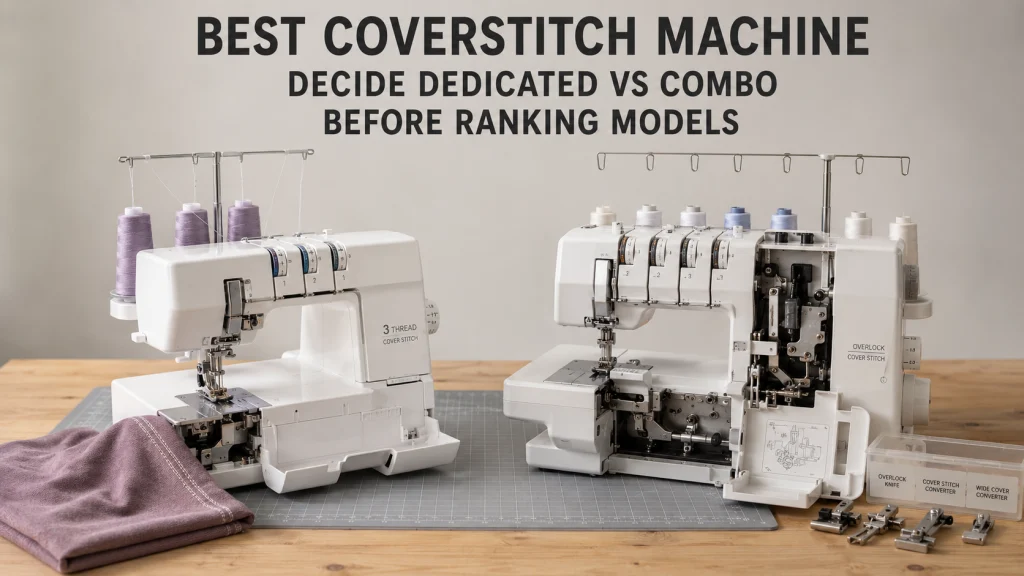
Best Coverstitch Machine: Decide Dedicated vs Combo Before Ranking Models

Best Coverstitch Machine

The best coverstitch machine matches a recurring operation and an ownership format you can live with, not simply the longest feature list. A dedicated system can stay ready for coverstitch work, while a combination overlock and coverstitch system trades that readiness for a smaller machine footprint. The right choice depends on required stitches, switching frequency,

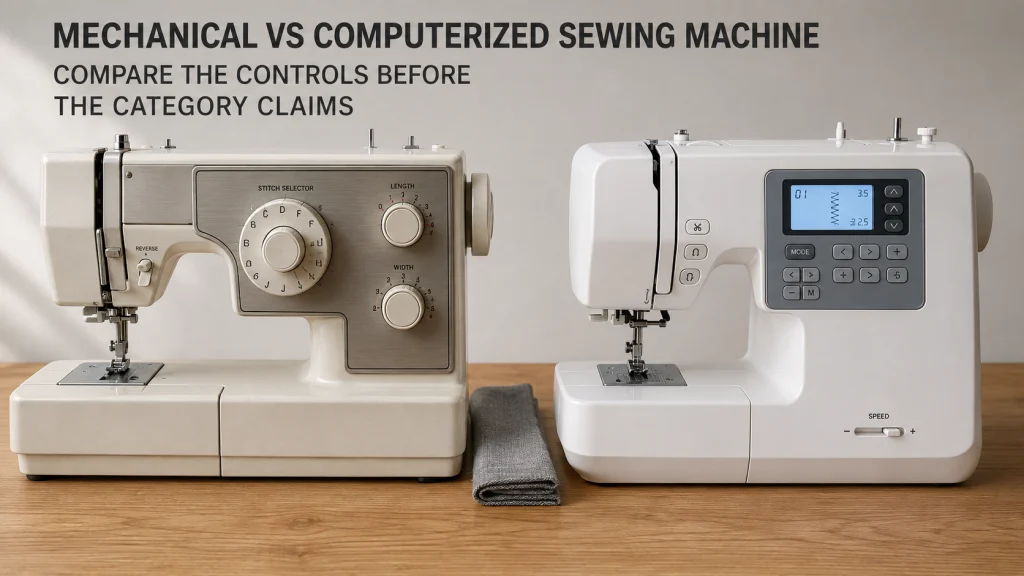
Mechanical vs Computerized Sewing Machine: Compare the Controls Before the Category Claims

Mechanical Vs Computerized Sewing Machine

A mechanical machine can include conveniences that buyers often assume belong only to computerized models, while a computerized machine can omit controls that another computerized model provides. The useful comparison is therefore not “simple versus advanced,” but whether each exact machine gives you the stitch controls, speed behavior, buttonhole workflow, needle functions, documentation, and support

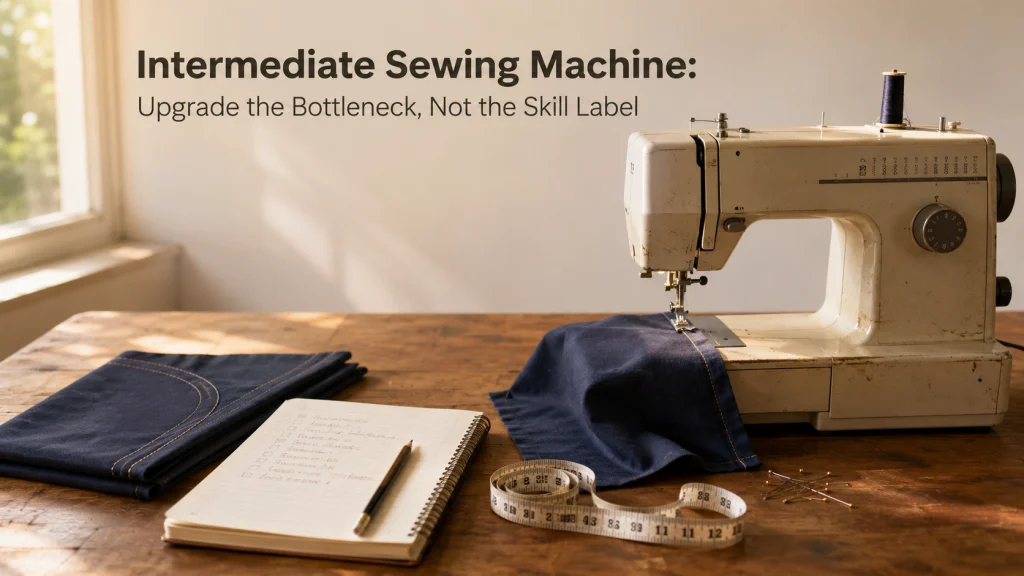
Intermediate Sewing Machine: Upgrade the Bottleneck, Not the Skill Label

Intermediate Sewing Machine

An intermediate sewing machine should solve a repeatable limitation in the machine you already use, not simply add more stitches, a higher price, or a more advanced label. Start by documenting the exact task that keeps failing or slowing you down, then separate machine capability from setup, accessories, maintenance, service, project demands, and specialist-system needs.

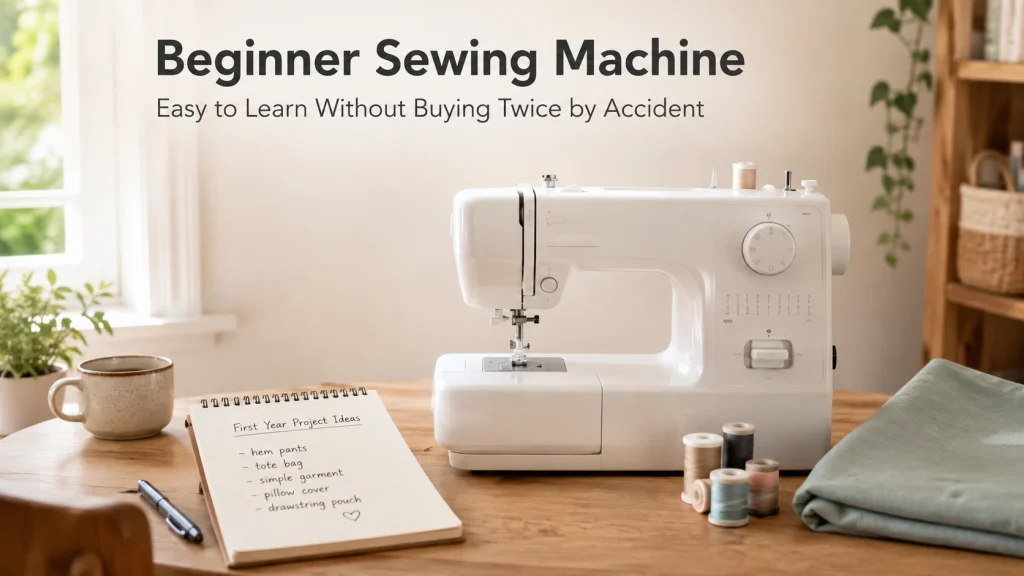
Beginner Sewing Machine: Easy to Learn Without Buying Twice by Accident

Beginner Sewing Machine

A beginner sewing machine should be chosen around the work you expect to do in the first year, not around the lowest price or longest stitch list. Start with a small project set, check the controls and support those projects need, then record the first likely limitation of each finalist. A simple machine can be

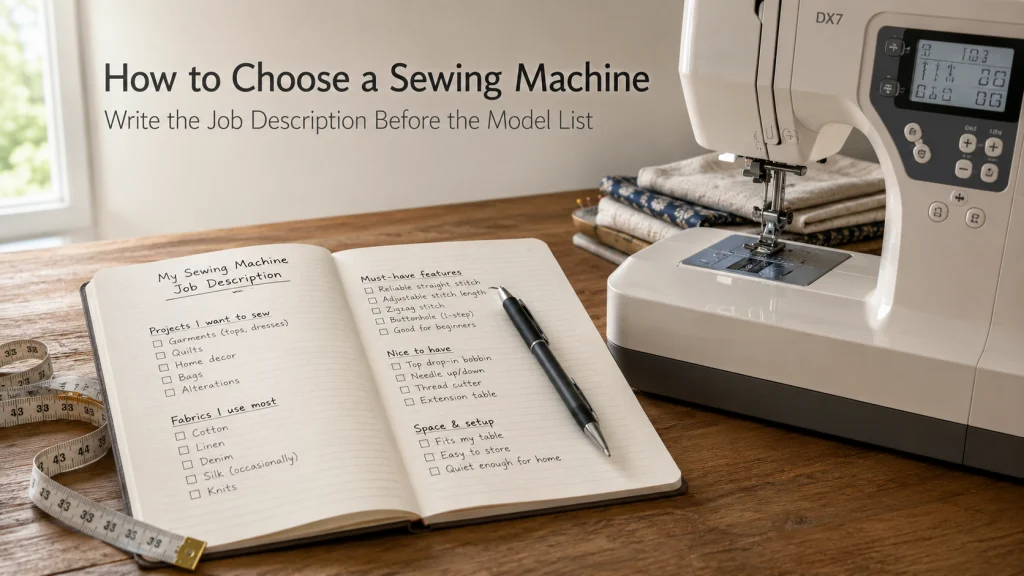
How to Choose a Sewing Machine: Write the Job Description Before the Model List

How To Choose A Sewing Machine

Choosing a general-purpose domestic sewing machine gets easier when the machine has a written job description before any model enters the shortlist. The useful brief records what the machine must do, who will operate and move it, which controls are non-negotiable, what support is available, and which claims still need verification. A feature can be