1-Step vs 4-Step Buttonhole: Compare Control Before Convenience
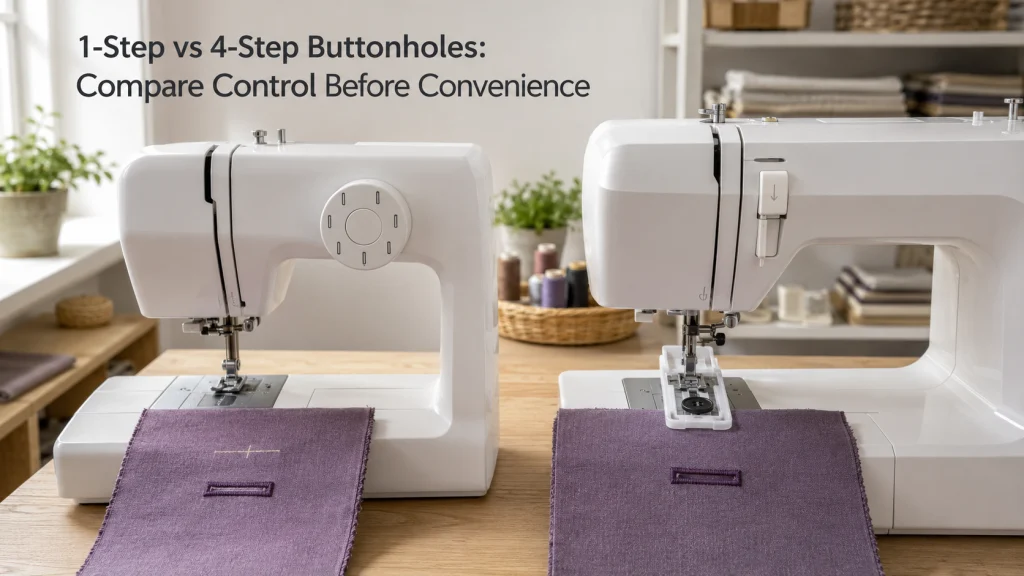
1 Step Vs 4 Step Buttonhole

A 1-step buttonhole and a 4-step buttonhole can produce the same basic feature while assigning different parts of the sequence to the machine and the operator. The useful pre-purchase questions are who advances the stages, how the buttonhole length is established, which foot the exact model requires, and whether that foot is actually included. A
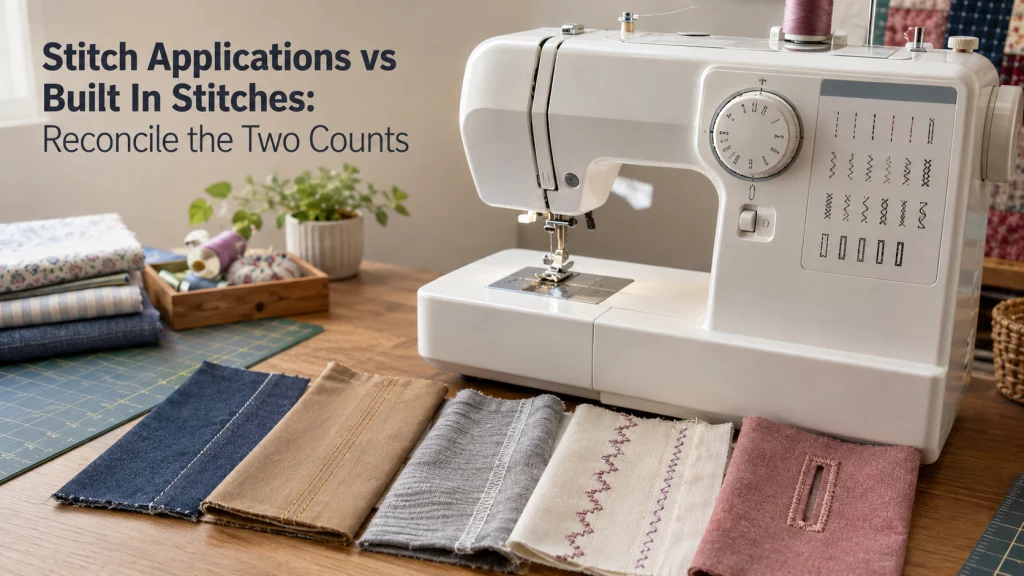
Stitch Applications vs Built In Stitches: Reconcile the Two Counts

Stitch Applications Vs Built In Stitches

A sewing machine can publish a large stitch-application number and a much smaller built-in-stitch number without either figure being a typo. The two counts may measure different things, so the useful comparison is not the largest number on the feature sheet but what the manufacturer says each number includes. By tracing the product page, stitch

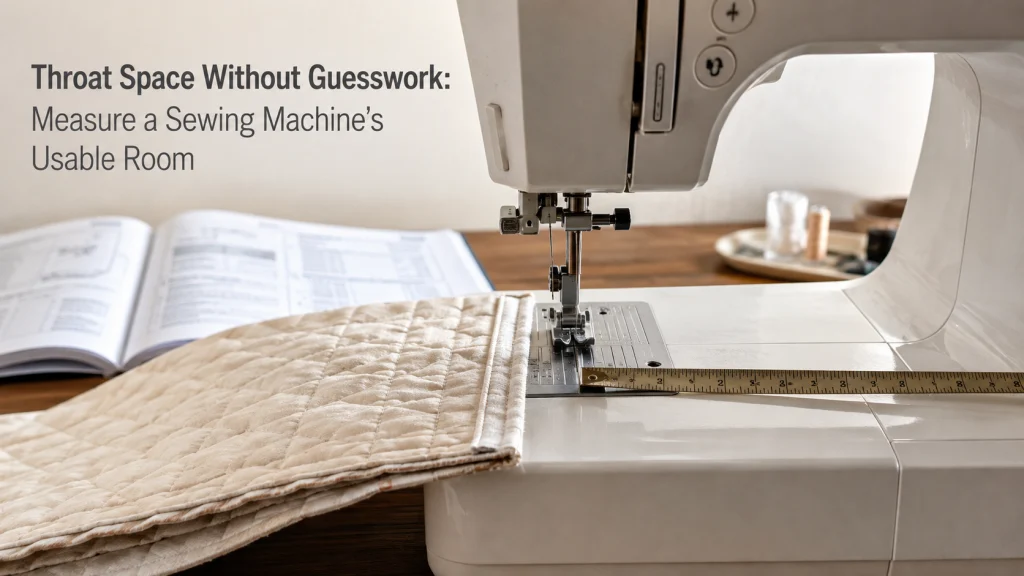
Throat Space Without Guesswork: Measure a Sewing Machine’s Usable Room

Sewing Machine Throat Space

Sewing machine throat space is a measurement that describes the room around the needle area, but the number alone does not always describe the same physical distance across brands. A useful comparison starts by identifying the exact measurement endpoints, separating horizontal clearance from vertical opening and support area, and recording what the manufacturer actually publishes

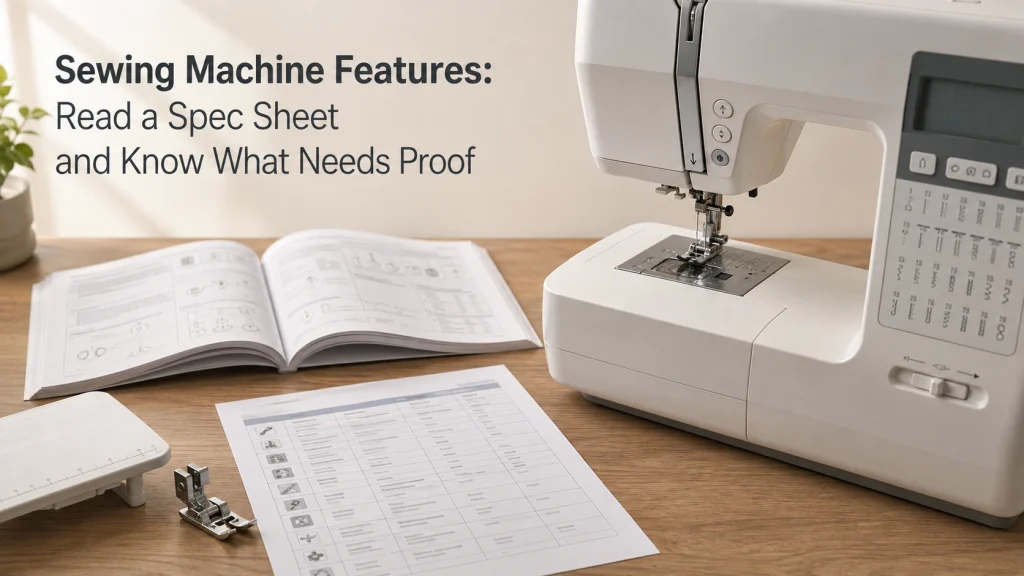
Sewing Machine Features: Read a Spec Sheet and Know What Needs Proof

Sewing Machine Features

A sewing-machine spec sheet becomes useful only when each line is translated into a job, measurement, control, included item, or claim that can be checked. Large stitch totals, high maximum speeds, and long feature lists are not automatically better because brands may count, label, and measure different things. The practical comparison starts by asking what

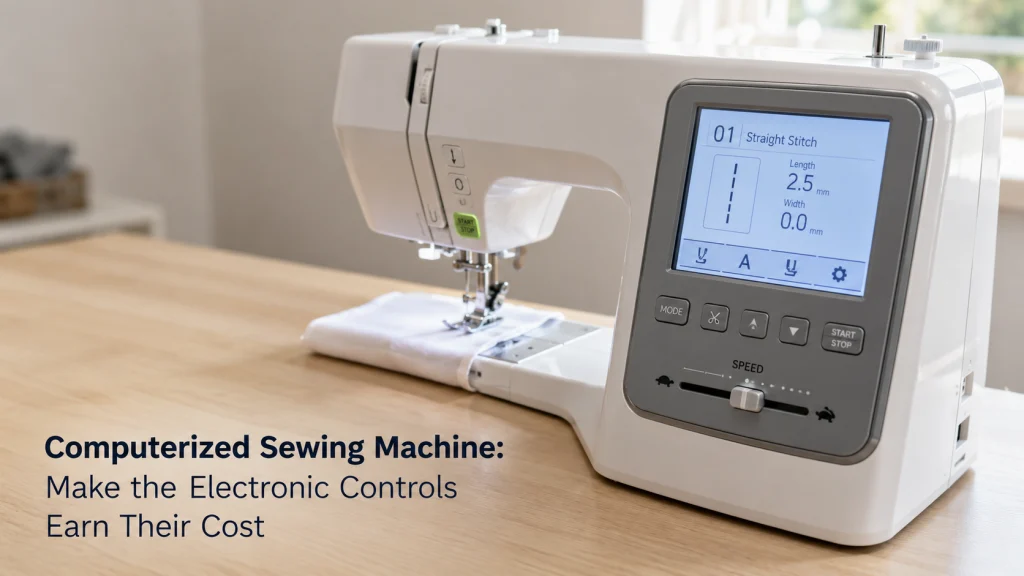
Computerized Sewing Machine: Make the Electronic Controls Earn Their Cost

Computerized Sewing Machine

A computerized sewing machine is worth paying more for only when its electronic controls solve tasks you repeat often. Stitch count and screen size are weak shortcuts because machines with very different totals can still offer a similar set of everyday controls. Compare stitch selection, length and width adjustment, speed limiting, needle stop position, Start/Stop

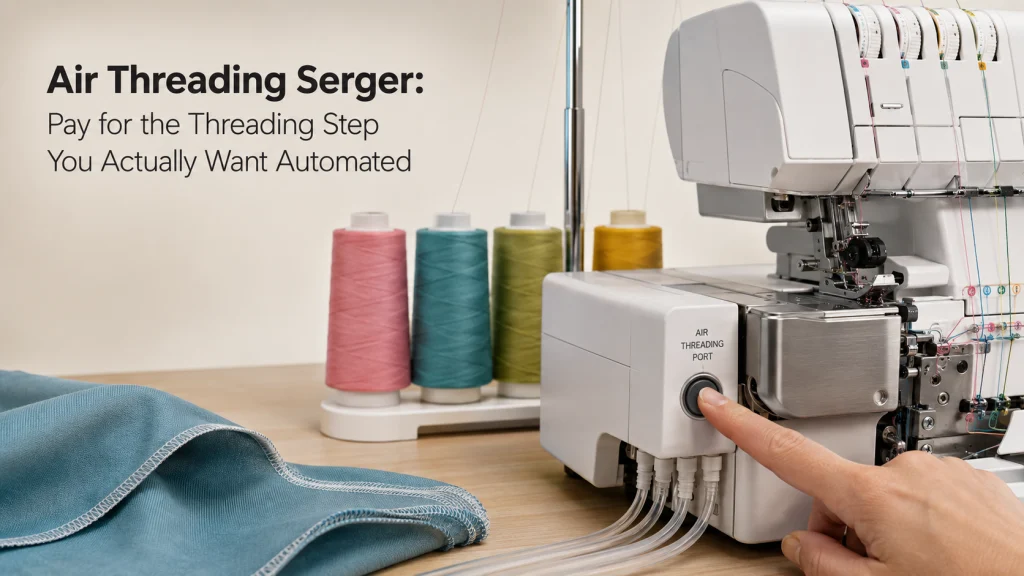
Air Threading Serger: Pay for the Threading Step You Actually Want Automated

Air Threading Serger

When I compare air-threading sergers, I separate the feature name from the actual threading work it removes. Current Brother and JUKI materials show different controls for loopers, needles, and tension, so the useful buying test is to map each job before comparing price. The value also depends on how often you rethread, change colors, or

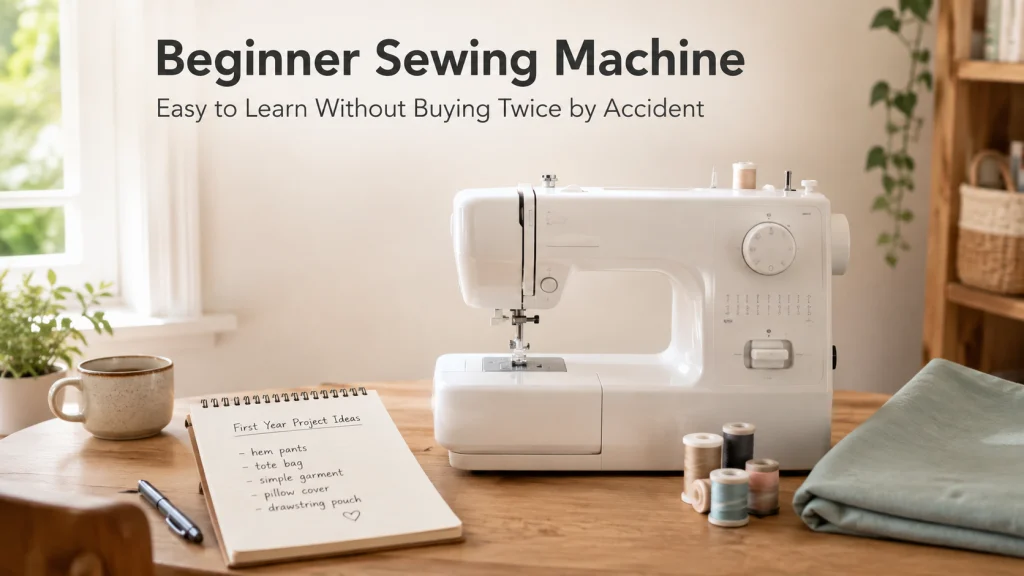
Beginner Sewing Machine: Easy to Learn Without Buying Twice by Accident

Beginner Sewing Machine

A beginner sewing machine should be chosen around the work you expect to do in the first year, not around the lowest price or longest stitch list. Start with a small project set, check the controls and support those projects need, then record the first likely limitation of each finalist. A simple machine can be