1-Step vs 4-Step Buttonhole: Compare Control Before Convenience
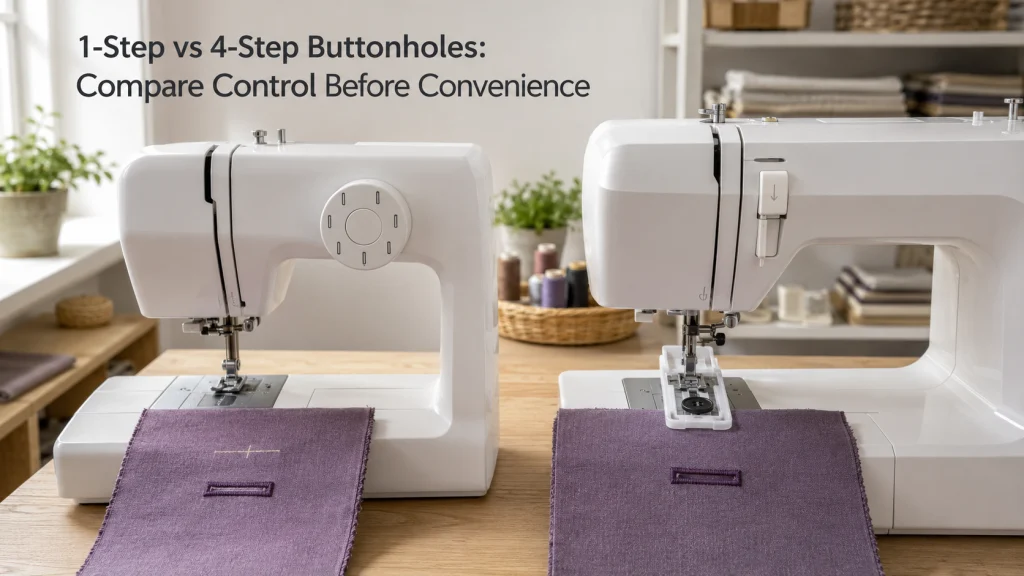
1 Step Vs 4 Step Buttonhole

A 1-step buttonhole and a 4-step buttonhole can produce the same basic feature while assigning different parts of the sequence to the machine and the operator. The useful pre-purchase questions are who advances the stages, how the buttonhole length is established, which foot the exact model requires, and whether that foot is actually included. A
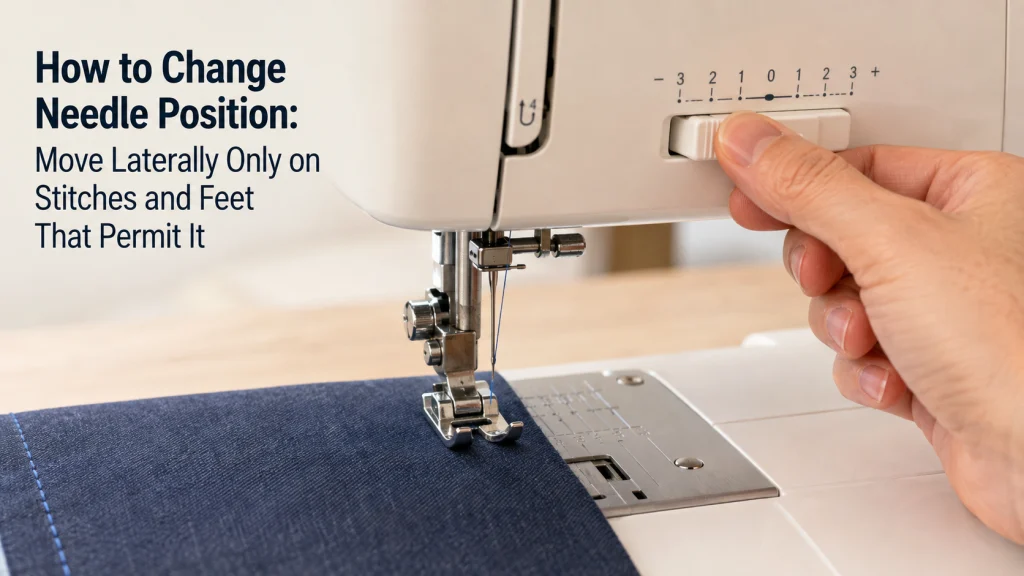
How to Change Needle Position: Move Laterally Only on Stitches and Feet That Permit It

How To Change Needle Position

Needle position on a domestic sewing machine is a stitch setting only when the selected stitch and installed hardware permit lateral movement. Some machines use stitch-width controls to move a straight-stitch needle, while others use dedicated left/right controls or on-screen settings. The safe sequence is to confirm the stitch, identify the exact control in the

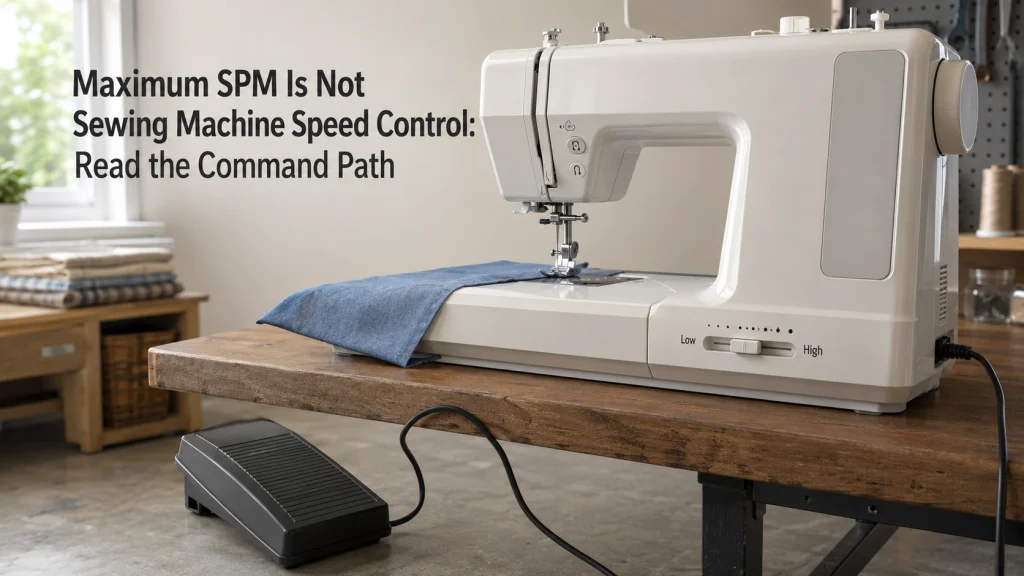
Maximum SPM Is Not Sewing Machine Speed Control: Read the Command Path

Sewing Machine Speed Control

Sewing machine speed control is not the same thing as a machine’s maximum stitches-per-minute rating. A useful pre-purchase check separates four things: the rated ceiling, any selectable speed limit, the command method, and the machine’s actual response at low speed. Manufacturer documentation can usually establish the first three, while smooth starts, gradual acceleration, and predictable

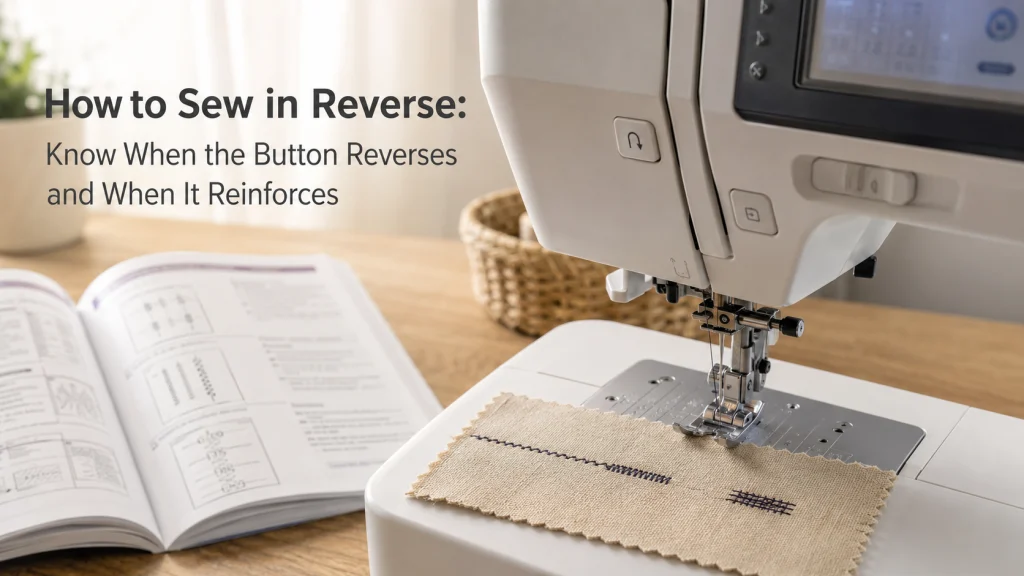
How to Sew in Reverse: Know When the Button Reverses and When It Reinforces

Sewing In Reverse

Sewing in reverse is not always the same operation on every domestic machine or every selected stitch. On some stitches, the reverse or reverse/reinforcement control makes the machine sew backward; on others, the same control can place reinforcement stitches in the same area instead. The safe method is to identify the exact control, select the

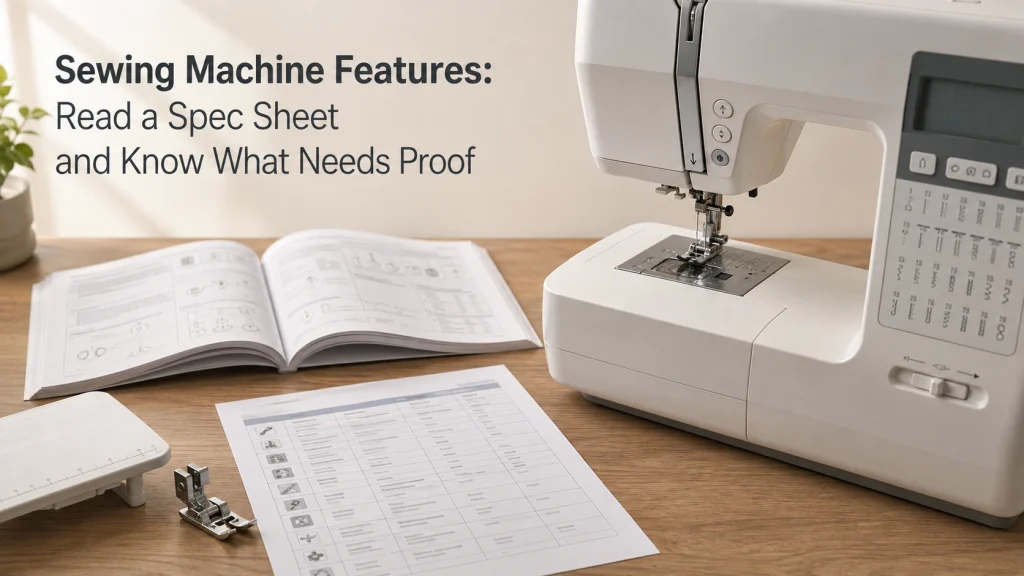
Sewing Machine Features: Read a Spec Sheet and Know What Needs Proof

Sewing Machine Features

A sewing-machine spec sheet becomes useful only when each line is translated into a job, measurement, control, included item, or claim that can be checked. Large stitch totals, high maximum speeds, and long feature lists are not automatically better because brands may count, label, and measure different things. The practical comparison starts by asking what

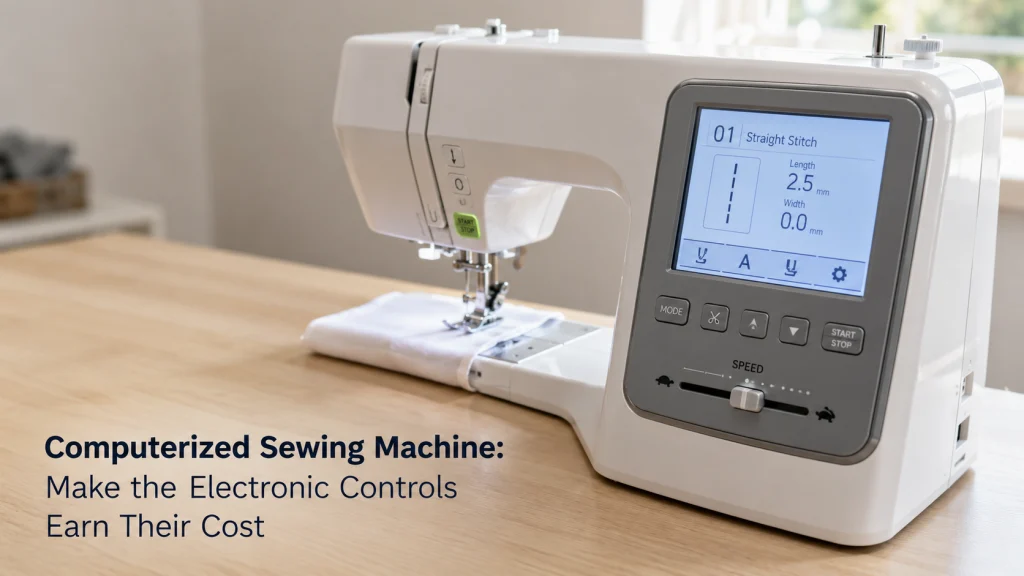
Computerized Sewing Machine: Make the Electronic Controls Earn Their Cost

Computerized Sewing Machine

A computerized sewing machine is worth paying more for only when its electronic controls solve tasks you repeat often. Stitch count and screen size are weak shortcuts because machines with very different totals can still offer a similar set of everyday controls. Compare stitch selection, length and width adjustment, speed limiting, needle stop position, Start/Stop

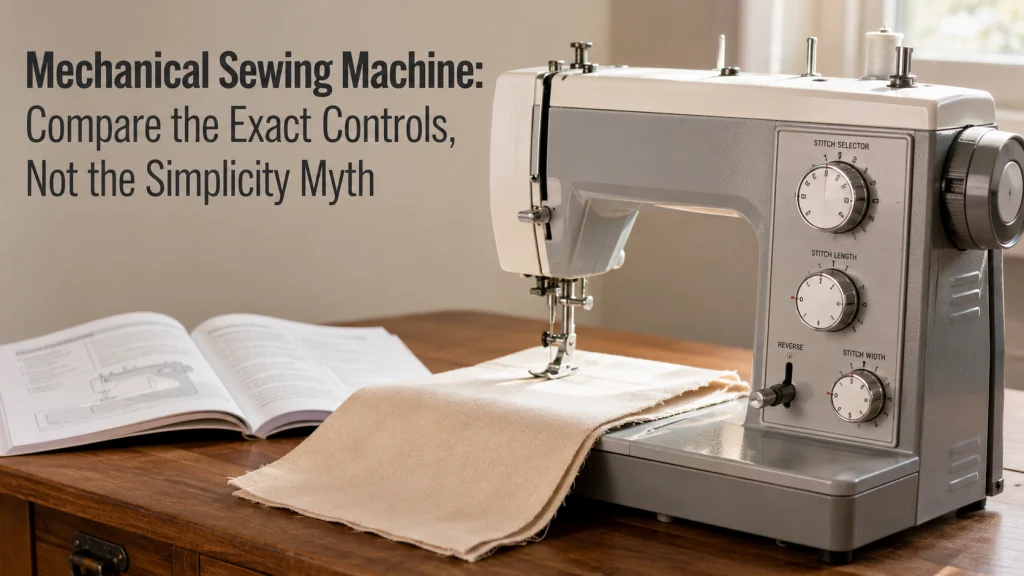
Mechanical Sewing Machine: Compare the Exact Controls, Not the Simplicity Myth

Mechanical Sewing Machine

A mechanical sewing machine gives you direct physical controls, but that label does not tell you how many useful adjustments, feed controls, buttonhole steps, or support options a specific model provides. The practical way to choose is to write down the controls you actually need, verify them against the exact current model page and manual,

Mechanical vs Computerized Sewing Machine: Compare the Controls Before the Category Claims

Mechanical Vs Computerized Sewing Machine

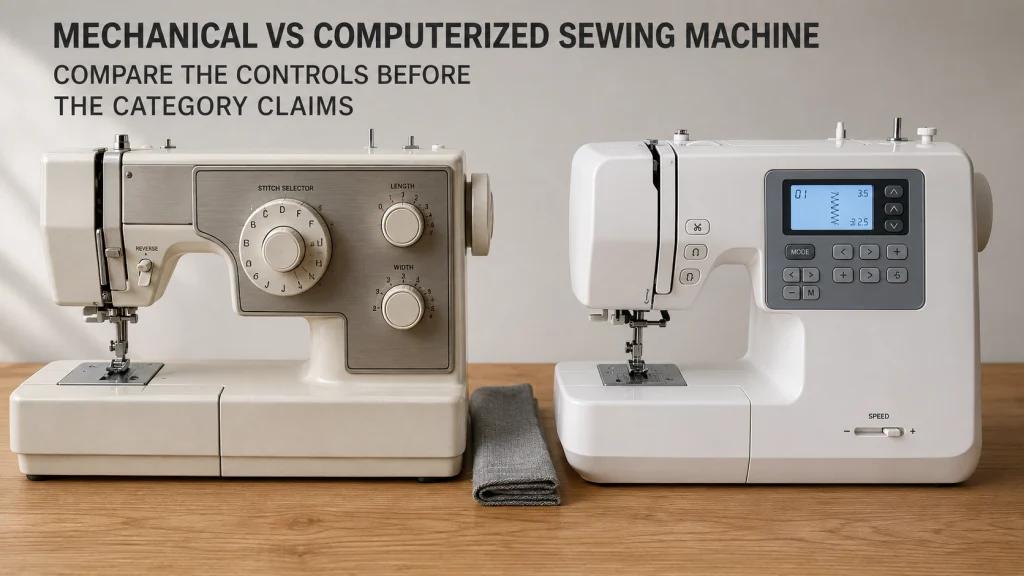
A mechanical machine can include conveniences that buyers often assume belong only to computerized models, while a computerized machine can omit controls that another computerized model provides. The useful comparison is therefore not “simple versus advanced,” but whether each exact machine gives you the stitch controls, speed behavior, buttonhole workflow, needle functions, documentation, and support

Sewing Machine Settings: Change One Control for One Defined Result

Sewing Machine Settings

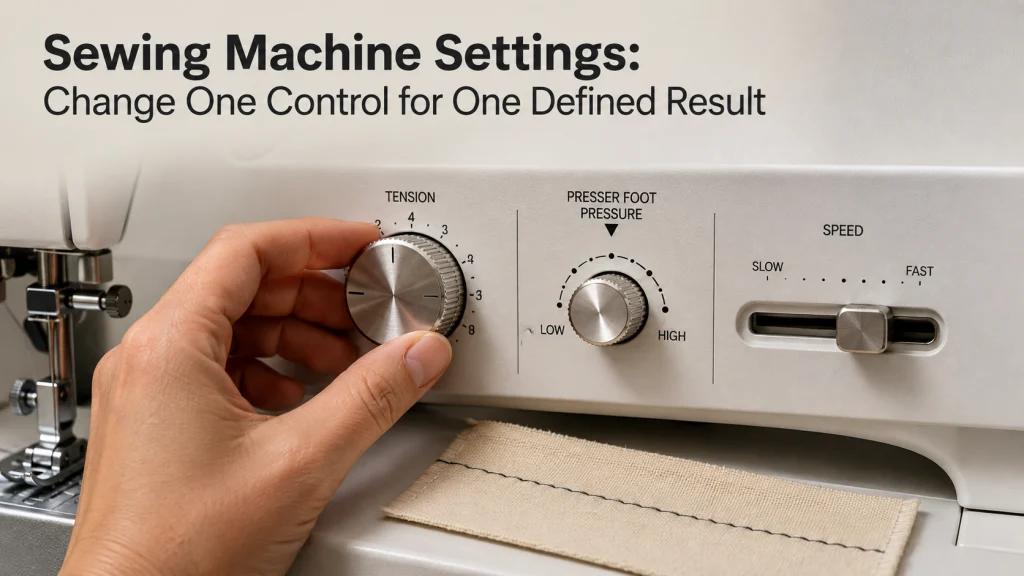
Sewing machine settings are easier to use when each control is tied to one defined result instead of treated as part of a universal chart. On a functioning domestic machine, upper thread tension changes thread balance, presser-foot pressure changes how firmly fabric is held against the feed system, a speed control can limit sewing speed,

Best Sewing Machine for Seniors: Match the Controls, Not the Age Label

Best Sewing Machine For Seniors

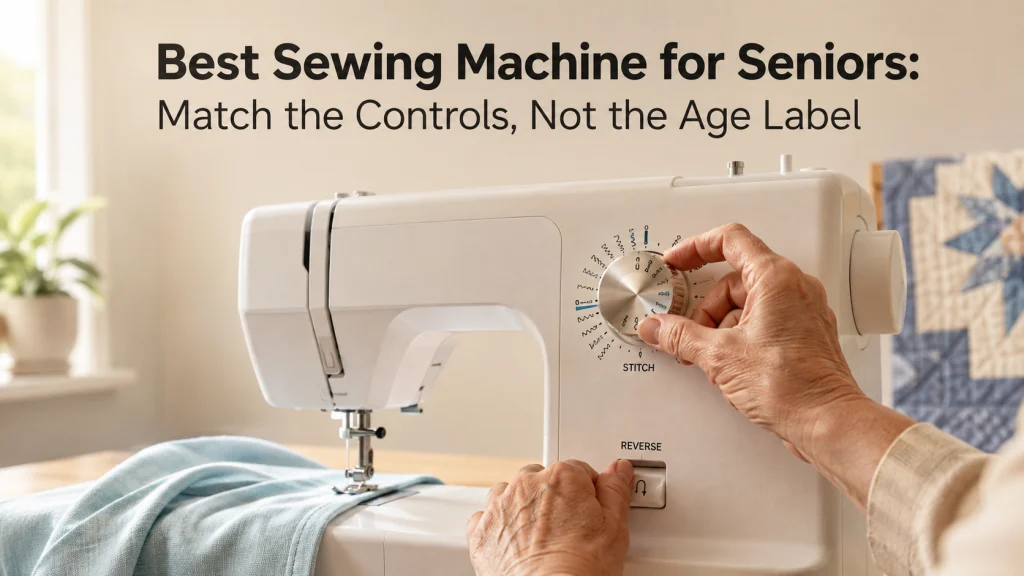
The best sewing machine for seniors is not a machine chosen from an age label. It is a domestic machine whose controls, threading path, bobbin access, lighting, pedal or button operation, handling weight, and support route match the person who will actually use it. Two older sewists can reasonably prefer opposite interfaces, especially when one

Kids Sewing Machine: Choose the Learning System Before the Product

Kids Sewing Machine

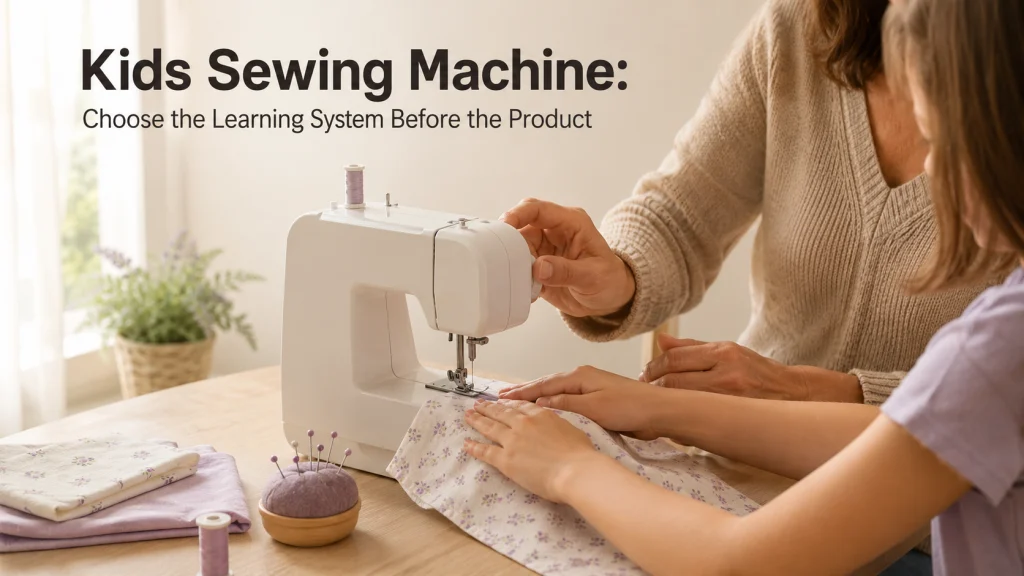
A kids sewing machine can mean an enclosed craft system, a reduced mini threaded machine, or a normal domestic machine used with adult supervision. Choose first by the intended learning outcome, then verify the exact manual, needle-area design, start method, speed behavior, consumables, warnings, and adult role. Small size, a guard, battery power, or child-focused

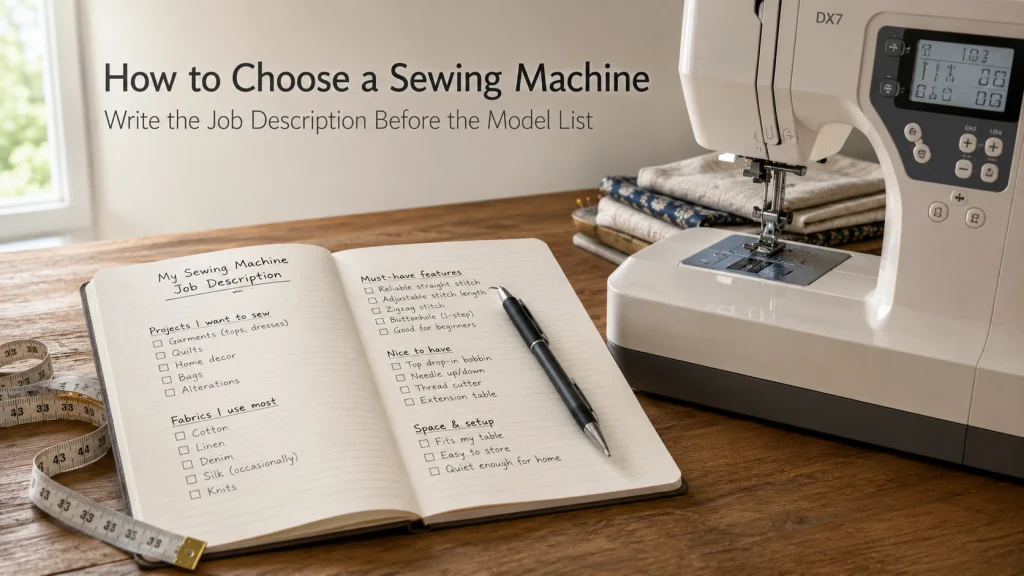
How to Choose a Sewing Machine: Write the Job Description Before the Model List

How To Choose A Sewing Machine

Choosing a general-purpose domestic sewing machine gets easier when the machine has a written job description before any model enters the shortlist. The useful brief records what the machine must do, who will operate and move it, which controls are non-negotiable, what support is available, and which claims still need verification. A feature can be