How to Sew a Buttonhole: Follow the Exact One-Step, Four-Step, or Manual Workflow
How To Sew A Buttonhole

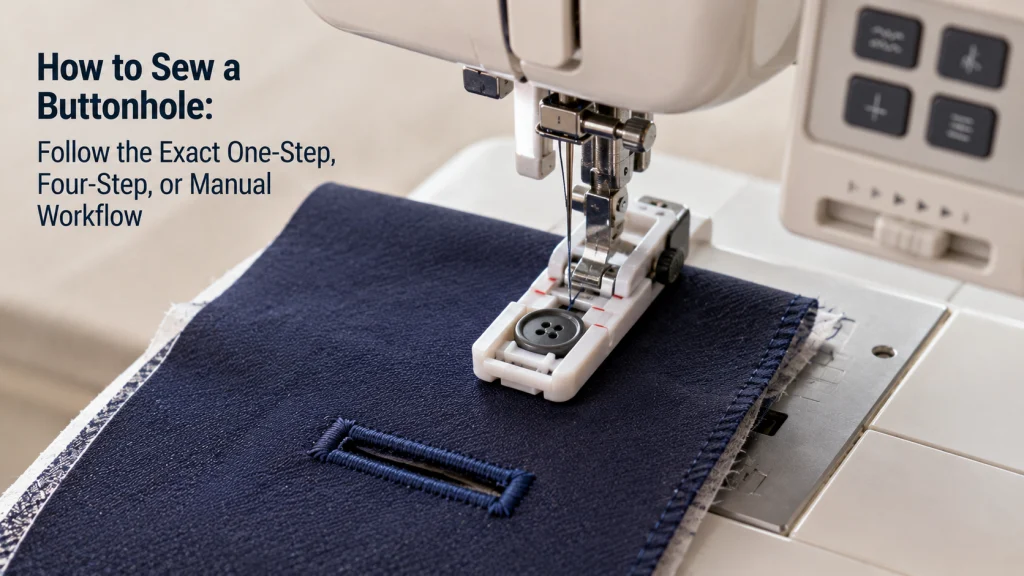
How to sew a buttonhole depends first on the buttonhole system built into the exact sewing machine. A one-step system may use a button-guided foot and lever, a four-step system requires deliberate stage changes, and some machines document a more manual zigzag sequence. The safest workflow is to identify that system in the manual, prepare
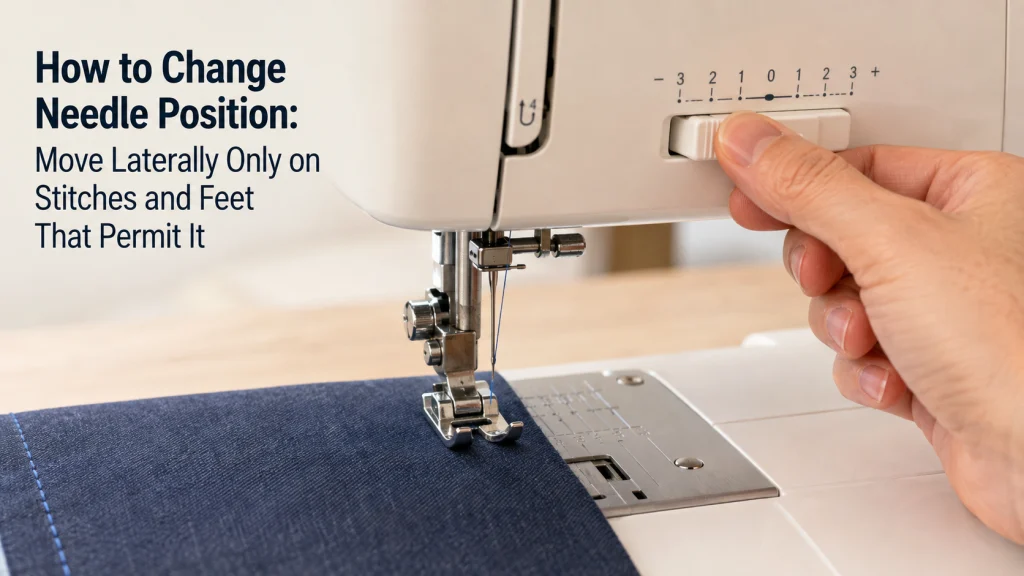
How to Change Needle Position: Move Laterally Only on Stitches and Feet That Permit It

How To Change Needle Position

Needle position on a domestic sewing machine is a stitch setting only when the selected stitch and installed hardware permit lateral movement. Some machines use stitch-width controls to move a straight-stitch needle, while others use dedicated left/right controls or on-screen settings. The safe sequence is to confirm the stitch, identify the exact control in the

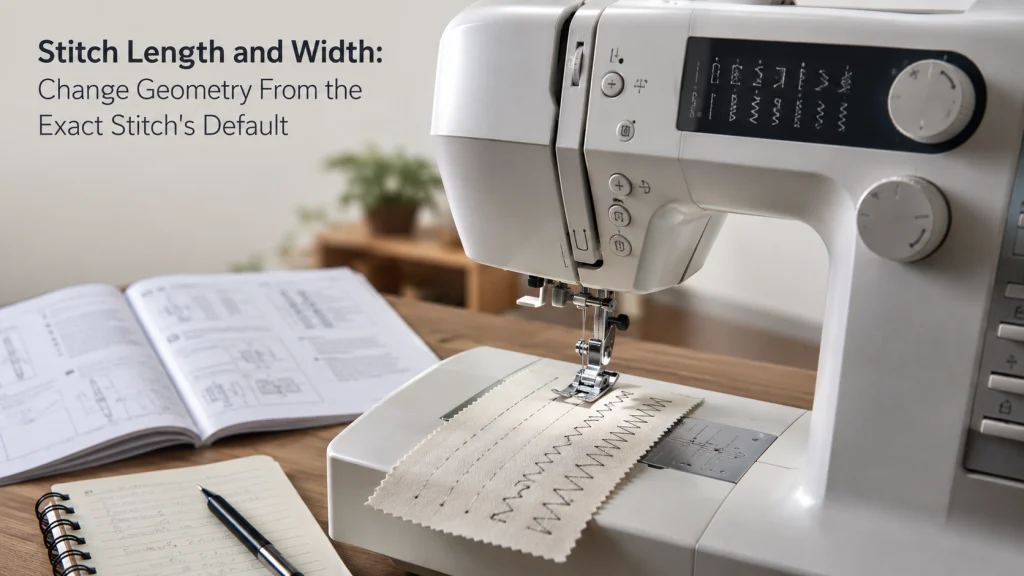
Stitch Length and Width: Change Geometry From the Exact Stitch’s Default

Stitch Length And Width

Stitch length and width are not universal fabric settings that can be copied from one machine to another. They are geometry controls that change the spacing, span, or position of the selected stitch, so the correct starting point is the exact stitch and its documented default or allowed range. The safest adjustment method is to

How to Sew in Reverse: Know When the Button Reverses and When It Reinforces

Sewing In Reverse

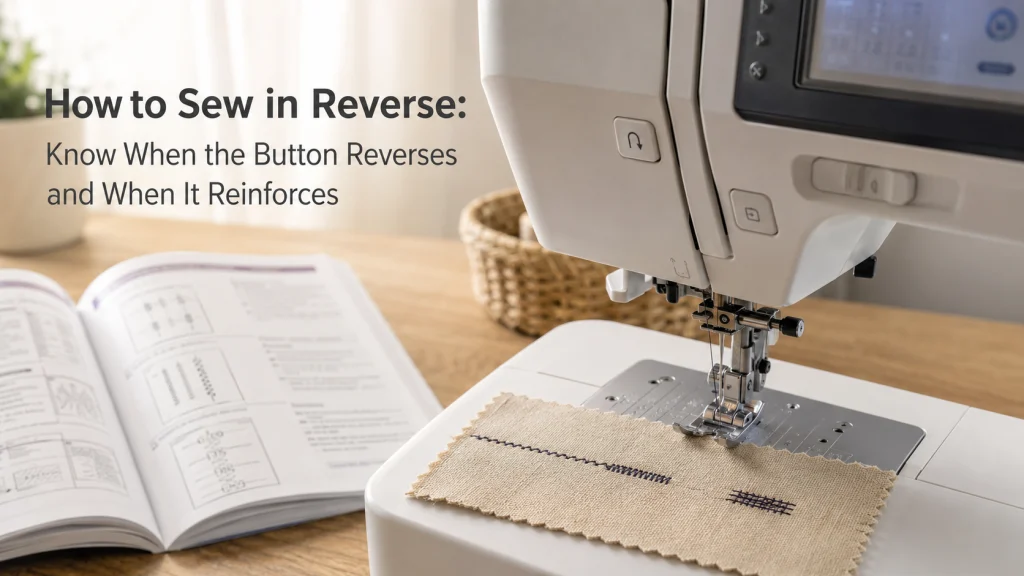
Sewing in reverse is not always the same operation on every domestic machine or every selected stitch. On some stitches, the reverse or reverse/reinforcement control makes the machine sew backward; on others, the same control can place reinforcement stitches in the same area instead. The safe method is to identify the exact control, select the

Straight Stitch vs Zigzag Stitch: Choose by Seam Job, Stretch, and Edge Behavior

Straight Stitch Vs Zigzag Stitch

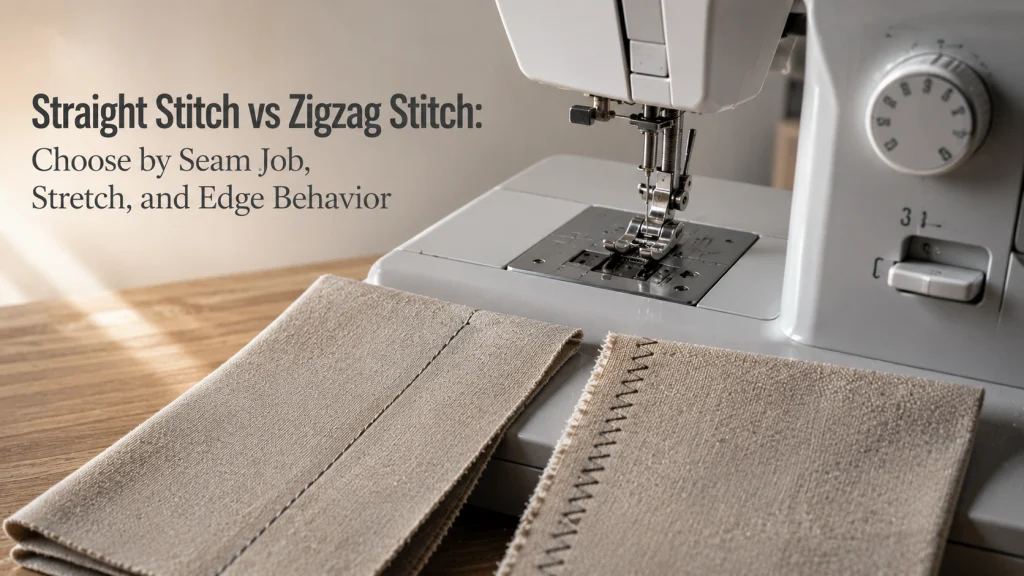
Straight stitch vs zigzag stitch is not a fabric-label decision. Start by asking what the seam or edge must do: join layers without needing lateral movement, accommodate stretch, cover a raw edge, or hand the job off to a more specific technique such as a buttonhole. Straight stitch is the simpler choice when ordinary non-stretch

Sewing Machine Stitches: Select the Stitch First, Then Change Only the Geometry You Need

Sewing Machine Stitches

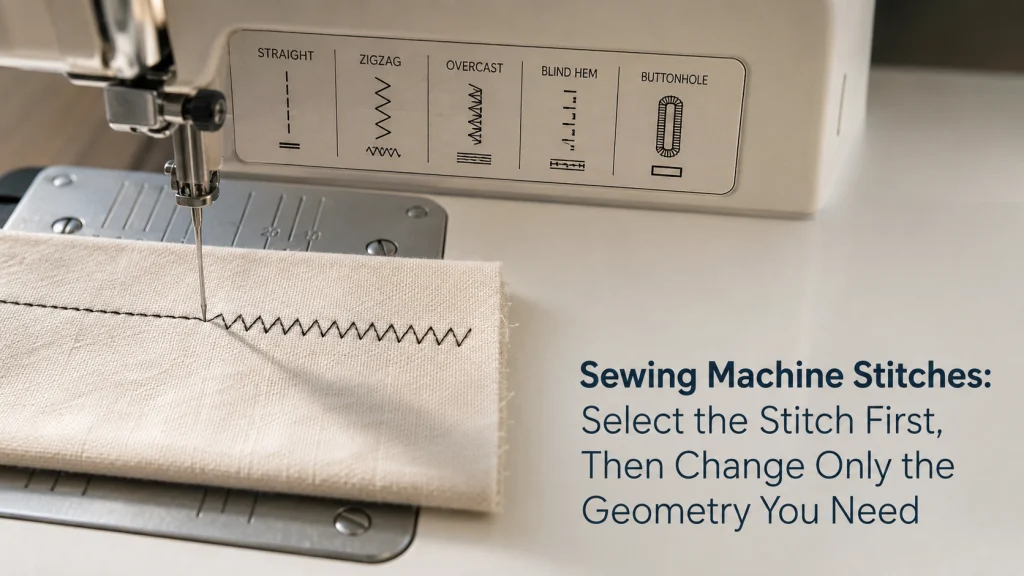
Sewing machine stitches make more sense when you start with the sewing job instead of the stitch number. On a functioning domestic machine, the practical sequence is to identify the stitch in the exact chart or on-screen menu, select it with the documented control, check which settings that stitch actually allows, and test the result