Large Hoop Embroidery Machine: Buy the Native Field, Not the Hoop Label
Large Hoop Embroidery Machine

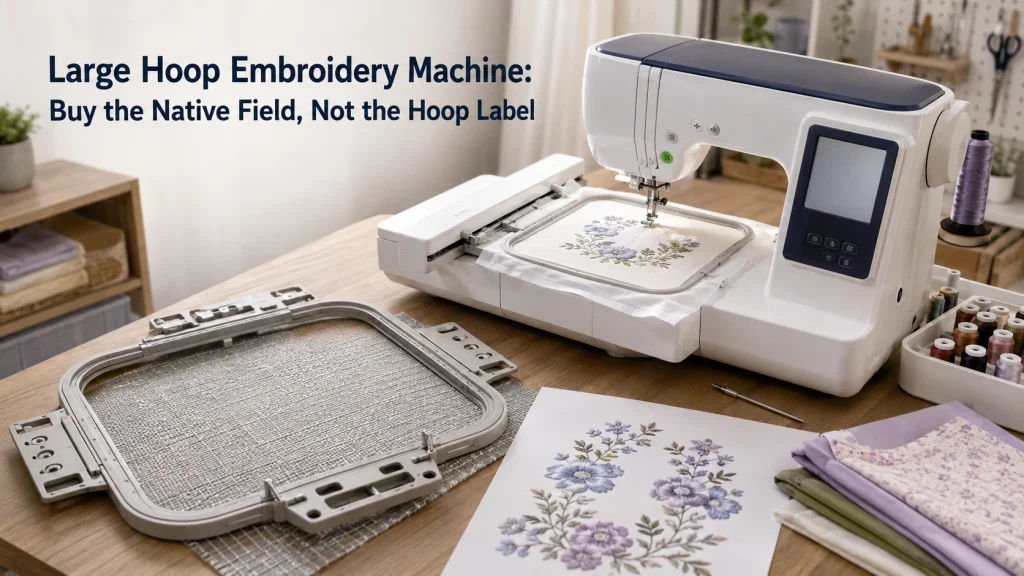
A large physical hoop does not automatically give an embroidery machine a larger native stitchable field. The buying decision should start with the exact dimensions and orientation of the designs you repeatedly want to stitch, then move to the machine’s documented maximum embroidery area. Included hoops, optional hoops, and multi-position frames are separate facts that
Sewing Embroidery Combo Machine: One Chassis or Two Working Machines?

Sewing Embroidery Combo Machine

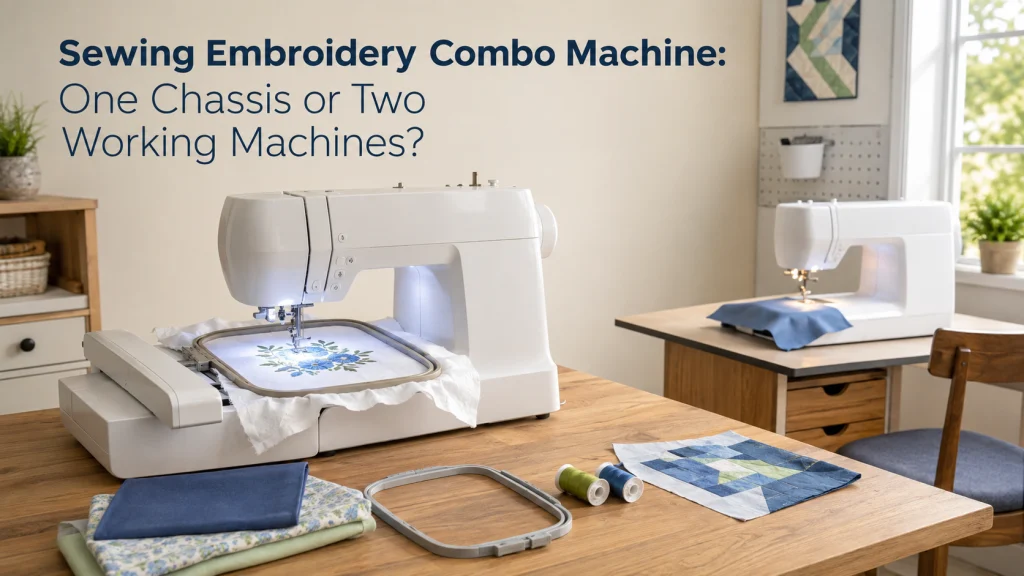
A sewing embroidery combo machine can save table and storage space, but it still gives you only one working chassis. The better setup depends on whether sewing and embroidery need to happen independently, the largest embroidery field your projects require, and how often you are willing to change the machine between roles. A combo can

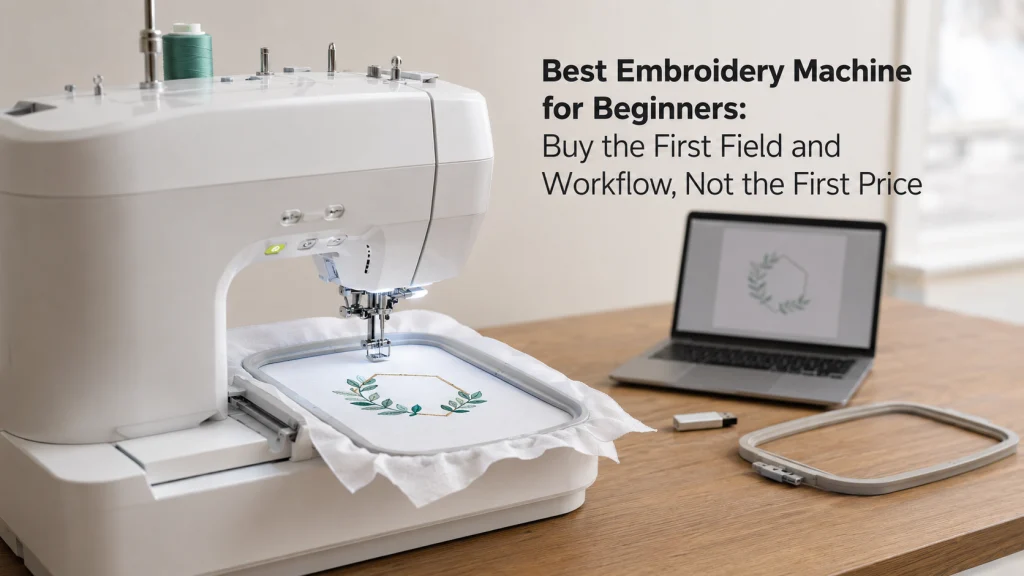
Best Embroidery Machine for Beginners: Buy the First Field and Workflow, Not the First Price

Best Embroidery Machine For Beginners

The best embroidery machine for beginners is not automatically the cheapest machine or the one with the longest feature list. A first machine should match the embroidery field your planned designs actually need, the choice between embroidery-only and sewing-plus-embroidery, the way you expect to transfer files, and the support you can realistically use. A 4

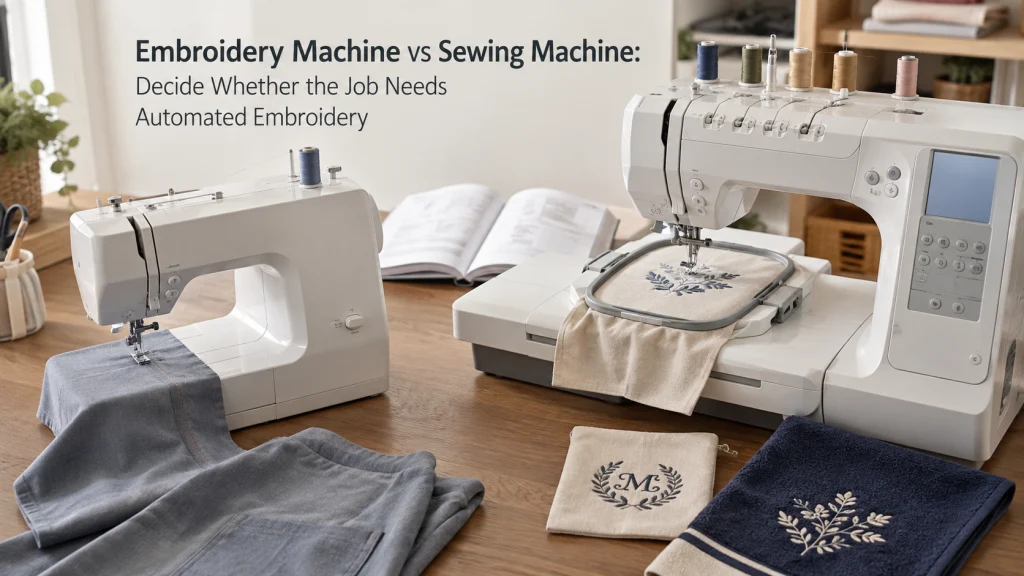
Embroidery Machine vs Sewing Machine: Decide Whether the Job Needs Automated Embroidery

Embroidery Machine Vs Sewing Machine

Imagine one project that needs three operations: construct a seam, add a simple decorative stitch, and stitch an uploaded multi-color logo. The first task belongs to ordinary sewing, the second depends on the type of decoration, and the third introduces a different question because it may require programmed embroidery. The right choice is not which

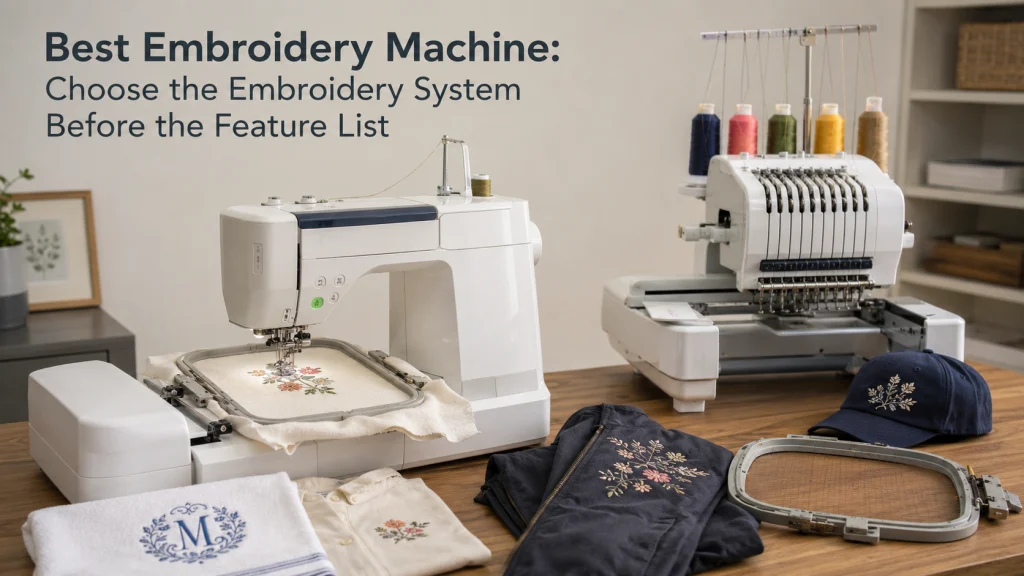
Best Embroidery Machine: Choose the Embroidery System Before the Feature List

Best Embroidery Machine

The best embroidery machine is not one universal machine because monograms, large jacket designs, repeated multicolor work, and hats can require different machine architectures. Start by defining the items, design dimensions, color-change workload, access around the embroidery area, and file workflow before comparing features. A home embroidery machine can be a good fit for personal

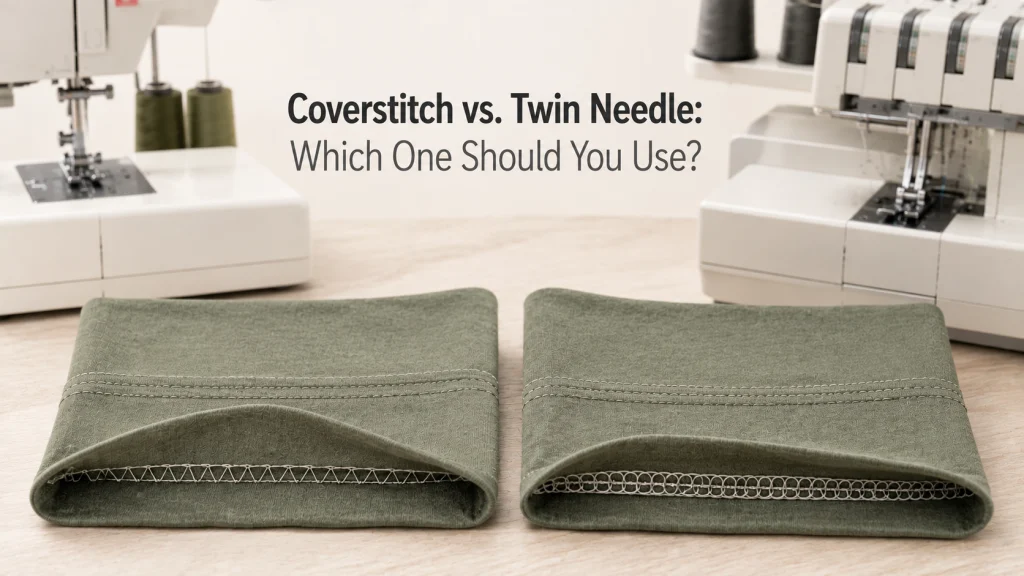
Coverstitch vs Twin Needle: Decide When the Domestic Workaround Is Still Enough

Coverstitch Vs Twin Needle

A coverstitch machine is not an automatic upgrade from a twin-needle hem on a regular sewing machine. The purchase only starts to make sense when the current twin-needle workflow has a specific, repeatable limitation on garments you actually sew, and that limitation belongs to the system rather than an unresolved setup problem. Compare appearance, stretch

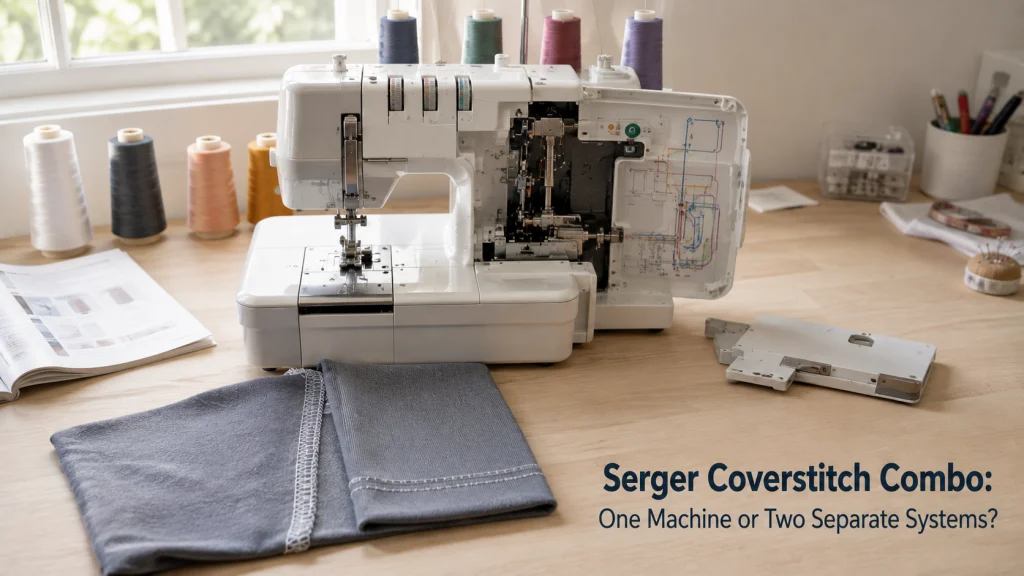
Serger Coverstitch Combo: One Machine or Two Separate Systems?

Serger Coverstitch Combo

A serger coverstitch combo can reduce the number of machine bodies in a sewing space, but it also turns every switch between overlocking and coverstitching into part of the ownership workflow. Separate machines take more room and usually require a larger total equipment commitment, yet each function can remain threaded and ready when the project

Best Coverstitch Machine for Beginners: Make the First Hem Workflow the Buying Test

Best Coverstitch Machine For Beginners

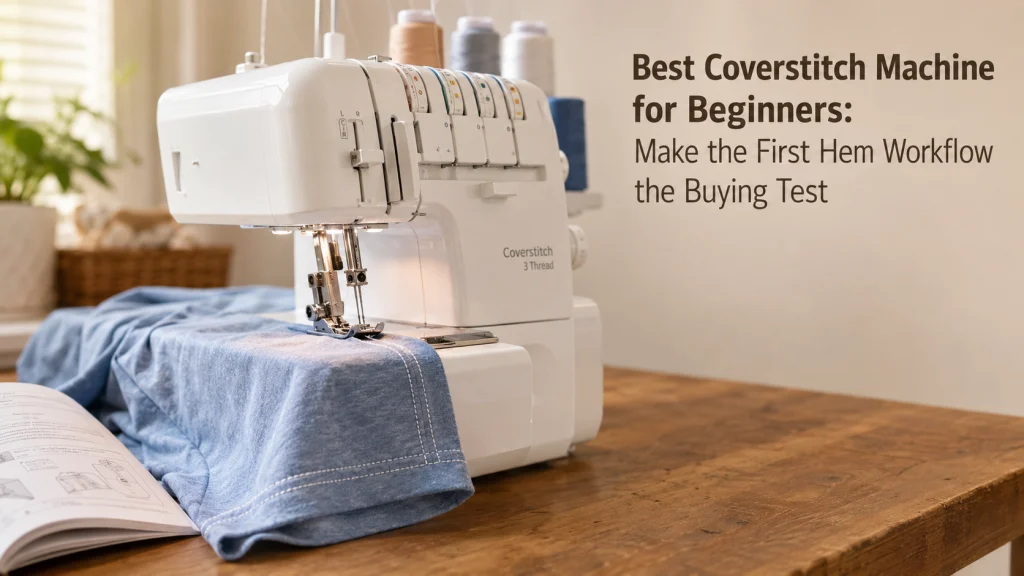
The best coverstitch machine for beginners is not automatically the least expensive or the one with the fewest controls. A better first purchase is the machine whose threading, stitch selection, fabric release, documentation, workspace, and service path fit the garment jobs you expect to repeat. Before comparing candidates, decide whether you actually need dedicated coverstitch

Coverstitch vs Serger: Choose the Missing Operation, Not the Similar-Looking Machine

Coverstitch Vs Serger

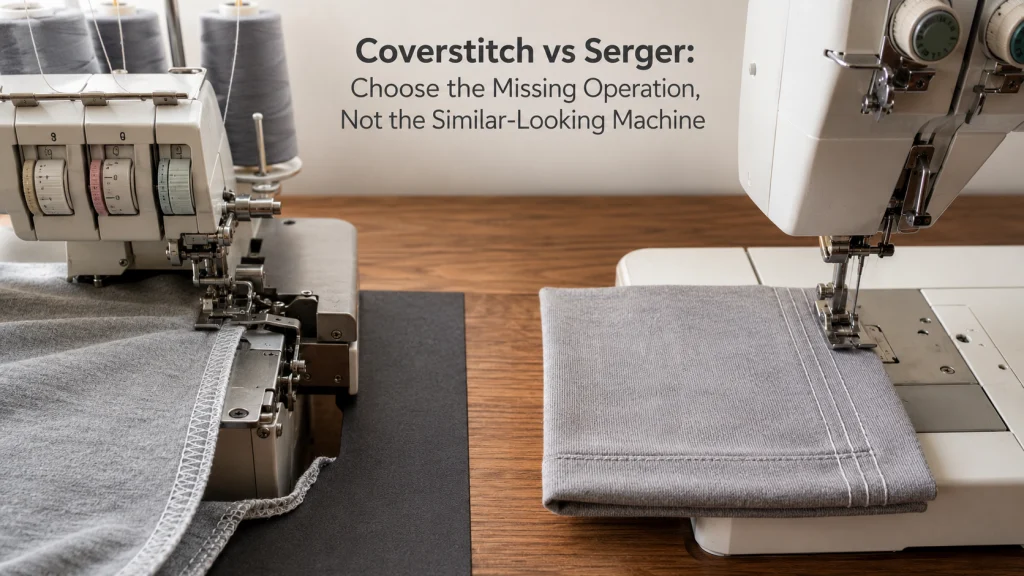
A serger and a coverstitch machine may look like close relatives, but they solve different garment operations. A serger is primarily useful when the missing job is trimming and enclosing an edge or constructing stretch seams, while a coverstitch system earns its place when folded knit hems, chainstitch work, or coverstitch topstitching are the recurring

Best Coverstitch Machine: Decide Dedicated vs Combo Before Ranking Models

Best Coverstitch Machine

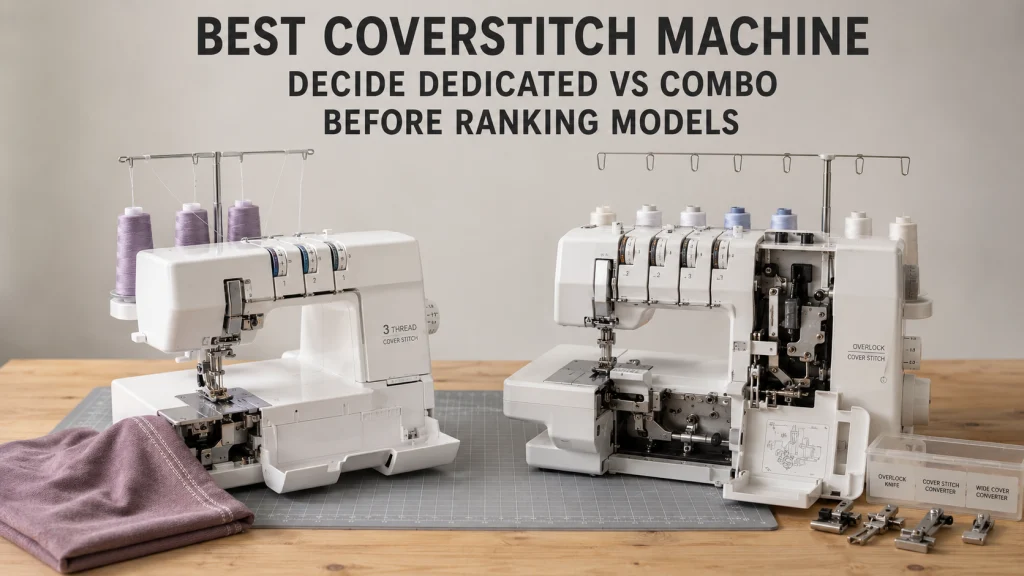
The best coverstitch machine matches a recurring operation and an ownership format you can live with, not simply the longest feature list. A dedicated system can stay ready for coverstitch work, while a combination overlock and coverstitch system trades that readiness for a smaller machine footprint. The right choice depends on required stitches, switching frequency,

Serger for Knits: Choose for Stretch Control Without Buying the Wrong System

Serger For Knits

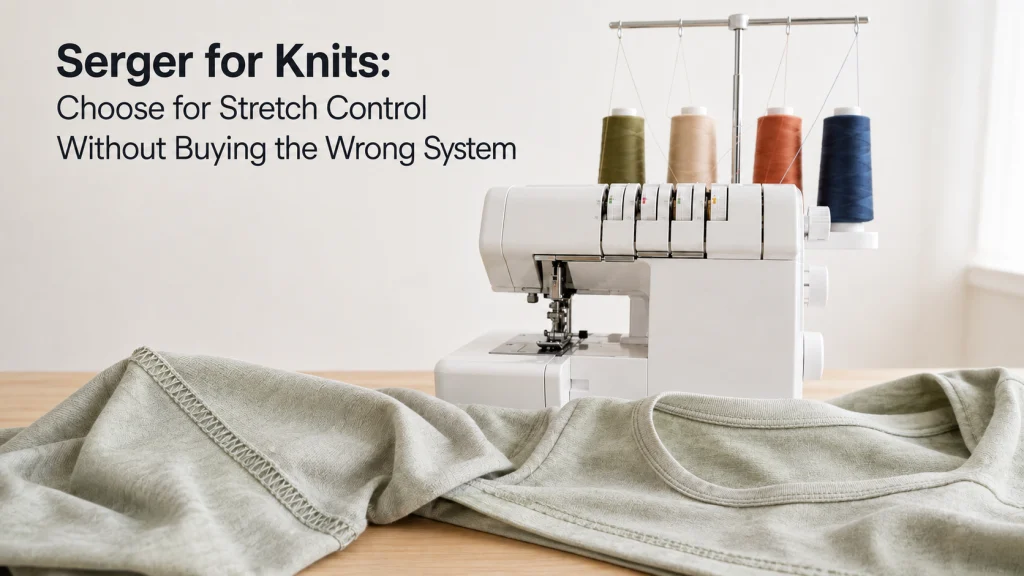
A serger can be a useful specialist machine for repeated knit garment construction, but it does not replace every sewing-machine or coverstitch operation. The buying decision should start with the seams, edge finishes, elastic applications, and hems you make most often, then move to current documentation for differential feed, thread configurations, threading workflow, and garment-access

3-Thread vs 4-Thread Serger: Buy the Configuration Your Seams Require

3 Thread Vs 4 Thread Serger

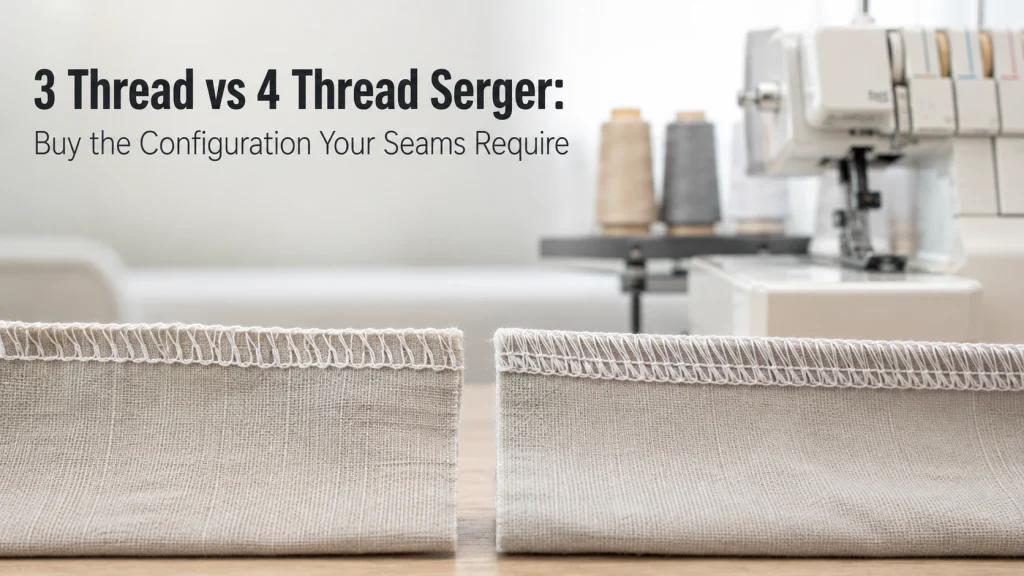
A three-thread-only serger can be a sensible buy when the planned work is mainly edge finishing, but it can become an avoidable limitation when the projects call for a four-thread overlock configuration. Thread count is not a quality grade, and a four-thread label does not by itself prove better fabric handling, easier threading, or better

Air Threading Serger: Pay for the Threading Step You Actually Want Automated

Air Threading Serger

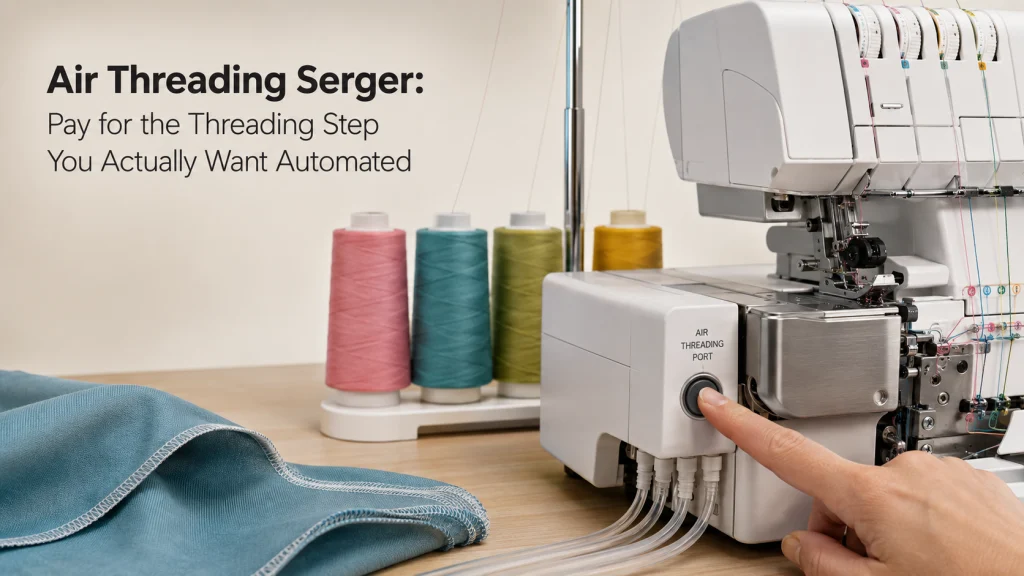
When I compare air-threading sergers, I separate the feature name from the actual threading work it removes. Current Brother and JUKI materials show different controls for loopers, needles, and tension, so the useful buying test is to map each job before comparing price. The value also depends on how often you rethread, change colors, or

Best Serger for Beginners: Make the First Threading Workflow Part of the Purchase

Best Serger For Beginners

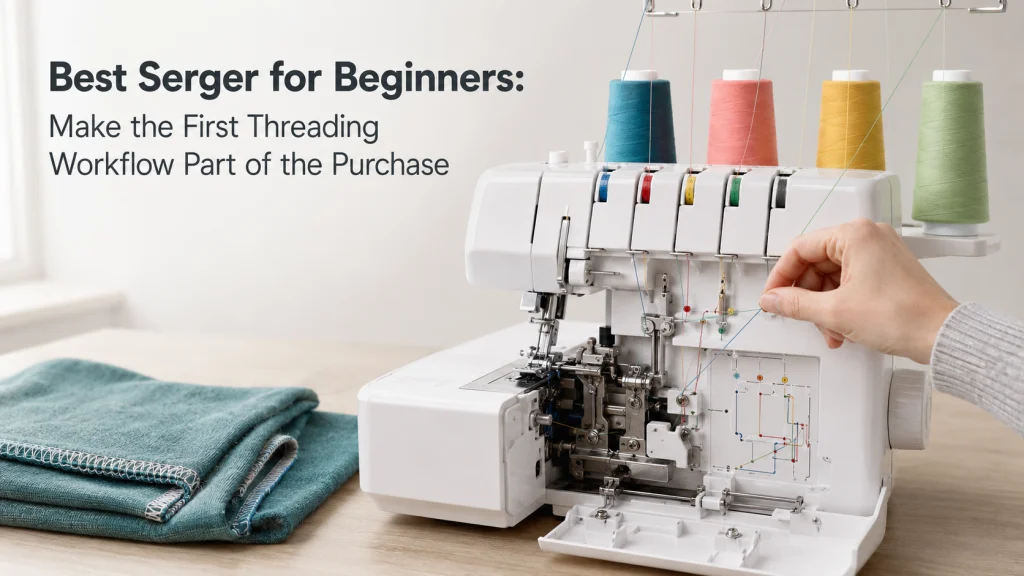
A first serger should be chosen around the work you expect to do and the complete threading routine you are willing to repeat, not around a vague beginner label. The useful comparison separates initial threading, rethreading, stitch conversion, differential-feed control, documentation, service access, and ongoing consumables. Air-assisted threading can reduce one part of that burden,

Serger vs Sewing Machine: Decide Whether You Need a Second System

Serger Vs Sewing Machine

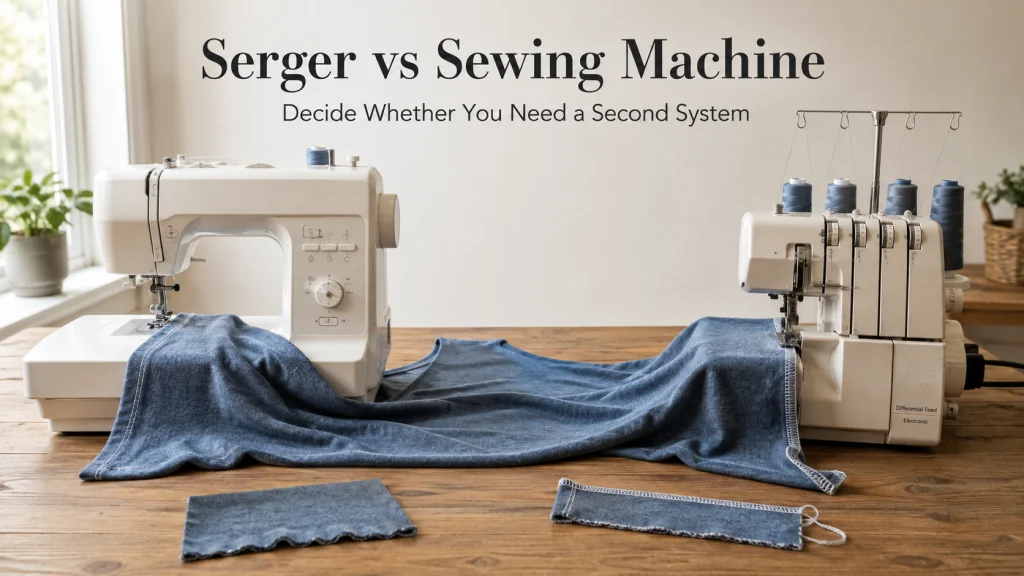
A serger becomes useful when your projects repeatedly need overlock construction, raw-edge finishing, trimming, or more controlled feeding on stretch fabrics. The practical decision is to list the operations you actually sew, see which system owns each job, and decide whether a second machine removes enough repeated work to justify its space, threading, consumables, and

Best Serger: Choose the Overlock System Before the Model

Best Serger

The best serger is not the machine with the longest feature list. It is the overlock system whose thread configurations, threading workflow, differential feed, edge-finishing options, documentation, and service route match the work you will actually repeat. Current home sergers range from relatively simple manual-threading machines to premium air-threading designs, and both can be sensible