Coverstitch vs Serger: Choose the Missing Operation, Not the Similar-Looking Machine
Coverstitch Vs Serger

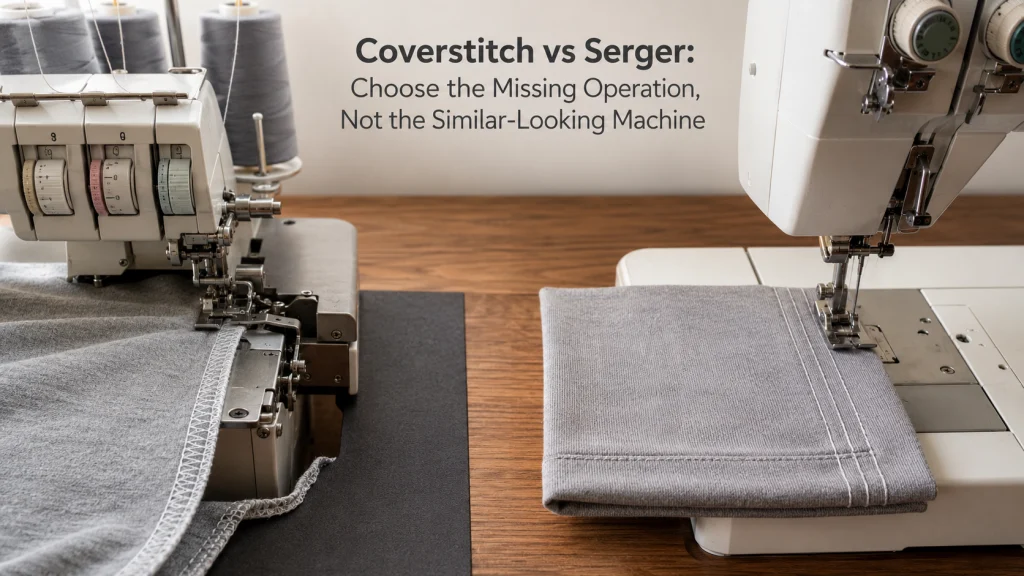
A serger and a coverstitch machine may look like close relatives, but they solve different garment operations. A serger is primarily useful when the missing job is trimming and enclosing an edge or constructing stretch seams, while a coverstitch system earns its place when folded knit hems, chainstitch work, or coverstitch topstitching are the recurring
Best Sewing Machine for Seniors: Match the Controls, Not the Age Label

Best Sewing Machine For Seniors

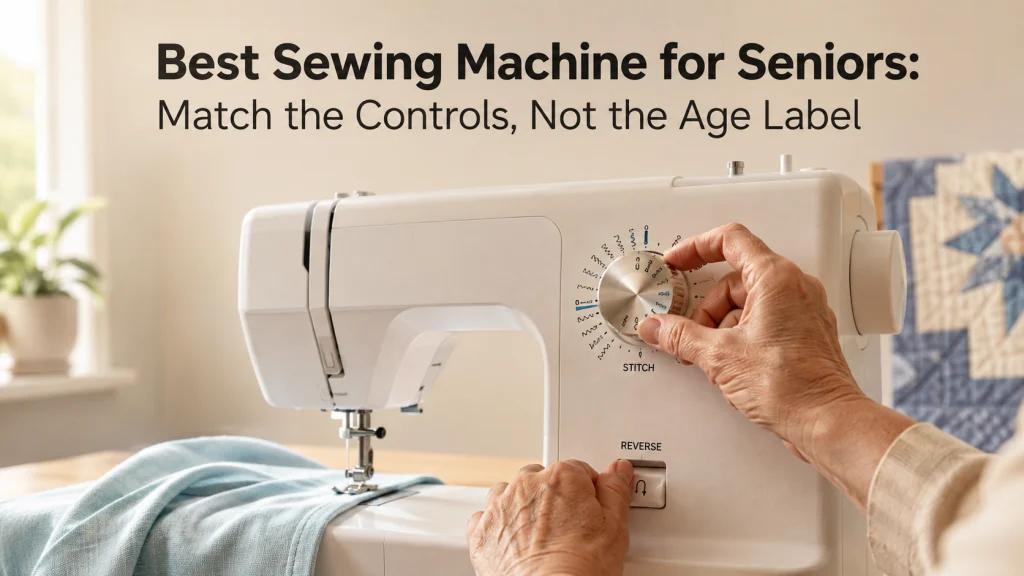
The best sewing machine for seniors is not a machine chosen from an age label. It is a domestic machine whose controls, threading path, bobbin access, lighting, pedal or button operation, handling weight, and support route match the person who will actually use it. Two older sewists can reasonably prefer opposite interfaces, especially when one

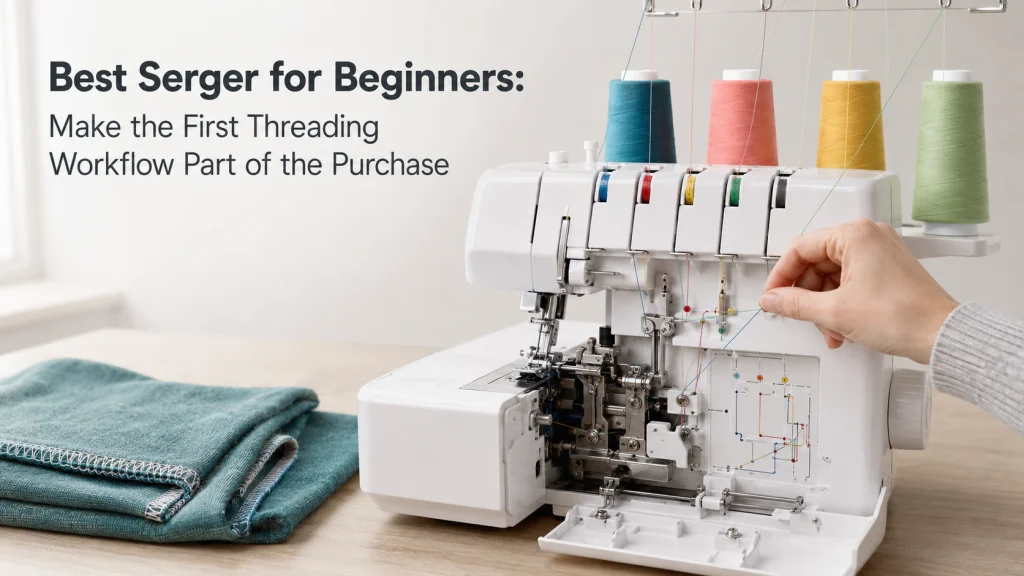
Best Serger for Beginners: Make the First Threading Workflow Part of the Purchase

Best Serger For Beginners

A first serger should be chosen around the work you expect to do and the complete threading routine you are willing to repeat, not around a vague beginner label. The useful comparison separates initial threading, rethreading, stitch conversion, differential-feed control, documentation, service access, and ongoing consumables. Air-assisted threading can reduce one part of that burden,

Serger vs Sewing Machine: Decide Whether You Need a Second System

Serger Vs Sewing Machine

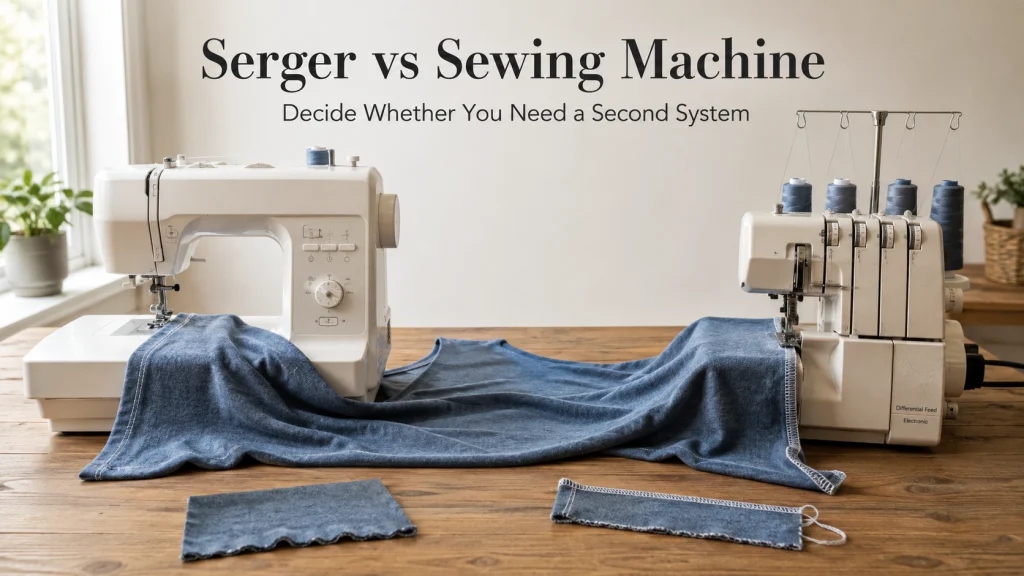
A serger becomes useful when your projects repeatedly need overlock construction, raw-edge finishing, trimming, or more controlled feeding on stretch fabrics. The practical decision is to list the operations you actually sew, see which system owns each job, and decide whether a second machine removes enough repeated work to justify its space, threading, consumables, and

Sewing Machine Parts: A Job-First Map for Reading Any Home-Machine Manual

Sewing Machine Parts

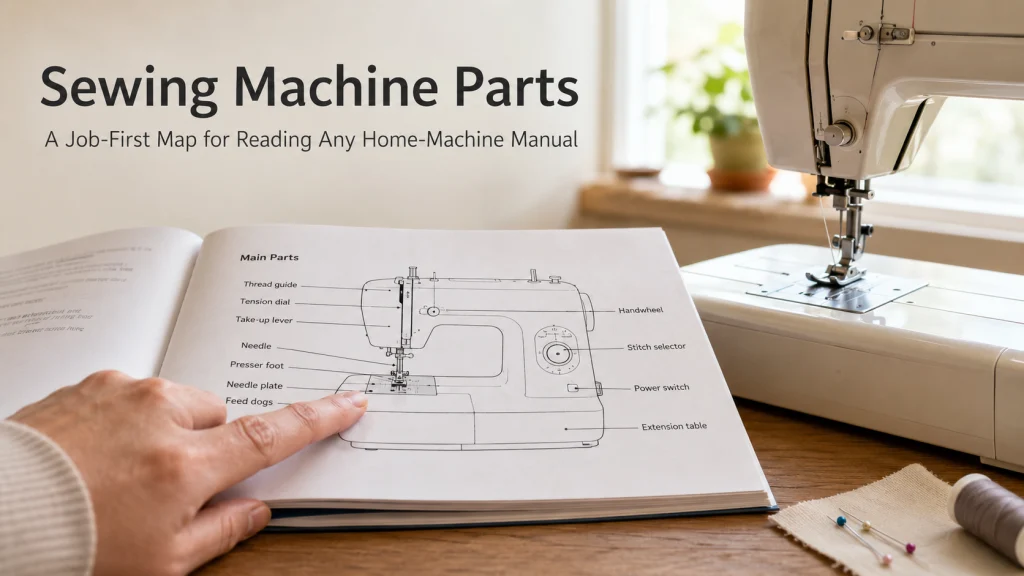
Learning sewing machine parts is easier when each label is tied to a job instead of memorized from one generic diagram. The useful questions are what system the part belongs to, whether it moves or controls something else, and whether the exact model manual treats it as owner-visible, owner-removable or service-only. That approach also prevents