Metal vs. Plastic Bobbins: Compatibility Comes Before Material Preference
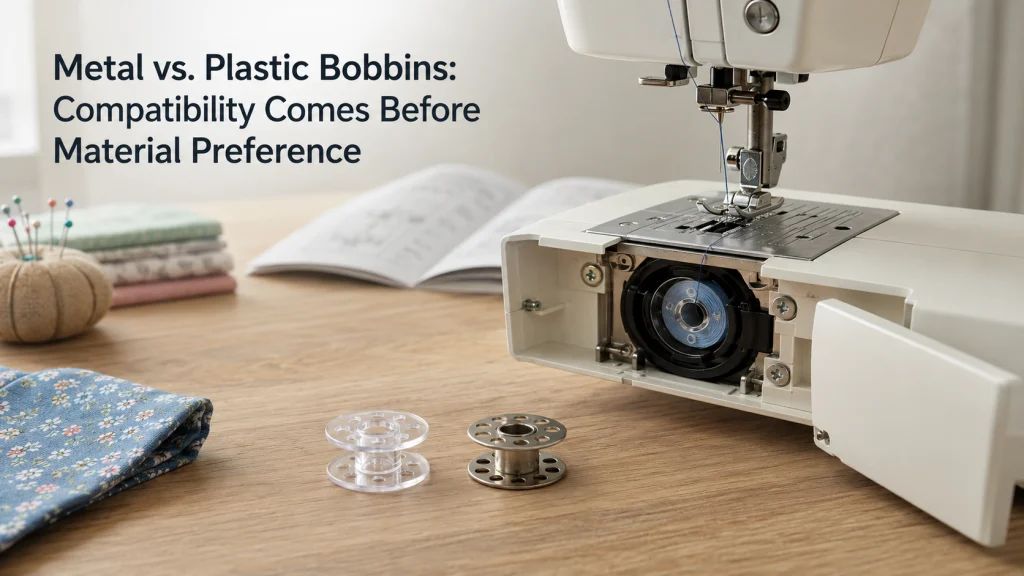
Metal Vs Plastic Bobbins

Metal and plastic bobbins should not be treated as interchangeable versions of the same part simply because the bobbin class appears to match. Some manufacturers specify plastic for particular machines, while others distinguish metal and transparent versions within the same nominal class. The safe buying order is to confirm the machine and bobbin class first,
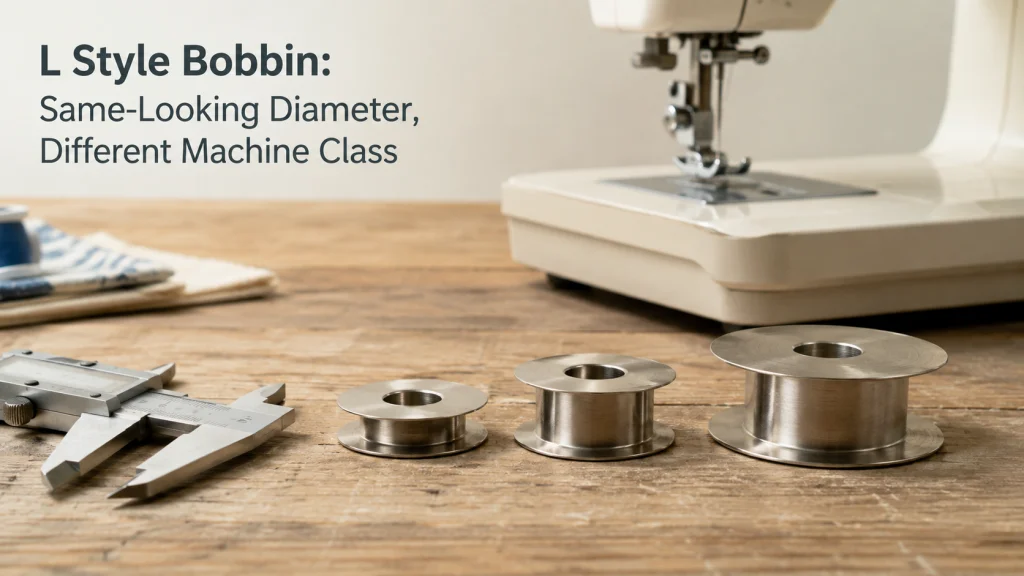
L Style Bobbin: Same-Looking Diameter, Different Machine Class

L Style Bobbin

An L-style bobbin can look deceptively close to a Class 15 bobbin from above, yet the two are not interchangeable simply because their diameters are similar. The reliable way to buy a replacement is to start with the exact machine model, then confirm the bobbin class or manufacturer part number before using dimensions as supporting

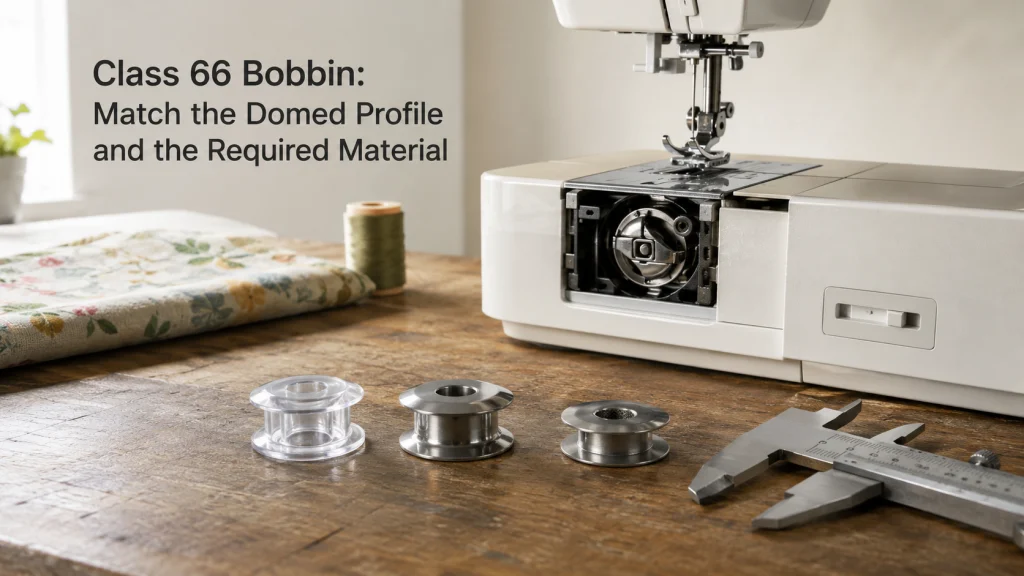
Class 66 Bobbin: Match the Domed Profile and the Required Material

Class 66 Bobbin

A Class 66 bobbin is identified by more than a familiar diameter or a curved silhouette. The exact machine must first call for Class 66, and the replacement must then match the material the machine requires, because transparent and metal Class 66 versions are not automatically interchangeable. Manufacturer documentation is the strongest fit evidence when

Class 15J Bobbin: Do Not Flatten It Into Plain Class 15

Class 15J Bobbin

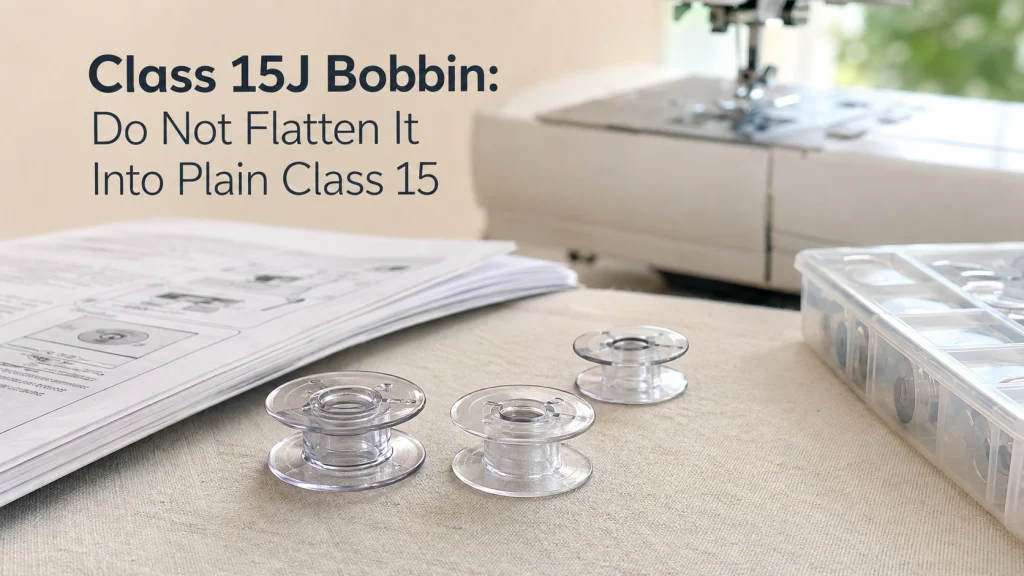
A Class 15J bobbin can look almost identical to a plain Class 15 bobbin, which is why visual guesses often create compatibility mistakes. The correct decision starts with the exact machine requirement, original bobbin label, or manufacturer documentation. A 15J label should be treated as a specific requirement, not flattened into a general Class 15

Are Sewing Machine Bobbins Universal? Prove the Class Before the Fit

Are Sewing Machine Bobbins Universal

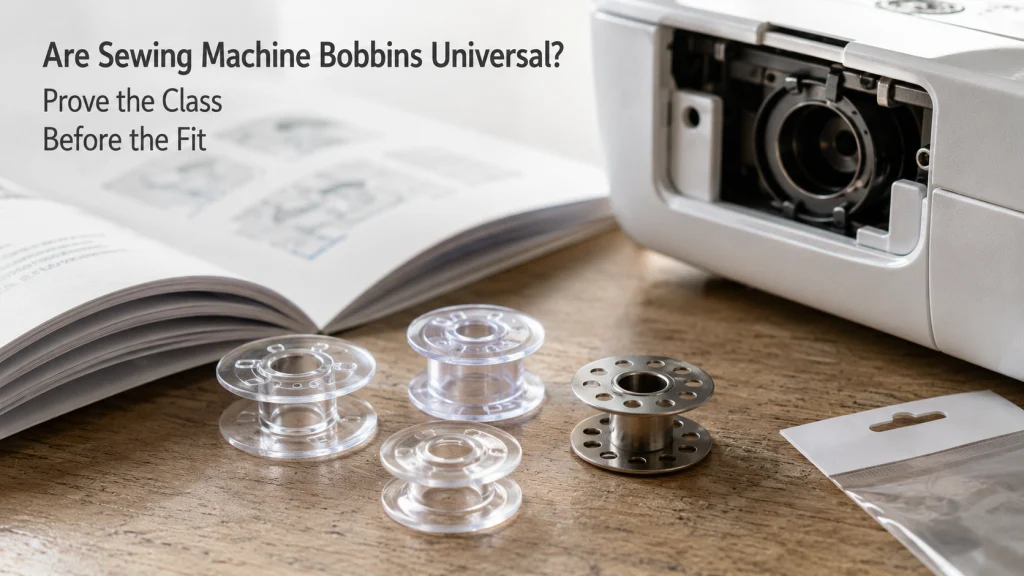
Sewing machine bobbins are not universal, and a bobbin that drops into the machine is not automatically the correct one. The safe purchase route is to start with the exact machine make and model, find the manufacturer-specified bobbin class or part number and material, then compare any replacement against that evidence. Diameter alone, brand alone,

Sewing Machine Bobbins: Match the Class, Material, and Case Before You Buy

Sewing Machine Bobbins

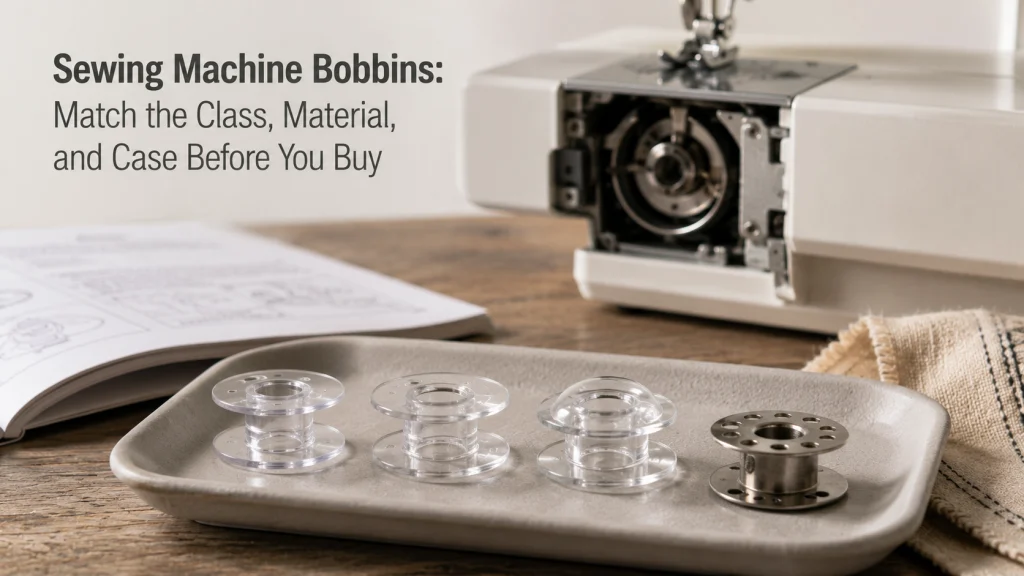
Sewing machine bobbins should be matched to the exact machine before you compare price, package quantity, material, or appearance. Class, profile, height, diameter, center bore, material, and the machine maker’s part number can all matter, and similar-looking bobbins are not automatically interchangeable. Use the exact model manual or manufacturer compatibility listing as the strongest evidence,

Schmetz vs Organ Needles: Match the System Before Comparing the Brand

Schmetz Vs Organ Needles

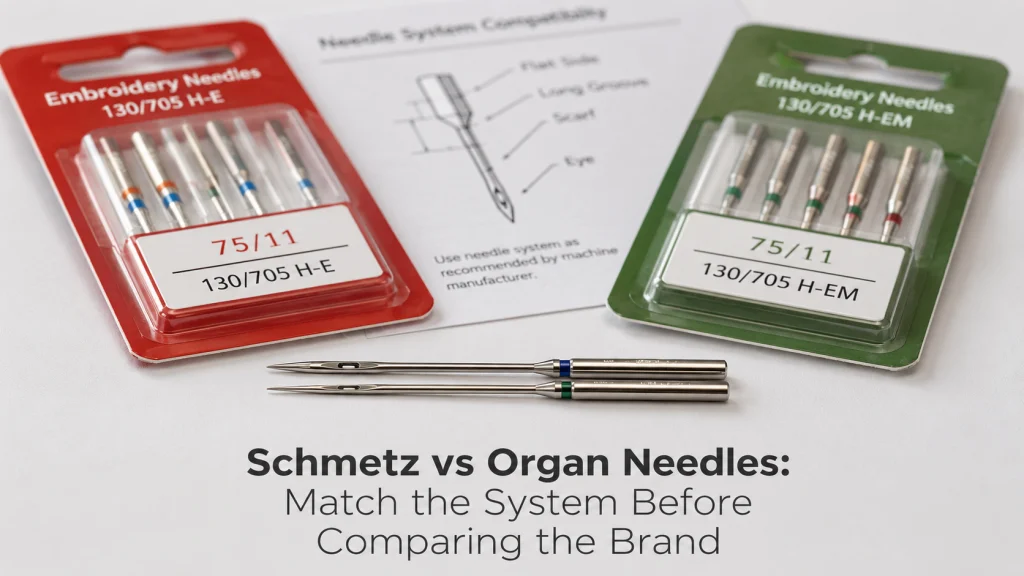
Schmetz vs Organ needles is not a meaningful comparison until the needle system, type, and size are already matched to the exact machine and sewing task. A machine manufacturer may name one product as factory-recommended, document another as an approved substitute, or permit more than one needle system on a specific model. Those statements prove

Can You Use a Twin Needle on Any Sewing Machine? Verify Model, Width, Plate, and Stitch Limits

Can You Use A Twin Needle On Any Sewing Machine

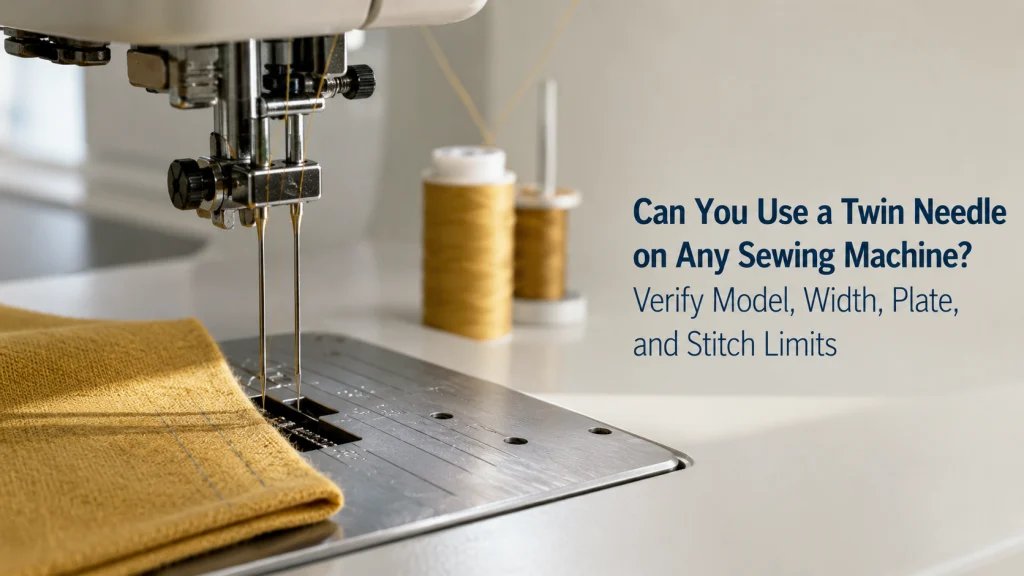
You cannot assume a twin needle will work on every household sewing machine just because the shank fits or the machine can sew a zigzag. Twin needle compatibility depends on explicit model support, the approved needle or spacing where specified, needle-plate and presser-foot clearance, permitted stitches, and any twin-needle setting or threading provision required by

Microtex Sewing Machine Needle: Know When the Sharp Product Is Actually Different

Microtex Needle

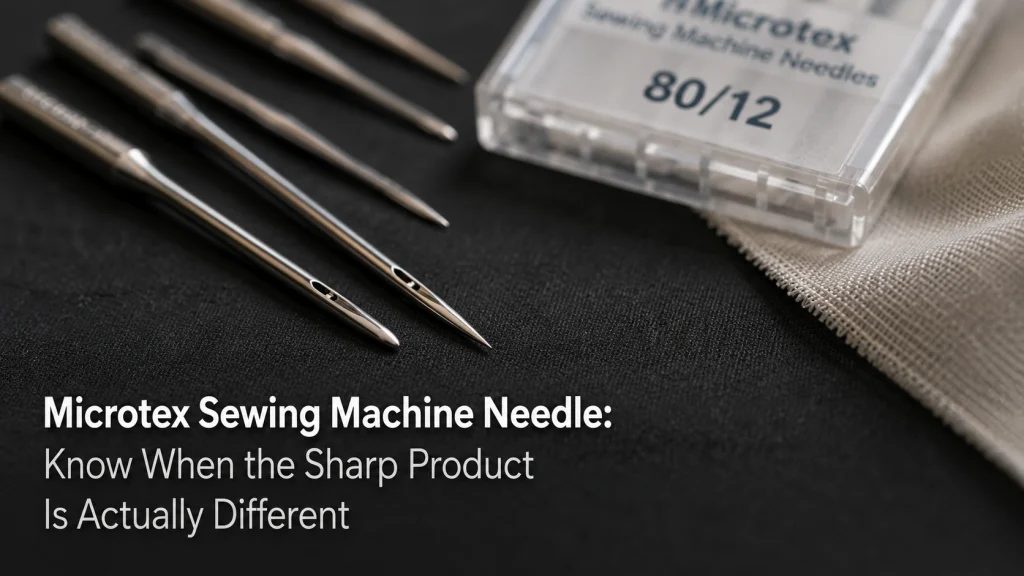
A Microtex needle is a household sewing-machine needle type defined by its system and slim acute point, not simply by the size number printed on the package. The practical buying decision is to verify that the needle system fits the exact machine, then decide whether that sharper point geometry matches the material structure or precision

Leather Sewing Machine Needle: Verify the Household System Before the Cutting Point

Leather Sewing Machine Needle

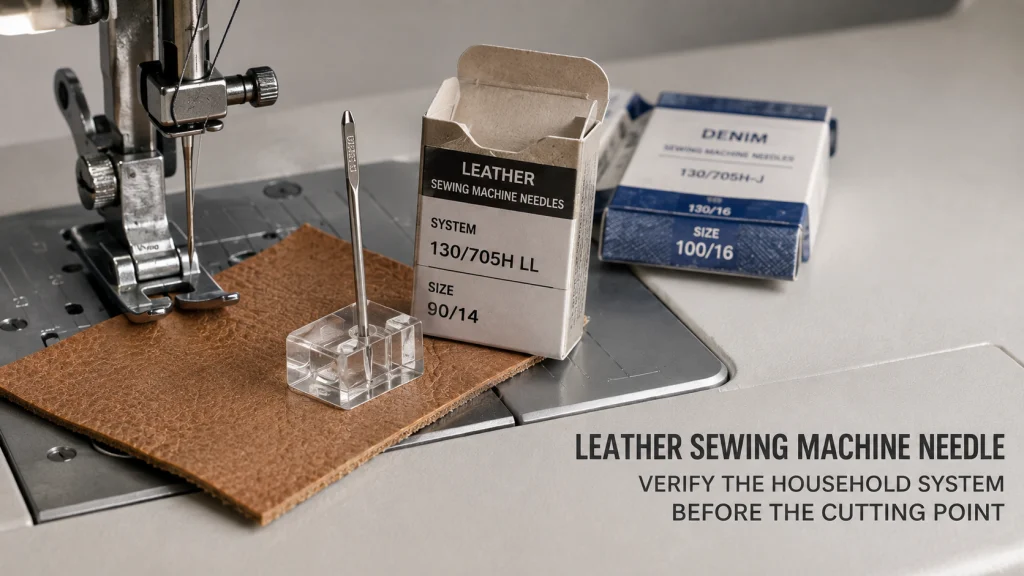
A leather sewing machine needle is not universal just because the package says Leather. For a general domestic machine, first match the needle system to the exact machine, then confirm that the chosen needle size is within the machine manufacturer’s permitted range. A household Leather needle such as SCHMETZ 130/705 H LL uses a cutting

Sewing Machine Needle for Denim: Choose the Product Type Before the Size Chart

Sewing Machine Needle For Denim

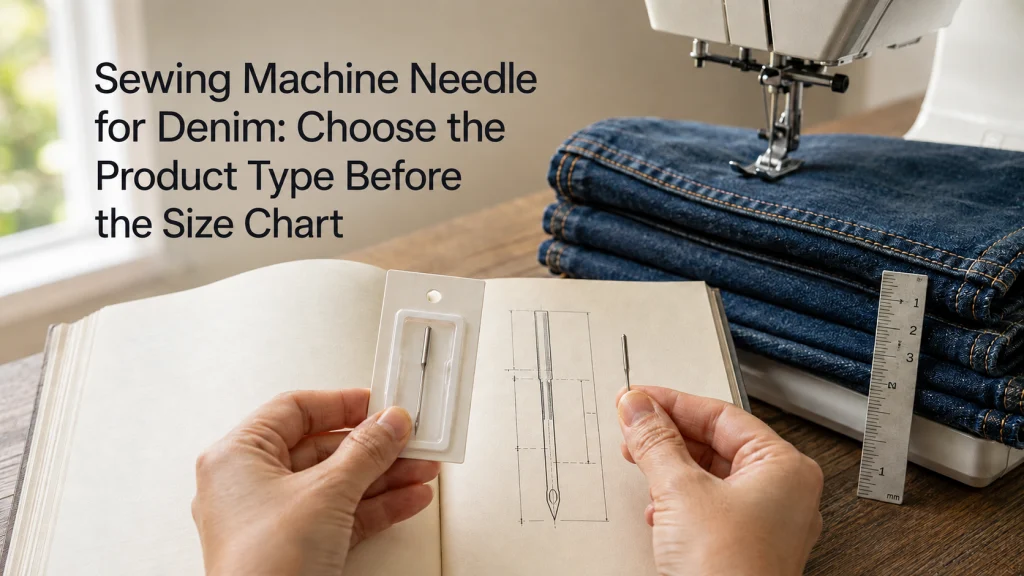
A sewing machine needle for denim should be chosen in two stages: first verify the needle system and product family, then size the needle from the actual fabric, thread, and layer stack. Denim and Jeans needles are documented as a distinct household needle type, but the word denim alone does not determine one universal blade

Topstitch Needles for Sewing Machines: Buy for the Thread Path, Not the Name Alone

Topstitch Needles For Sewing Machines

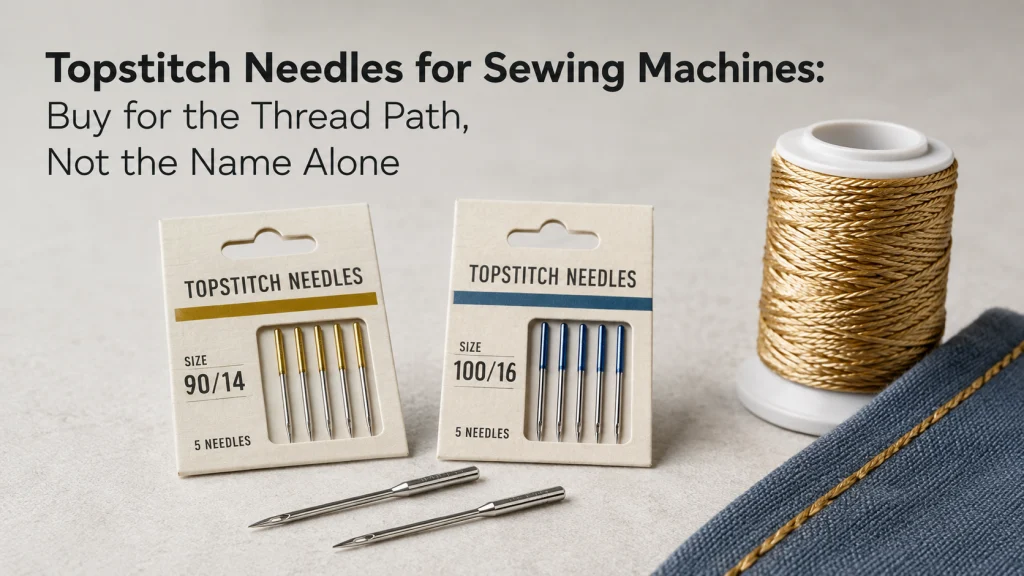
When I consider Topstitch needles for sewing machines, I start with the thread path rather than the product name. A documented Topstitch design uses a longer eye and a larger groove to give thicker, multiple, or specialty upper threads more room as they pass through the needle, while the exact needle system and size still

Quilting Needles for Sewing Machines: Verify the Needle Type Before the Quilt Technique

Quilting Needles For Sewing Machines

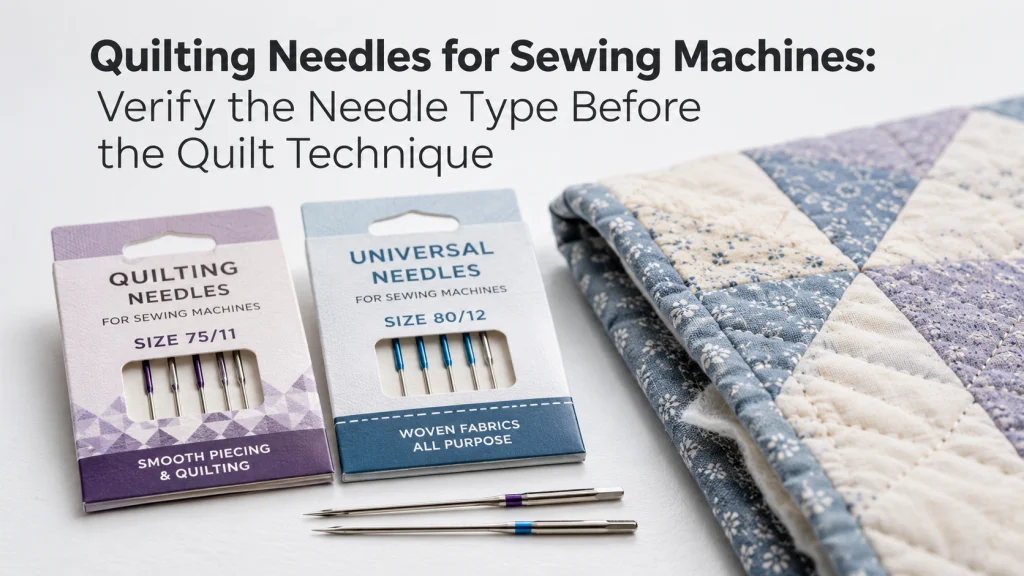
Choosing quilting needles for sewing machines starts with compatibility, not the project word on the package. A dedicated Quilting needle can be a sensible candidate, but the word Quilting does not prove that it will fit the machine or outperform every other needle family. The useful decision starts with the machine’s permitted needle system, then

Stretch Needle vs Jersey Needle: Compare the Eye and Scarf, Not Just the Ball Point

Stretch Needle Vs Jersey Needle

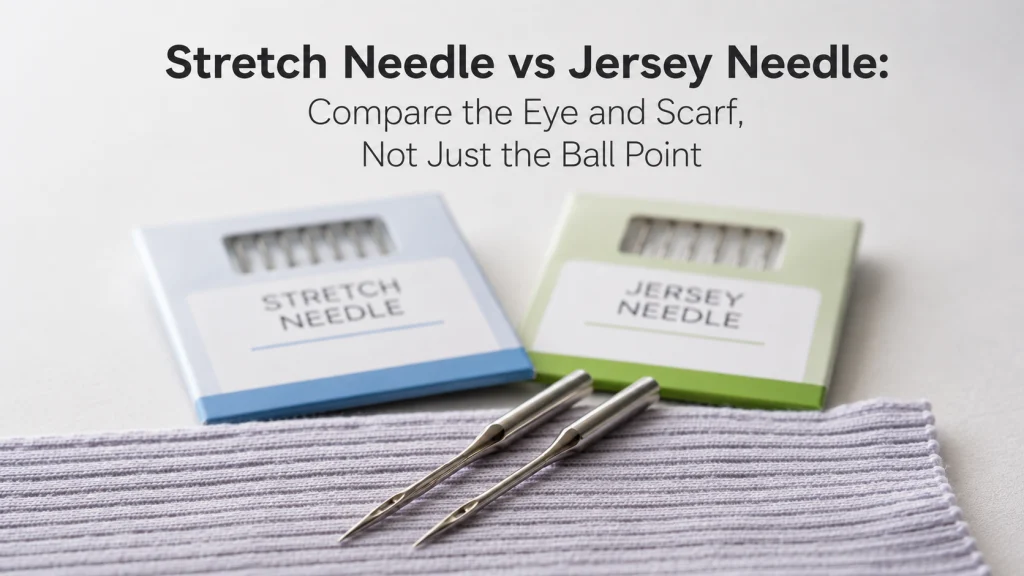
Jersey or Ball Point and Stretch needles can look almost interchangeable because their documented point shapes can be similar, but that similarity does not make the two product types identical. The useful purchase sequence is to confirm the needle system accepted by the exact machine, compare the documented eye and scarf geometry, then use the

Are Sewing Machine Needles Universal? Decode the System Before the Brand

Are Sewing Machine Needles Universal

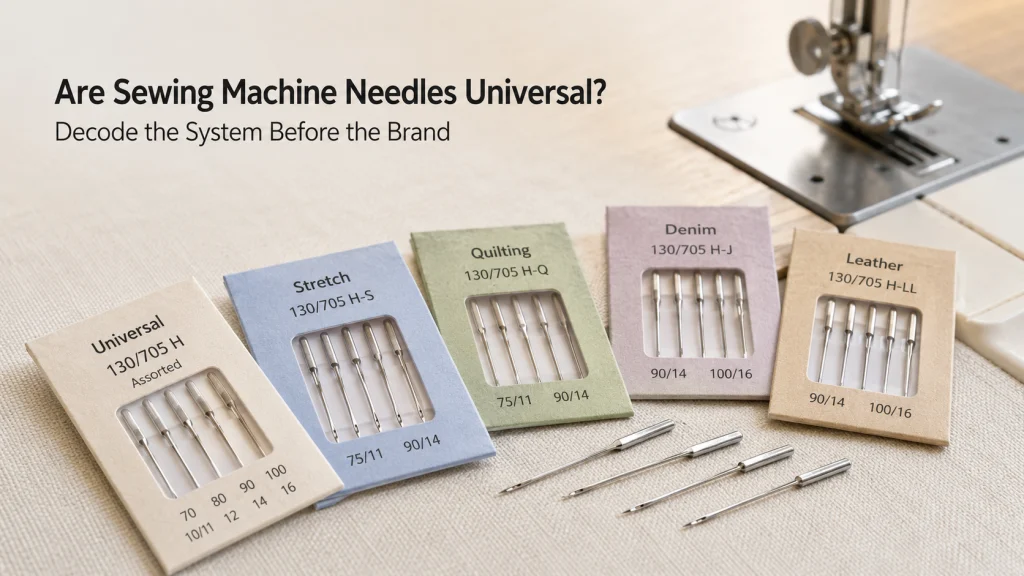
Most modern home sewing machines use a common household needle system, but that does not make every sewing-machine needle physically interchangeable. The reliable answer starts with the exact machine manual or support page, then matches the needle-system code on the package before type, size, or brand enters the decision. Codes such as 130/705 H, HAx1,

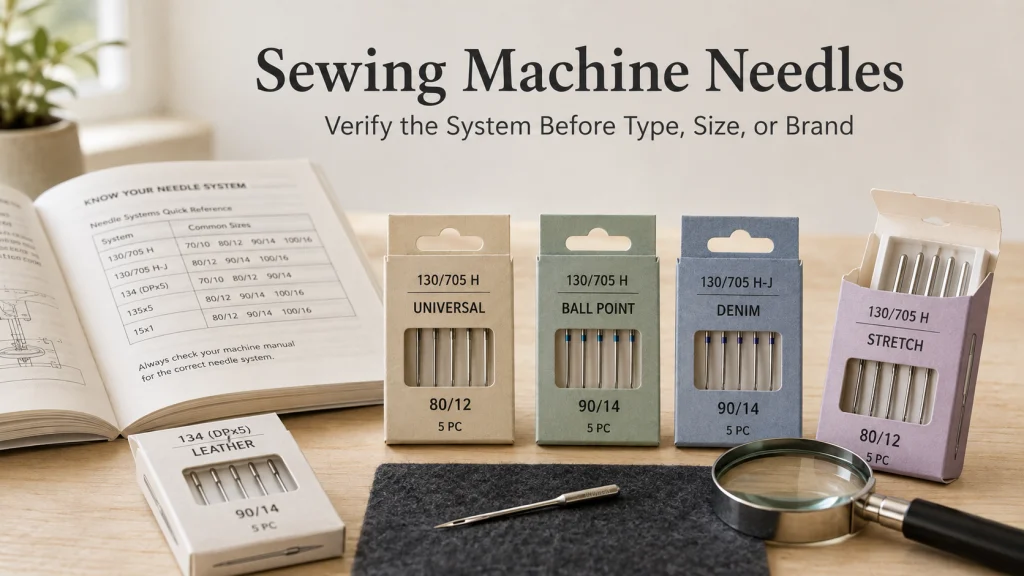
Sewing Machine Needles: Verify the System Before Type, Size, or Brand

Sewing Machine Needles

Sewing machine needles should be bought in a fixed order: verify the exact machine’s permitted needle system first, then check any special-format limits, needle type, allowed size, and brand. A fabric label such as Denim, Leather, Stretch, or Microtex describes application, but it does not prove that the needle physically belongs in a particular machine.