Stitch Applications vs Built In Stitches: Reconcile the Two Counts
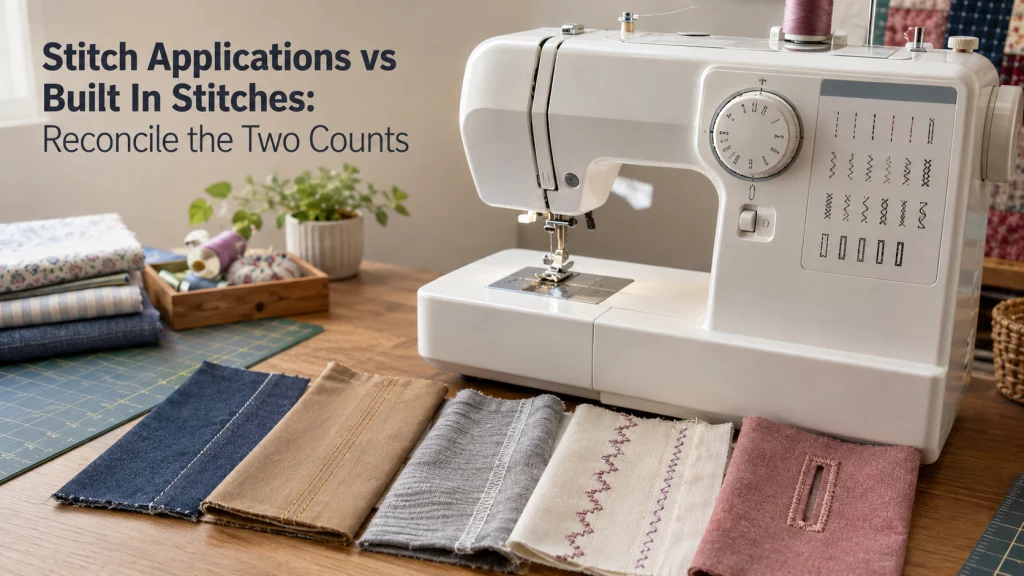
Stitch Applications Vs Built In Stitches

A sewing machine can publish a large stitch-application number and a much smaller built-in-stitch number without either figure being a typo. The two counts may measure different things, so the useful comparison is not the largest number on the feature sheet but what the manufacturer says each number includes. By tracing the product page, stitch
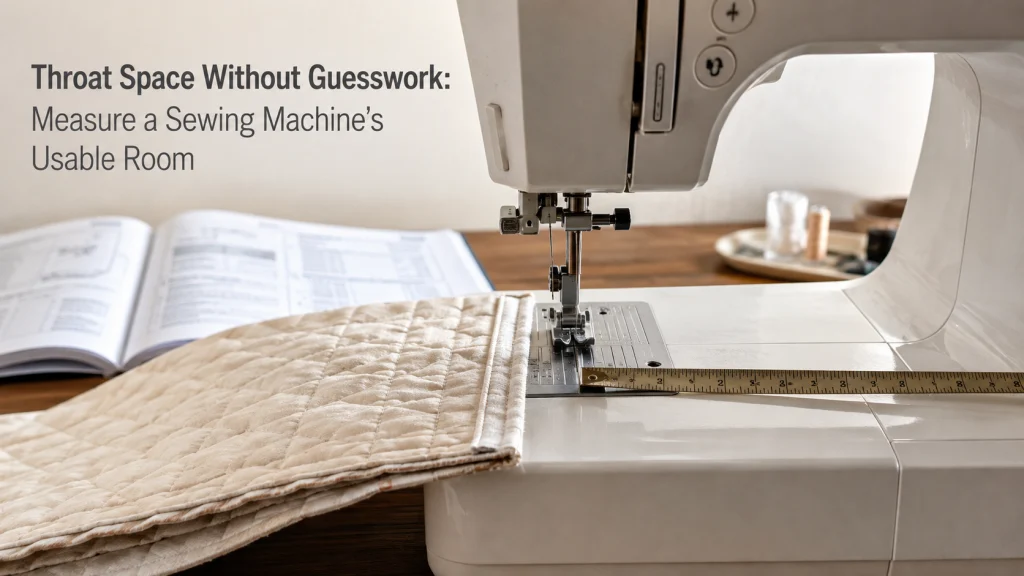
Throat Space Without Guesswork: Measure a Sewing Machine’s Usable Room

Sewing Machine Throat Space

Sewing machine throat space is a measurement that describes the room around the needle area, but the number alone does not always describe the same physical distance across brands. A useful comparison starts by identifying the exact measurement endpoints, separating horizontal clearance from vertical opening and support area, and recording what the manufacturer actually publishes

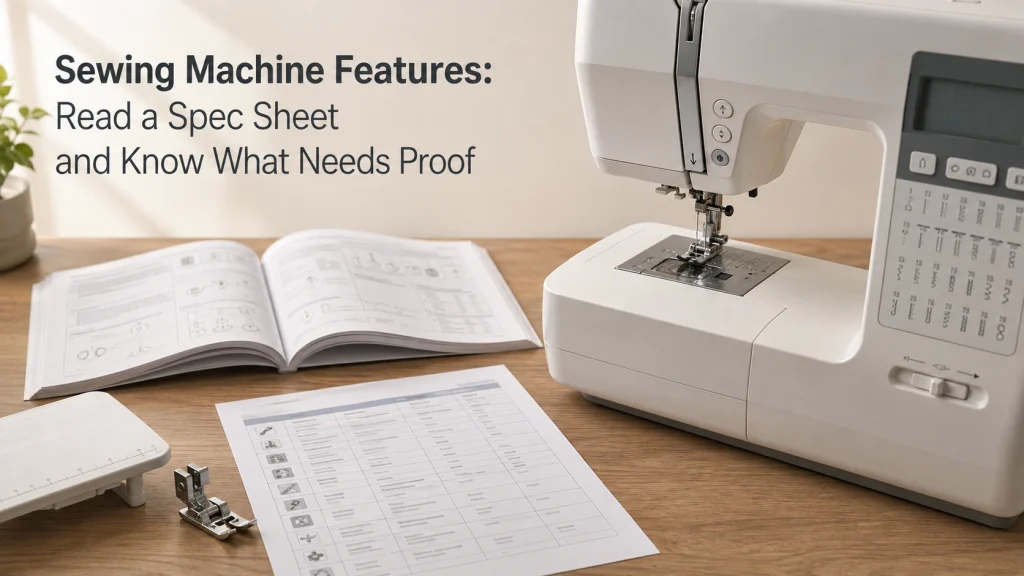
Sewing Machine Features: Read a Spec Sheet and Know What Needs Proof

Sewing Machine Features

A sewing-machine spec sheet becomes useful only when each line is translated into a job, measurement, control, included item, or claim that can be checked. Large stitch totals, high maximum speeds, and long feature lists are not automatically better because brands may count, label, and measure different things. The practical comparison starts by asking what

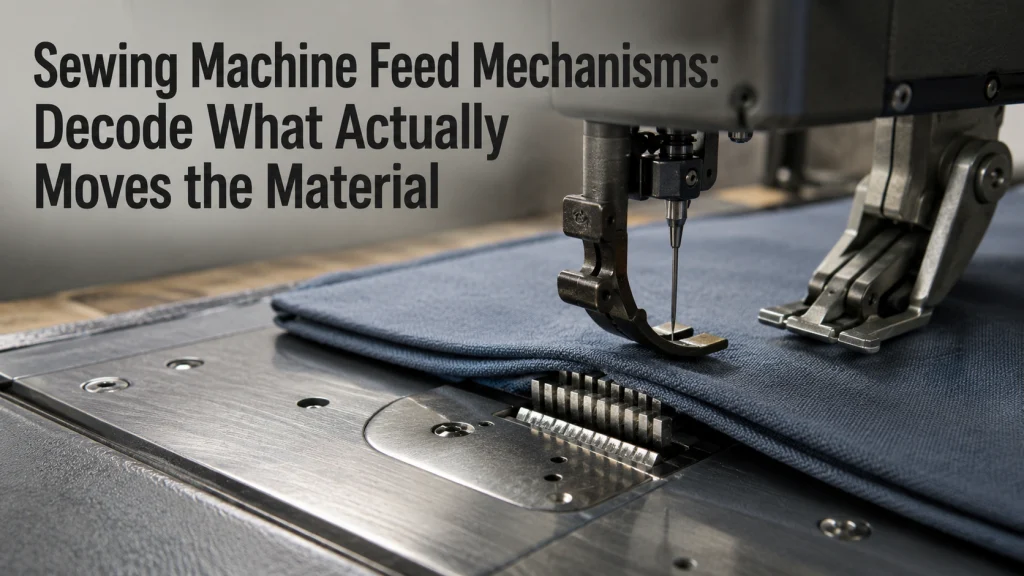
Sewing Machine Feed Mechanisms: Decode What Actually Moves the Material

Sewing Machine Feed Mechanisms

Sewing machine feed mechanisms make more sense when you stop comparing labels and start identifying which parts actually contact and move the material. A feed-dog count, needle-feed label, unison-feed specification, or domestic dual-feed feature can describe different layers of the transport system rather than competing versions of one feature. The practical way to read a