Pinking Shears: Choose the Zigzag Edge Tool Without Turning It Into a Seam-Finish Tutorial
Pinking Shears

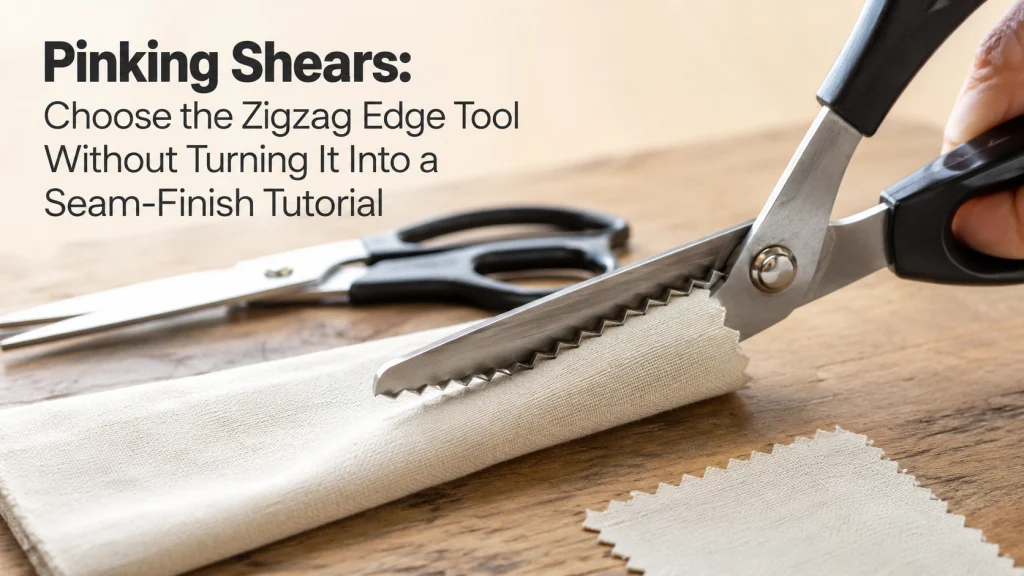
These fabric-cutting shears use saw-toothed blades that leave a zigzag edge, but buying the tool is not the same decision as choosing pinking as a seam finish. Start by confirming that you actually want that cut edge, then compare blade length, tooth pattern, fabric guidance, and maintenance requirements. Pinking can reduce fraying on suitable woven
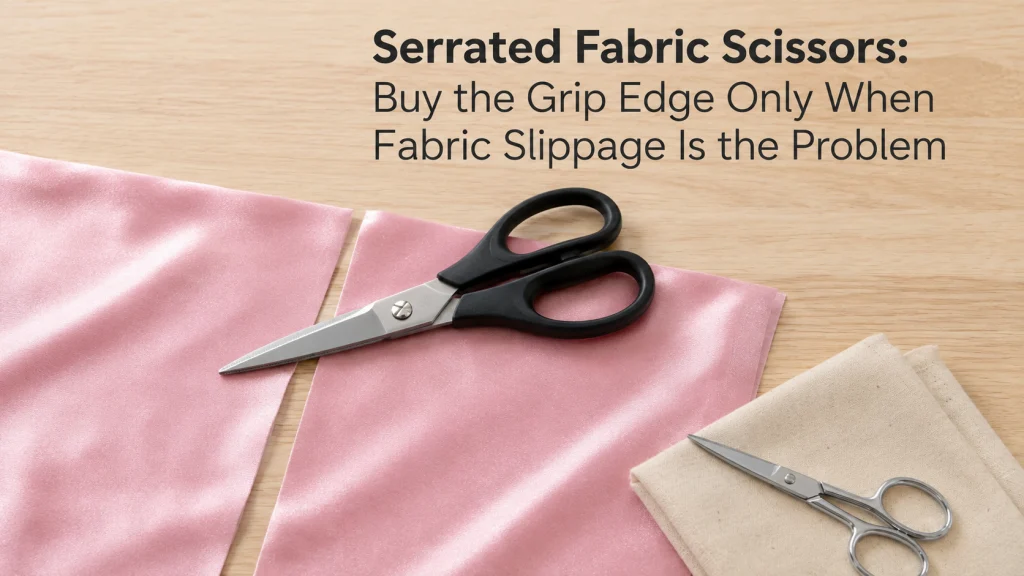
Serrated Fabric Scissors: Buy the Grip Edge Only When Fabric Slippage Is the Problem

Serrated Fabric Scissors

Serrated fabric scissors make sense when the unresolved cutting problem is fabric slipping away from a smooth edge. The useful feature is grip at the cutting edge, not a decorative zigzag finish and not a promise that every fabric will cut better. Before buying, verify which blade is serrated, how the maker describes the edge,

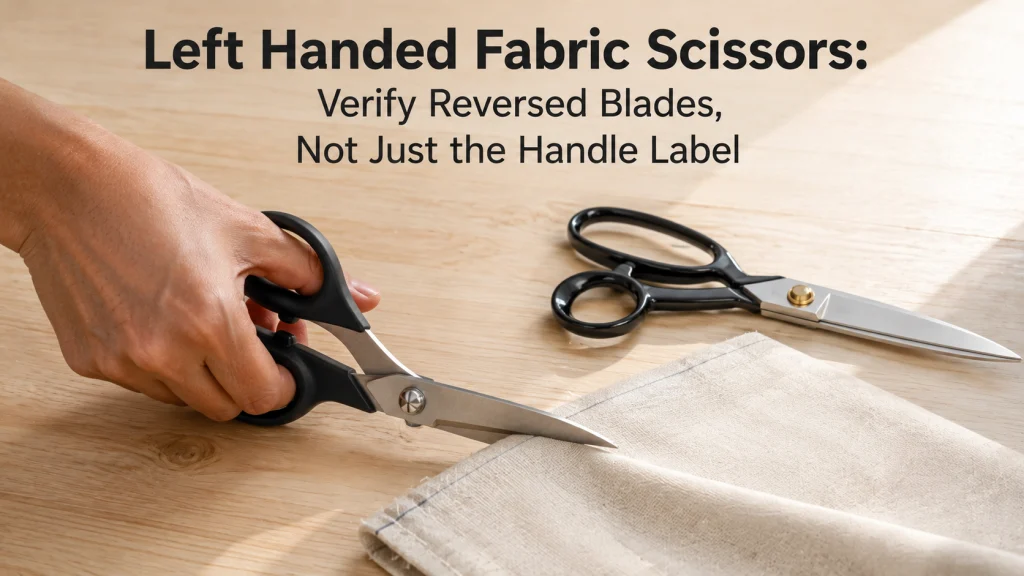
Left Handed Fabric Scissors: Verify Reversed Blades, Not Just the Handle Label

Left Handed Fabric Scissors

Left handed fabric scissors are not all built the same way. A handle that accepts the left hand does not automatically mean the blades are reversed, and that difference changes what the product can legitimately claim about left-handed cutting geometry. Before buying, verify the blade arrangement, handle shape, size, and stated fabric-cutting role on the

Fabric Shears vs Scissors: Compare the Tool Geometry, Not Just the Name

Fabric Shears Vs Scissors

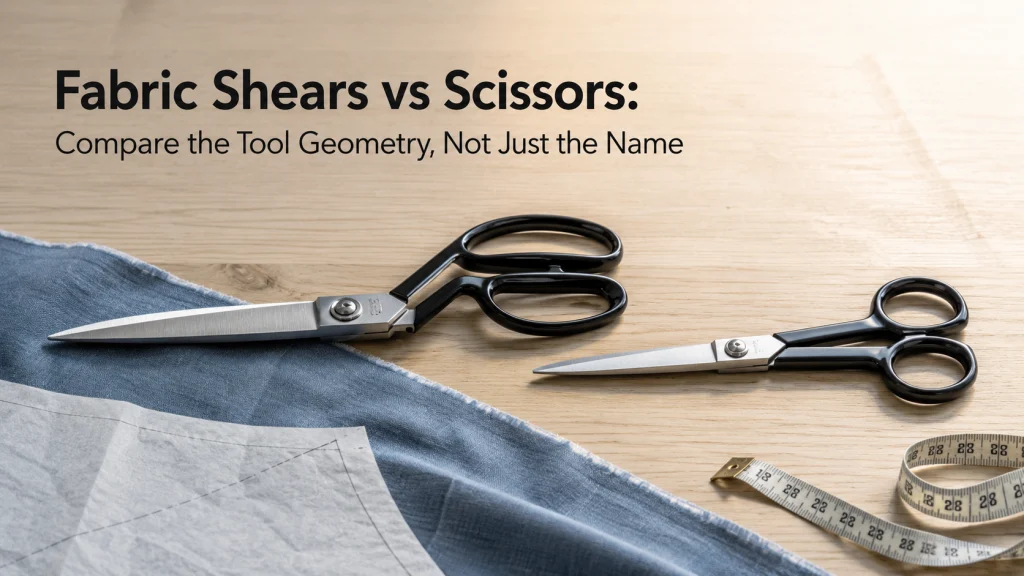
Fabric shears vs scissors is not a clean dictionary split because current sewing-tool catalogs use both words for overlapping products. The more useful comparison is physical: blade reach, handle geometry, how low the cutting edge can stay over a table, and whether the tool is sized for long pattern cuts or smaller trimming work. Exact

Fabric Scissors: Choose the Main Cutting Pair by Blade, Handle, and Cut

Fabric Scissors

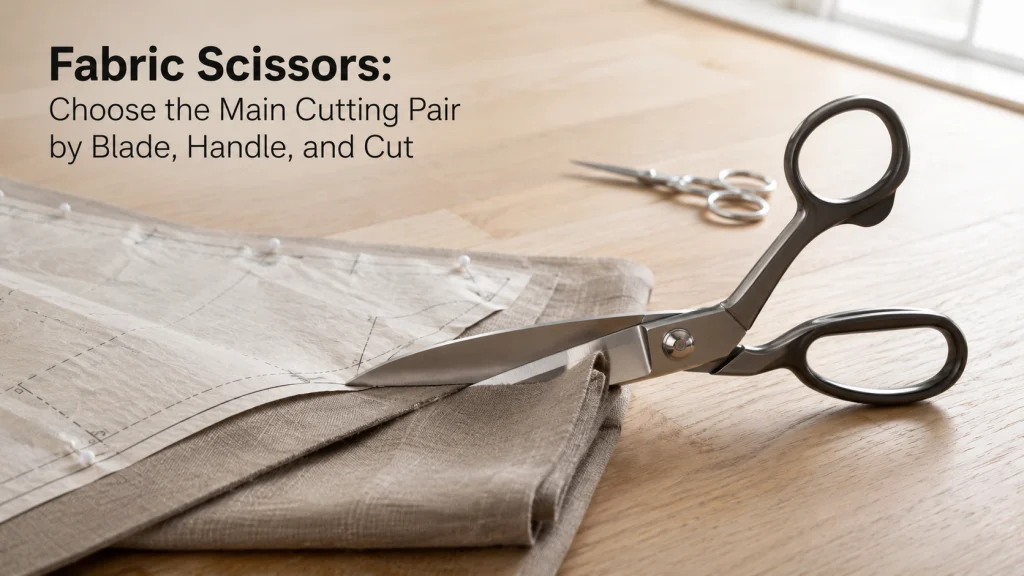
Your main fabric-cutting pair should be chosen around the cuts you make most often, not around the longest feature list on the package. For a main manual cutting pair, blade length, tip shape, handle form, handedness, and edge type matter because they change how the tool meets fabric and how easily you can follow long