How to Clean a Self Healing Cutting Mat: Follow the Mat Maker Before Internet Soaking Hacks
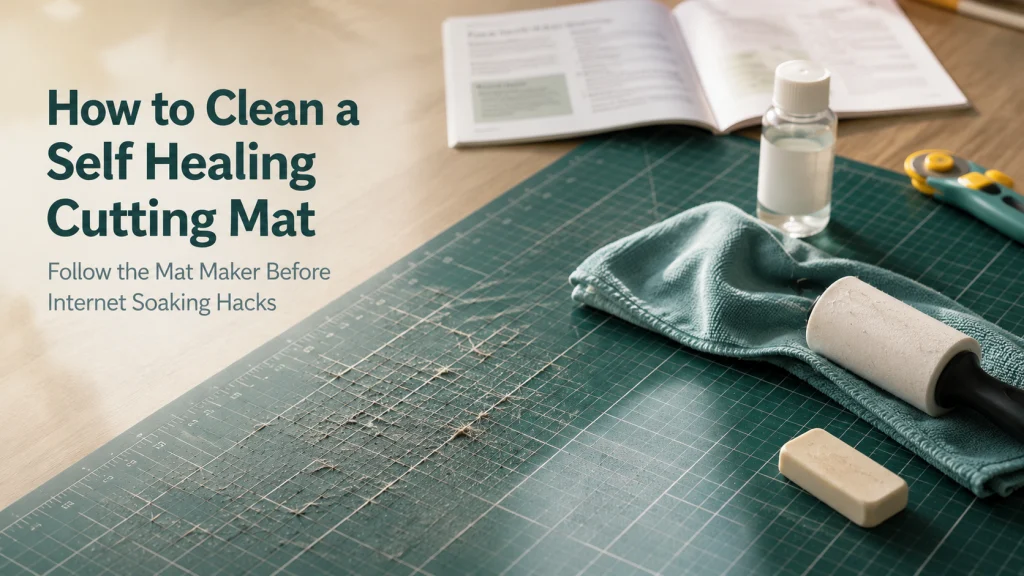
How To Clean Self Healing Cutting Mat

A self-healing cutting mat should be cleaned according to the instructions for the mat you own, not a generic soaking recipe copied from elsewhere. Start with dry debris removal, use only the cleaner and moisture level the maker approves, and treat fibers in cut lines with methods the maker specifically supports. Keep the mat flat
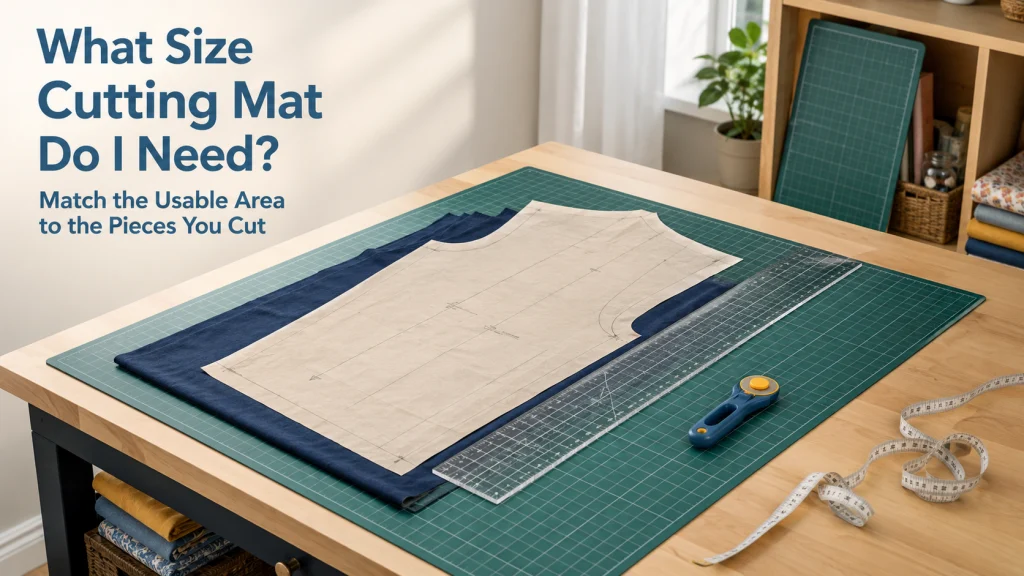
What Size Cutting Mat Do I Need? Match the Usable Area to the Pieces You Cut

What Size Cutting Mat Do I Need

The right cutting mat size is the one that supports the pieces you cut most often without forcing the fabric, ruler, or cutter off the usable surface. Start with the dimensions of your recurring cutting tasks, then compare that footprint with the flat support and storage space you actually have. A larger mat can reduce

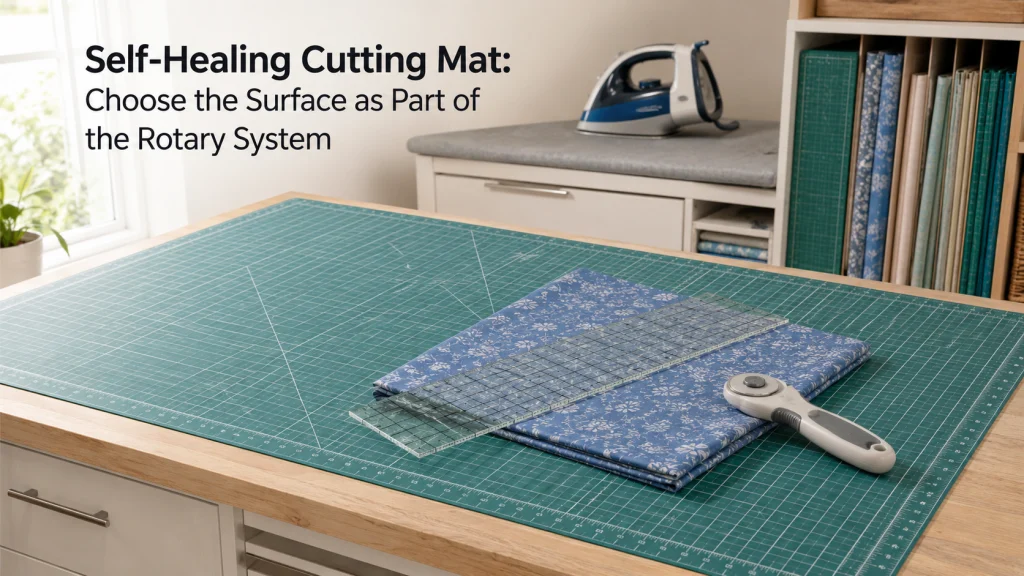
Self Healing Cutting Mat: Choose the Surface as Part of the Rotary System

Self Healing Cutting Mat

A self healing cutting mat is not just a disposable shield for the table beneath it. In a rotary cutting setup, the mat is the surface that supports the blade path, the ruler position, the fabric, and the repeated cuts that follow. The useful buying checks are whether the mat is intended for rotary cutting,

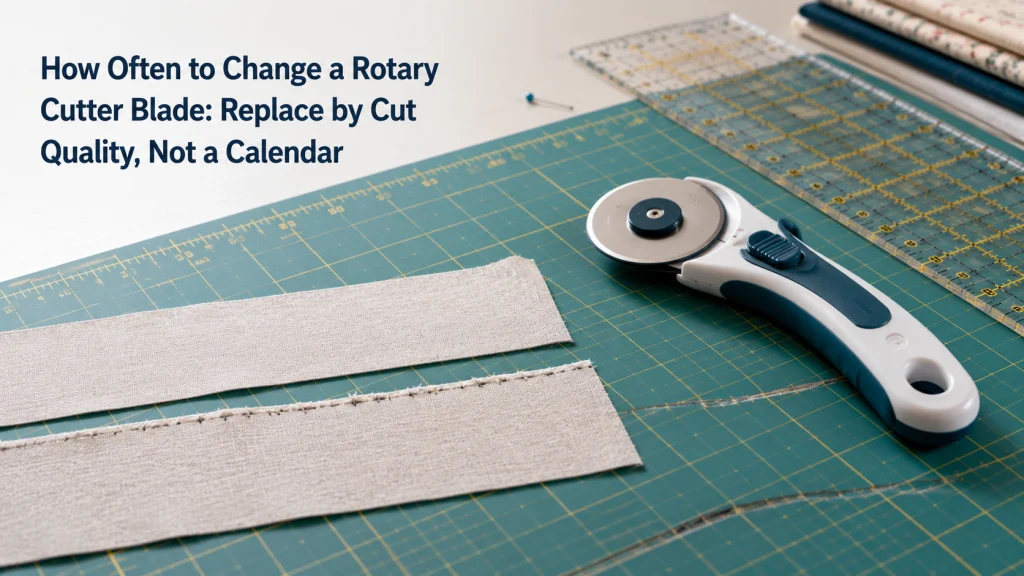
How Often to Change a Rotary Cutter Blade: Replace by Cut Quality, Not a Calendar

How Often To Change Rotary Cutter Blade

Rotary cutter blades do not have one reliable replacement interval because wear depends on the material being cut, the cutting surface, accidental contact with hard objects, and how the cutter is used. The strongest signs are declining cut quality, skipped fibers or sections, and a need for more pressure than the same task normally requires.

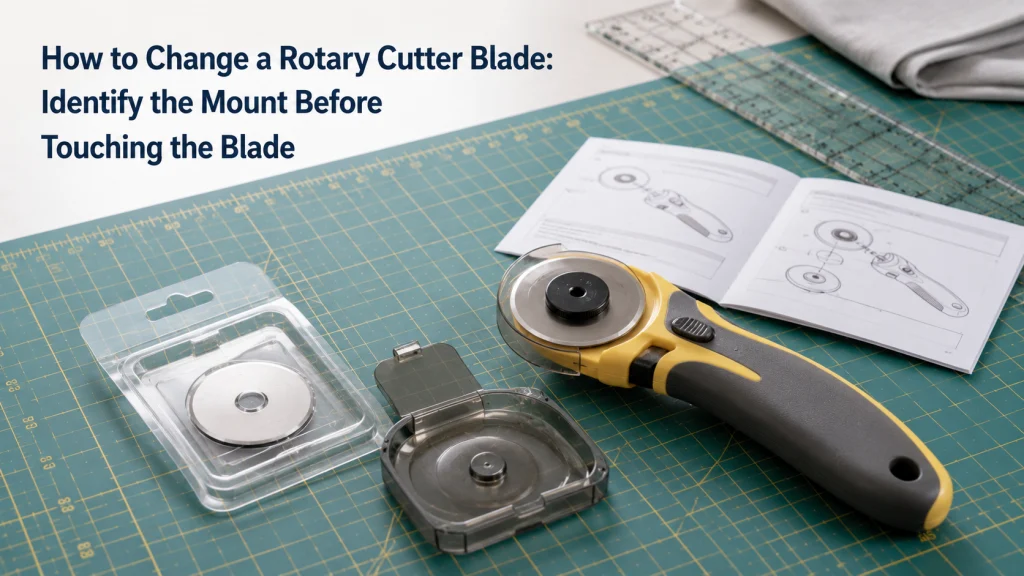
How to Change a Rotary Cutter Blade: Identify the Mount Before Touching the Blade

How To Change Rotary Cutter Blade

Changing a rotary cutter blade safely starts with identifying the exact cutter and its center mounting system, not with copying a generic disassembly sequence. Standard screw-fastened cutters, magnetic quick-change systems, and other designs can expose and secure the blade in different ways. This article shows how to route the job to the correct manufacturer instructions,

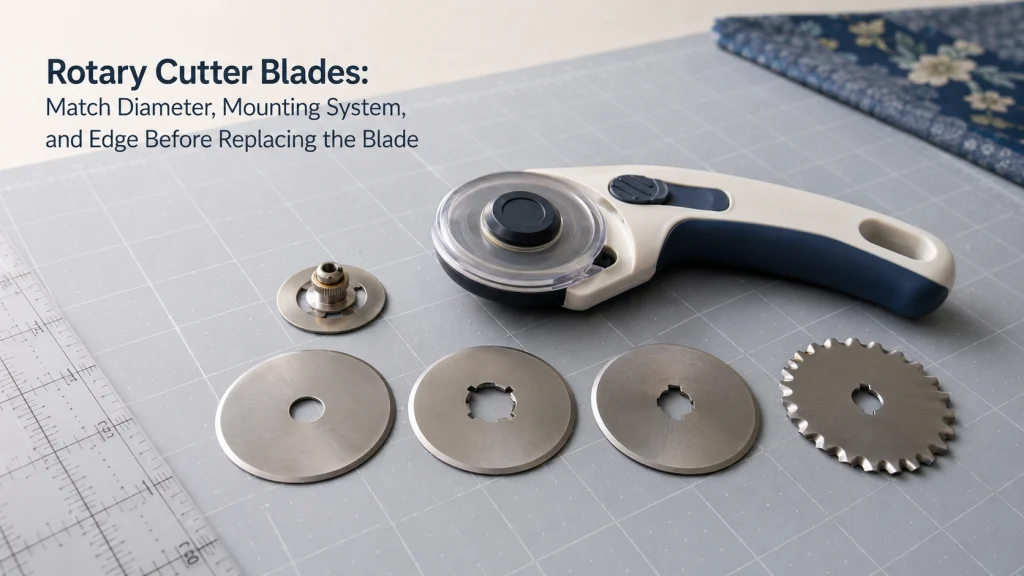
Rotary Cutter Blades: Match Diameter, Mounting System, and Edge Before Replacing the Blade

Rotary Cutter Blades

Rotary cutter blades are not interchangeable simply because the diameter printed on the package matches the blade already in your cutter. A reliable replacement decision starts with the exact cutter model, then checks blade diameter, center mounting geometry, and edge type against manufacturer or exact seller documentation. Straight and specialty edges should be treated as

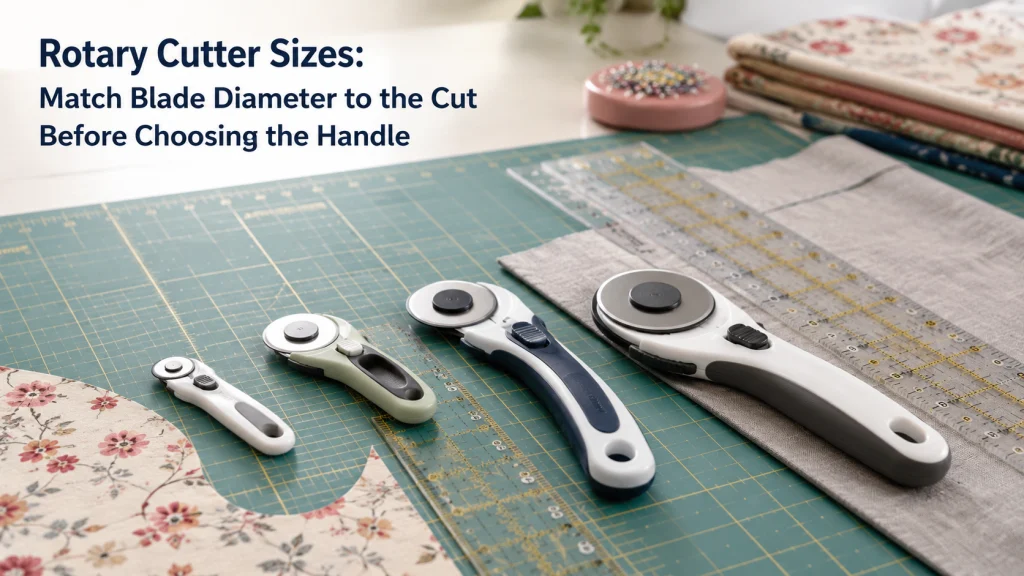
Rotary Cutter Sizes: Match Blade Diameter to the Cut Before Choosing the Handle

Rotary Cutter Blades

Rotary cutter sizes change how easily a blade follows curves, crosses long straight paths, and works within the material limits documented for a particular cutter. Bigger is not automatically better: smaller diameters suit tighter geometry, while larger diameters are more at home on broad, continuous cuts. For many sewing tasks, 45mm sits in the middle

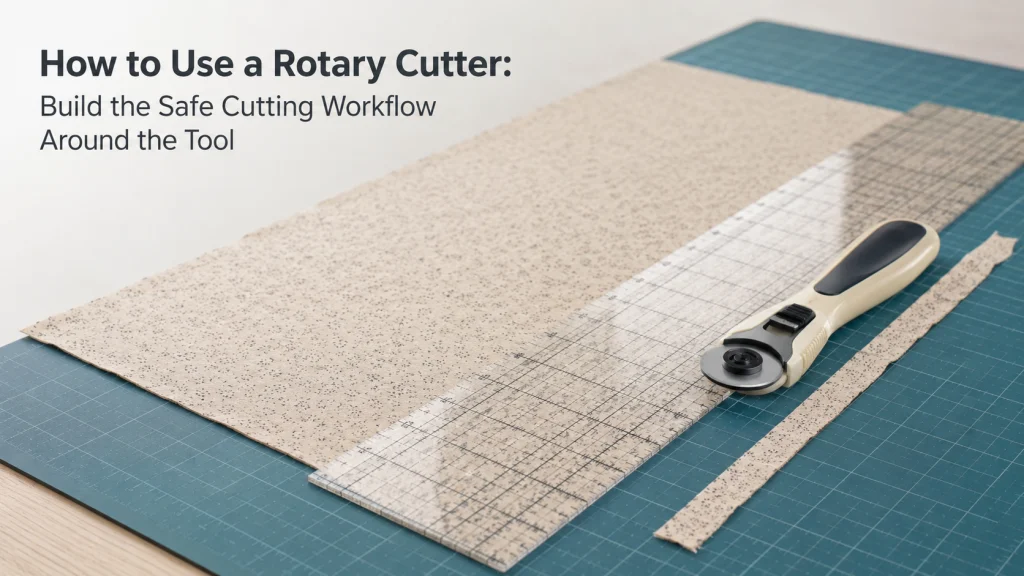
How to Use a Rotary Cutter: Build the Safe Cutting Workflow Around the Tool

How To Use A Rotary Cutter

A rotary cutter works safely and accurately as part of a cutting system: the cutter, its blade control, a stable self-healing mat, and a rigid ruler all have separate jobs. The correct workflow is to identify how the exact cutter exposes and covers its blade, clear the cutting path, keep the supporting hand away from

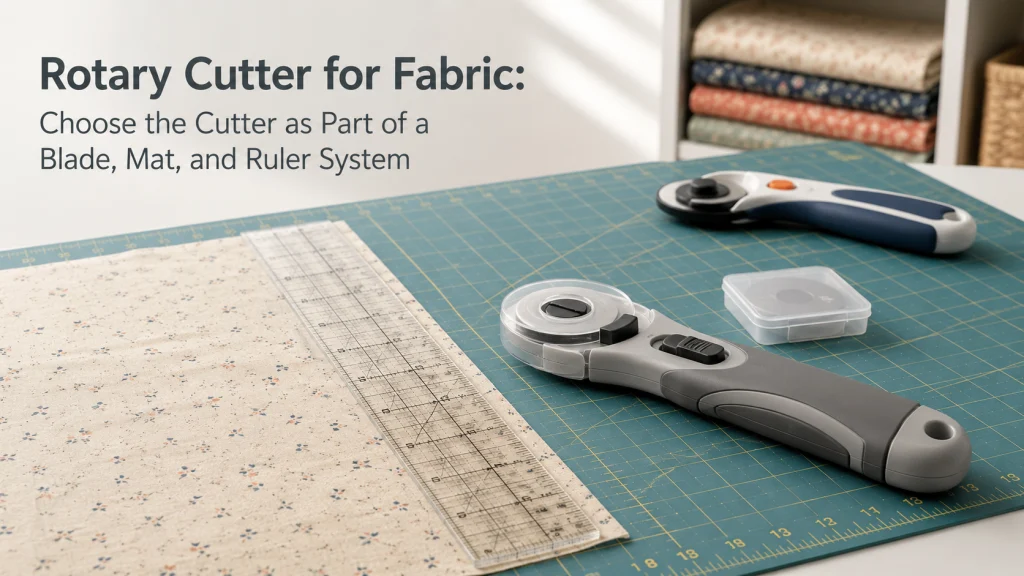
Rotary Cutter for Fabric: Choose the Cutter as Part of a Blade, Mat, and Ruler System

Rotary Cutter For Fabric

A rotary cutter for fabric should be chosen as part of a cutting system, not as an isolated handle. Blade diameter, blade mounting design, guard or retraction mechanism, replacement-blade compatibility, cutting mat, and ruler all affect whether the tool fits the work you plan to do. The goal is to choose the cutter body only

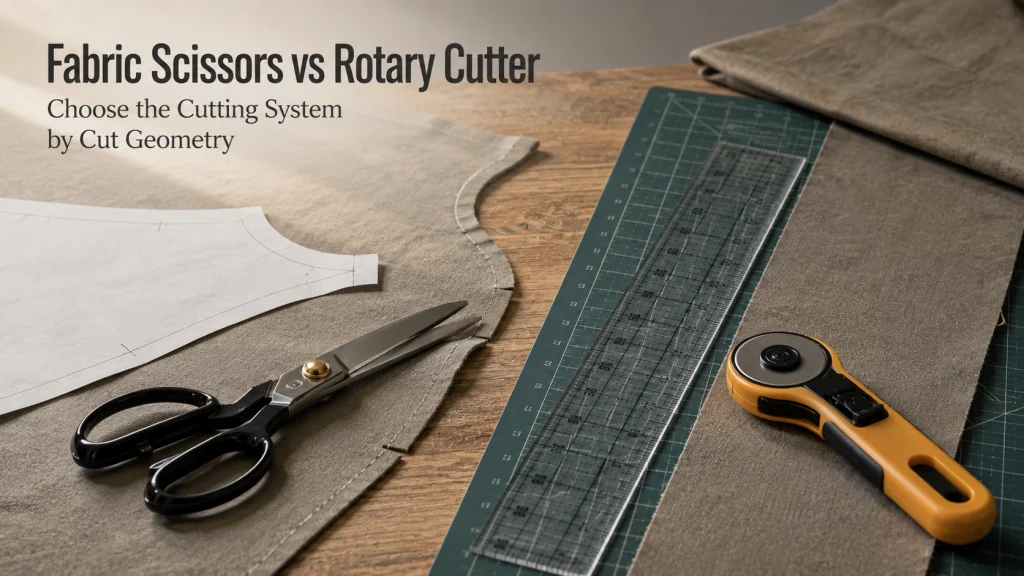
Fabric Scissors vs Rotary Cutter: Choose the Cutting System by Cut Geometry

Fabric Scissors Vs Rotary Cutter

Fabric scissors vs rotary cutter is not a universal winner-takes-all comparison. Scissors lift and shear the fabric between two blades, while a rotary cutter rolls a circular blade across fabric that stays supported on a cutting mat. That difference changes how each system handles curves, notches, ruler-guided straight cuts, workspace, and replacement-blade ownership. Choose by

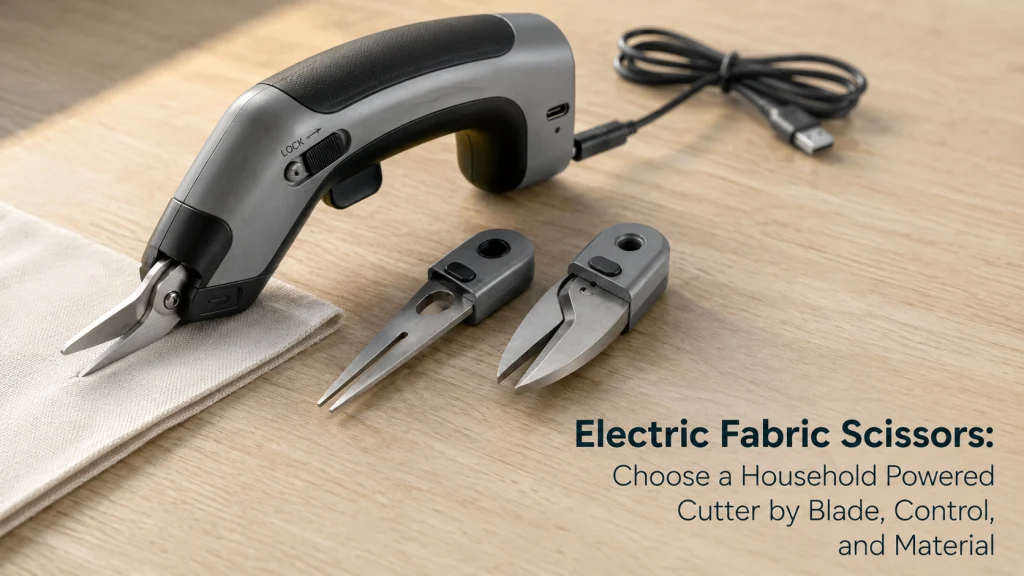
Electric Fabric Scissors: Choose a Household Powered Cutter by Blade, Control, and Material

Electric Fabric Scissors

Electric fabric scissors are a household powered cutting tool, not a miniature industrial cutting machine. The useful comparison starts with the blade actually supplied for fabric, the materials the manufacturer supports, the trigger and guard design, and the charging or battery system. Powered cutting can reduce how much of the cutting motion comes from repeated

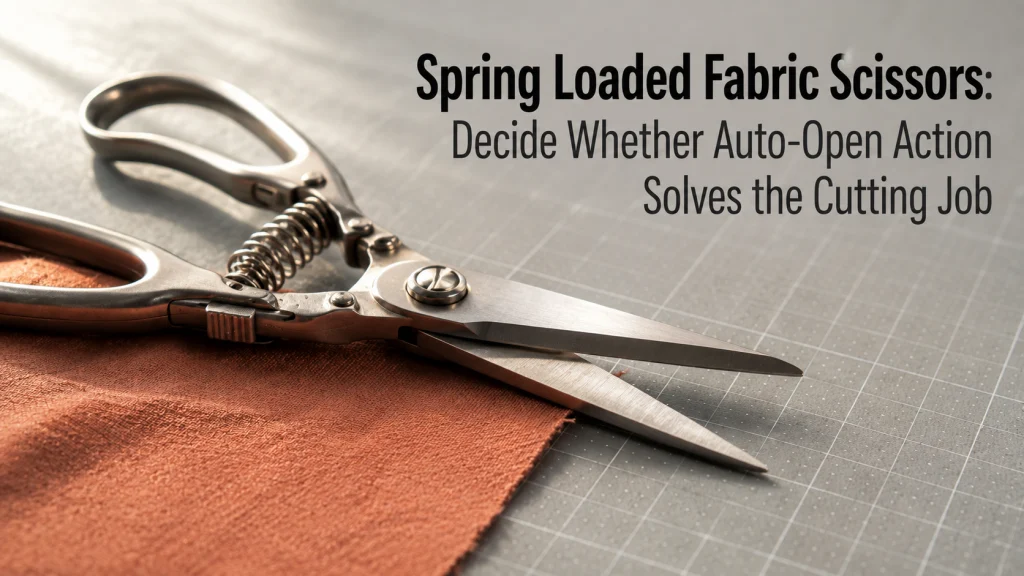
Spring Loaded Fabric Scissors: Decide Whether Auto-Open Action Solves the Cutting Job

Spring Loaded Fabric Scissors

Spring loaded fabric scissors add one main mechanical change to ordinary fabric scissors: a spring reopens the handles and blades after each cut. That auto-open action can matter when repeated reopening is the part of cutting you want the tool to handle, but it does not replace the need to judge blade quality, cutting length,