Sewing Machine Stitch Problems: Read the Thread, Needle, Bobbin and Stitch Evidence Before You Touch the Tension
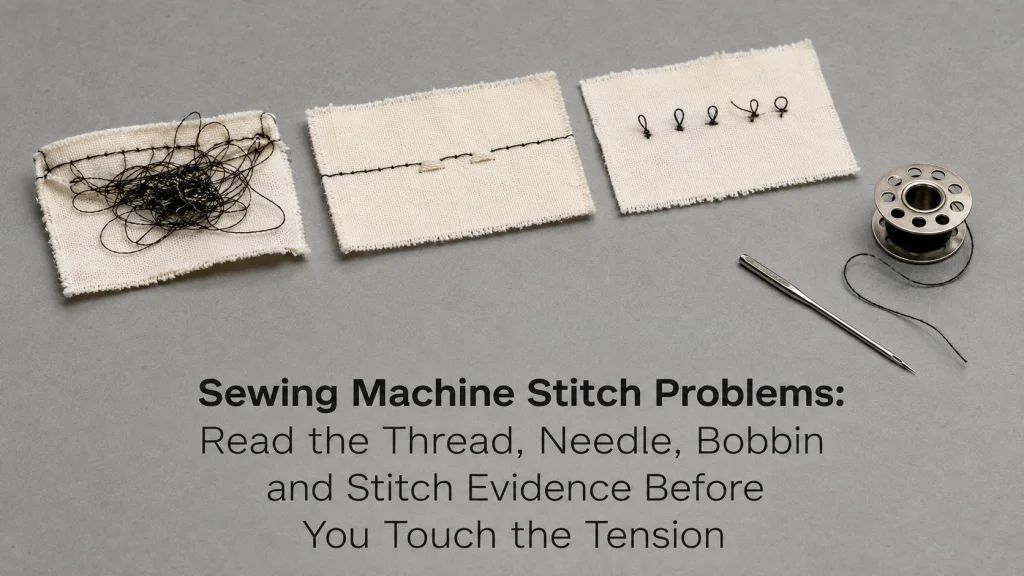
Sewing Machine Stitch Problems

Sewing machine stitch problems are easier to diagnose when you start with the visible failure instead of turning the tension control first. A skipped stitch, thread nest underneath, bobbin thread pulled to the top, snapped upper thread, failed bobbin pickup, or broken needle points to a different first check. Return the machine to its documented
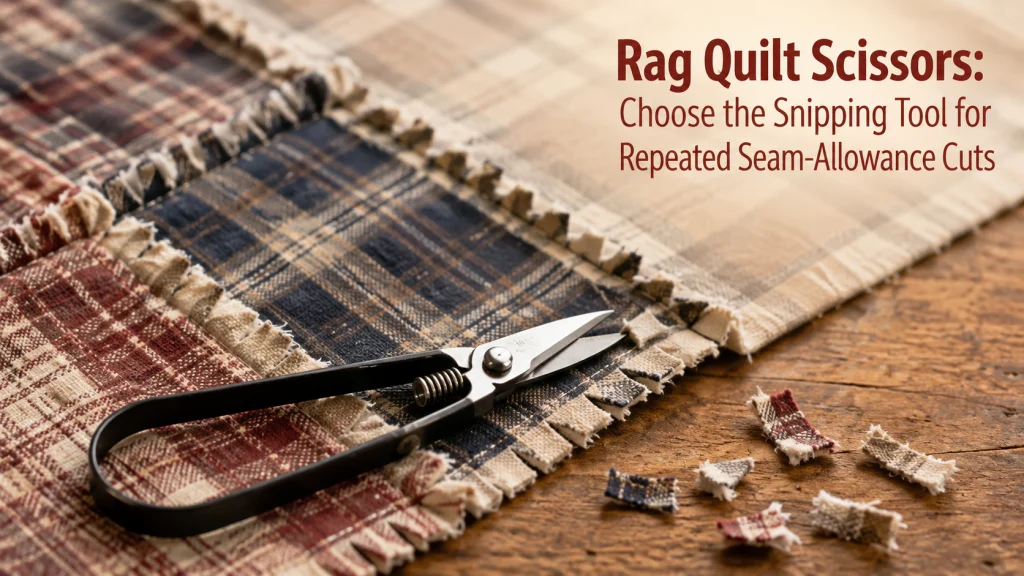
Rag Quilt Scissors: Choose the Snipping Tool for Repeated Seam-Allowance Cuts

Rag Quilt Scissors

Rag quilt scissors are useful when the job is dominated by many short, controlled snips rather than long fabric cuts. The important differences are blade length, tip shape, spring action, and whether the tool can repeatedly enter the seam allowance without encouraging an overlong cut. Ordinary fabric scissors can still work, especially for an occasional

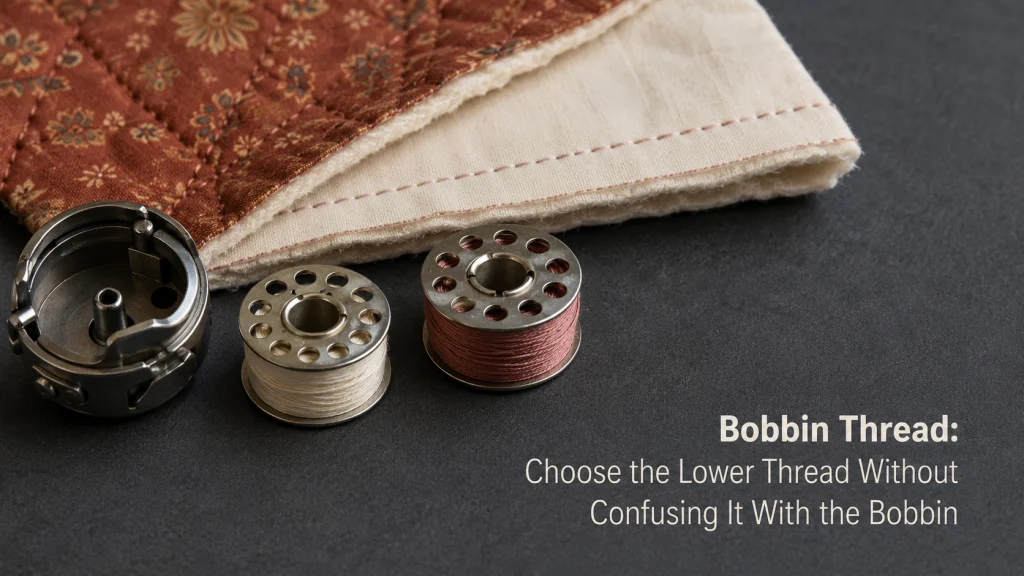
Bobbin Thread: Choose the Lower Thread Without Confusing It With the Bobbin

Bobbin Thread

Bobbin thread is the lower thread carried on a bobbin that already fits the machine. The best choice depends on what the lower side of the stitch should look like, the thread fiber and size the machine can handle, and whether the project benefits from matching or deliberately different top and lower threads. A finer

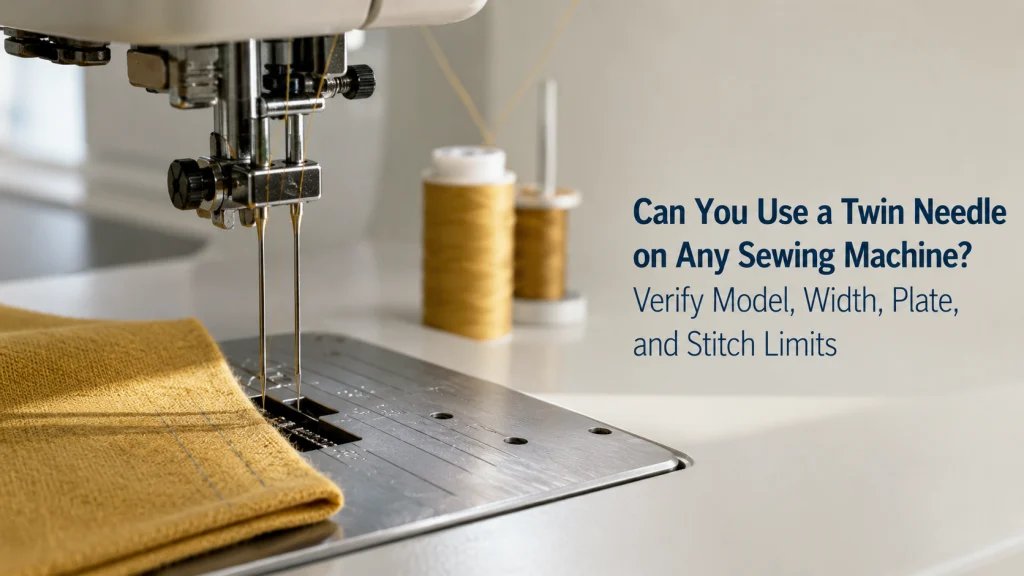
Can You Use a Twin Needle on Any Sewing Machine? Verify Model, Width, Plate, and Stitch Limits

Can You Use A Twin Needle On Any Sewing Machine

You cannot assume a twin needle will work on every household sewing machine just because the shank fits or the machine can sew a zigzag. Twin needle compatibility depends on explicit model support, the approved needle or spacing where specified, needle-plate and presser-foot clearance, permitted stitches, and any twin-needle setting or threading provision required by

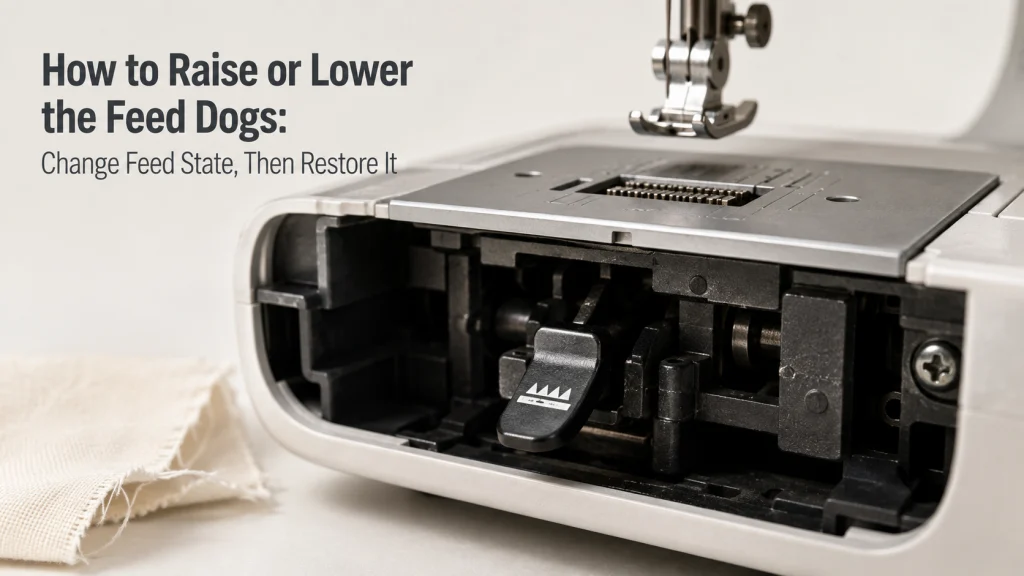
How to Raise or Lower the Feed Dogs: Change Feed State, Then Restore It

How To Raise Or Lower The Feed Dogs

Lowering the feed dogs is only half of the setting change. The correct workflow is to confirm that the exact machine supports drop feed, use the documented control for the intended technique, then restore normal feed and verify that the feed dogs actually return to working position. Lever direction and re-engagement behavior vary by model,

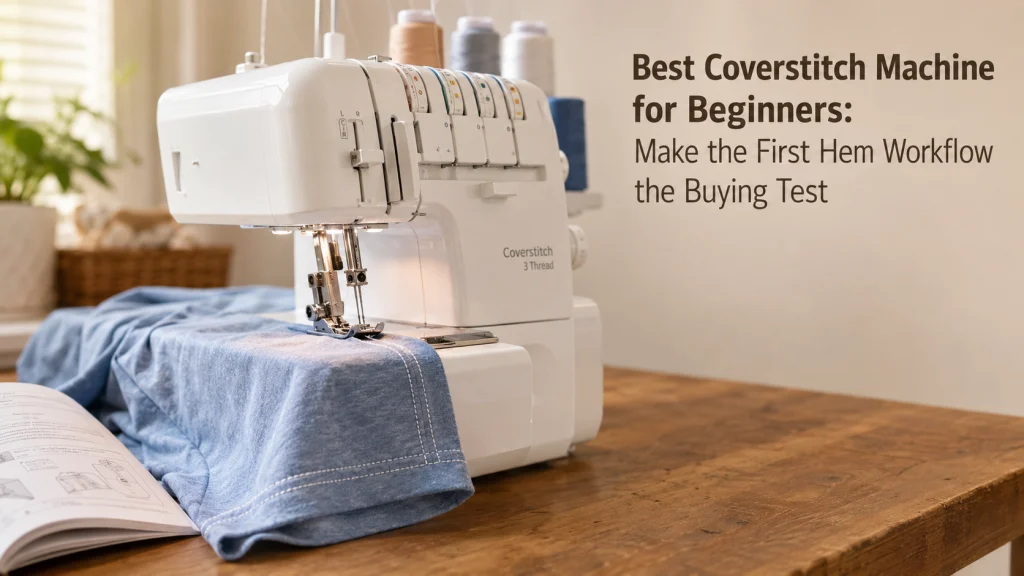
Best Coverstitch Machine for Beginners: Make the First Hem Workflow the Buying Test

Best Coverstitch Machine For Beginners

The best coverstitch machine for beginners is not automatically the least expensive or the one with the fewest controls. A better first purchase is the machine whose threading, stitch selection, fabric release, documentation, workspace, and service path fit the garment jobs you expect to repeat. Before comparing candidates, decide whether you actually need dedicated coverstitch

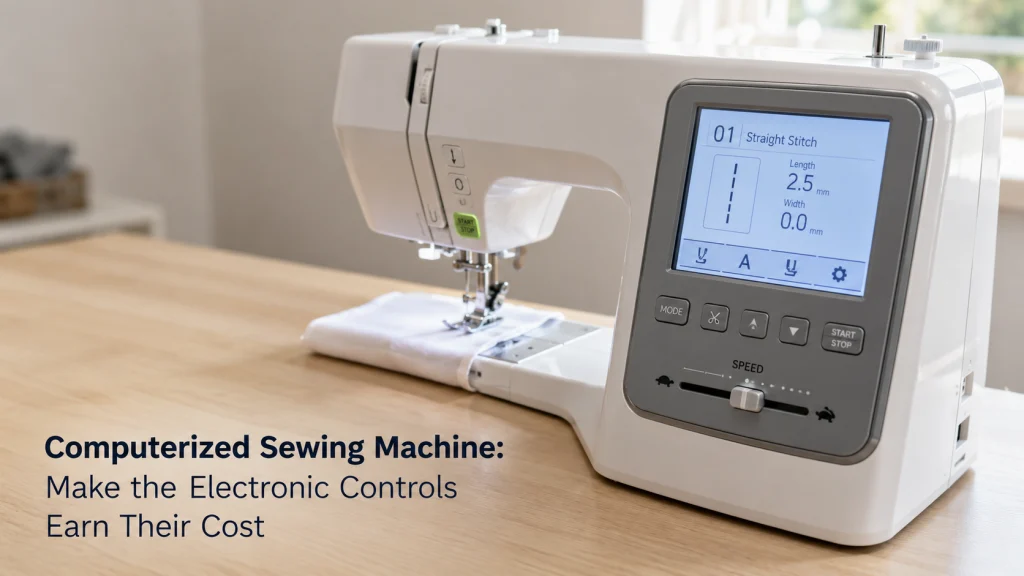
Computerized Sewing Machine: Make the Electronic Controls Earn Their Cost

Computerized Sewing Machine

A computerized sewing machine is worth paying more for only when its electronic controls solve tasks you repeat often. Stitch count and screen size are weak shortcuts because machines with very different totals can still offer a similar set of everyday controls. Compare stitch selection, length and width adjustment, speed limiting, needle stop position, Start/Stop

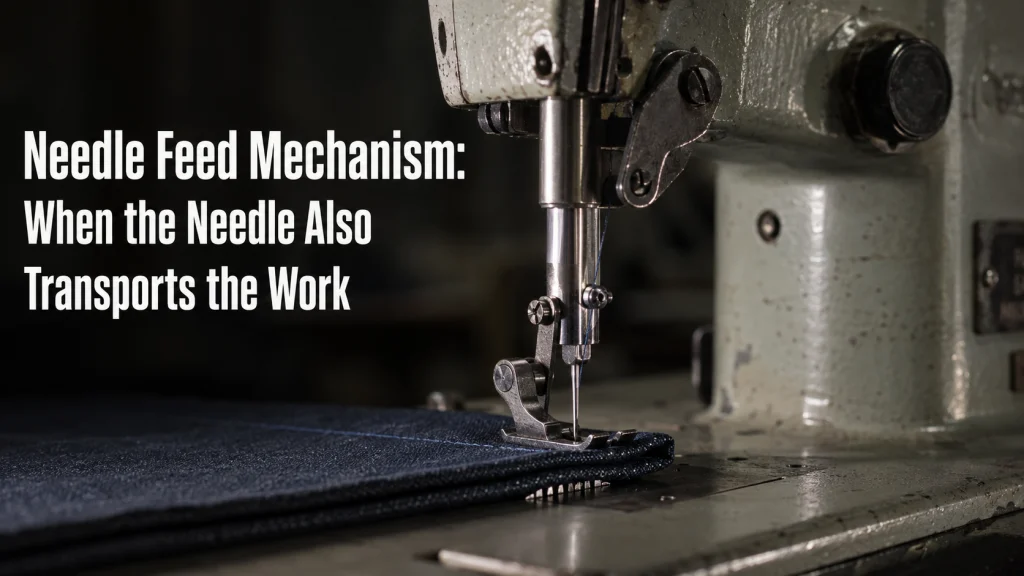
Needle Feed Mechanism: When the Needle Also Transports the Work

Needle Feed Mechanism

A needle feed mechanism does more than move a needle up and down to form a stitch. During the material-advance part of the cycle, the needle stays engaged as it moves together with the material while the lower feed advances in coordination, so the needle itself becomes one of the transporting elements. That is different

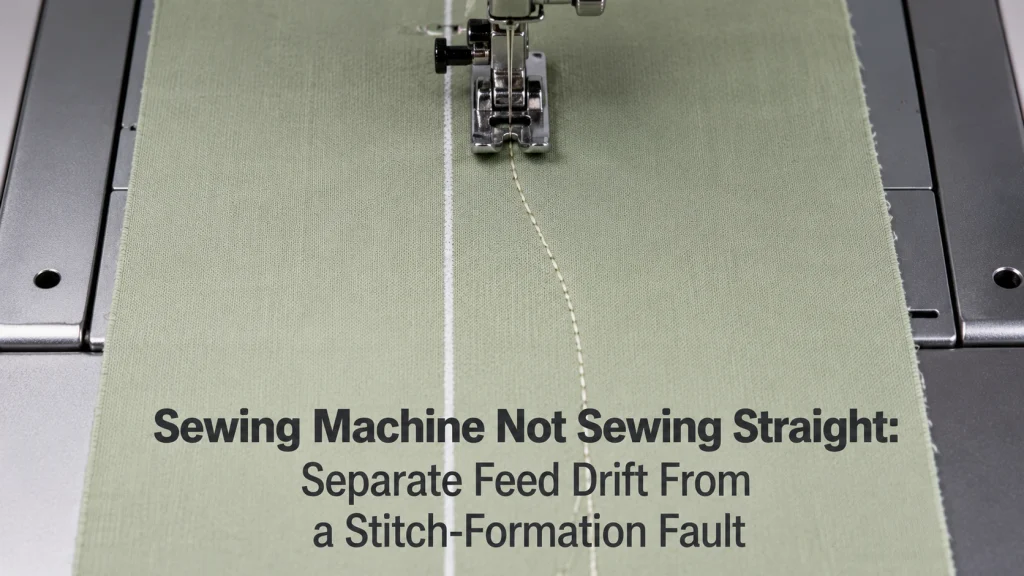
Sewing Machine Not Sewing Straight: Separate Feed Drift From a Stitch-Formation Fault

Sewing Machine Not Sewing Straight

When a sewing machine will not sew straight, the symptom can mean two different things: the fabric path itself veers, or the fabric tracks normally while the individual stitches look crooked or malformed. Start with a basic straight-stitch baseline on stable woven scrap, verify the user-level needle, foot, and feed states required by the exact

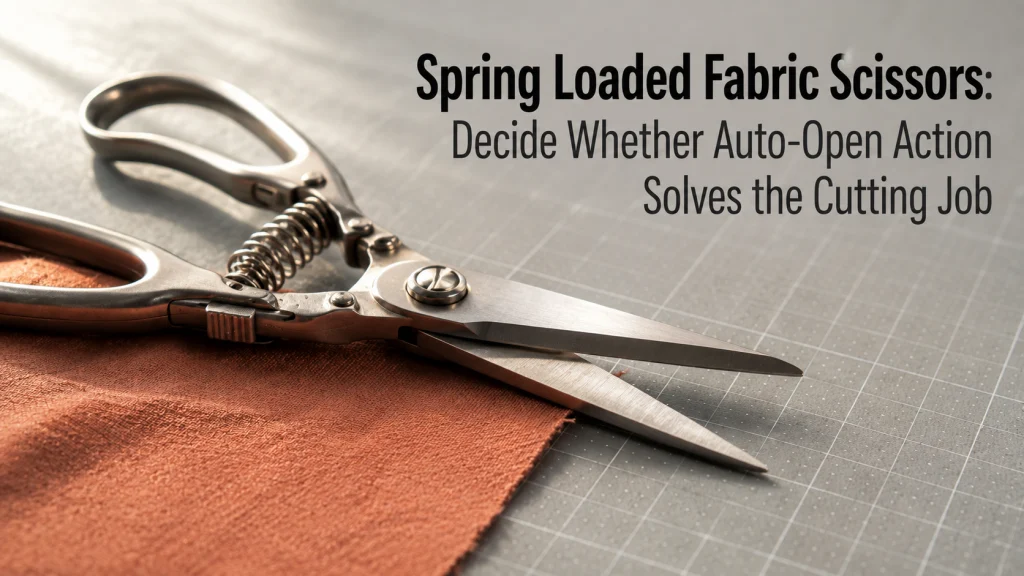
Spring Loaded Fabric Scissors: Decide Whether Auto-Open Action Solves the Cutting Job

Spring Loaded Fabric Scissors

Spring loaded fabric scissors add one main mechanical change to ordinary fabric scissors: a spring reopens the handles and blades after each cut. That auto-open action can matter when repeated reopening is the part of cutting you want the tool to handle, but it does not replace the need to judge blade quality, cutting length,

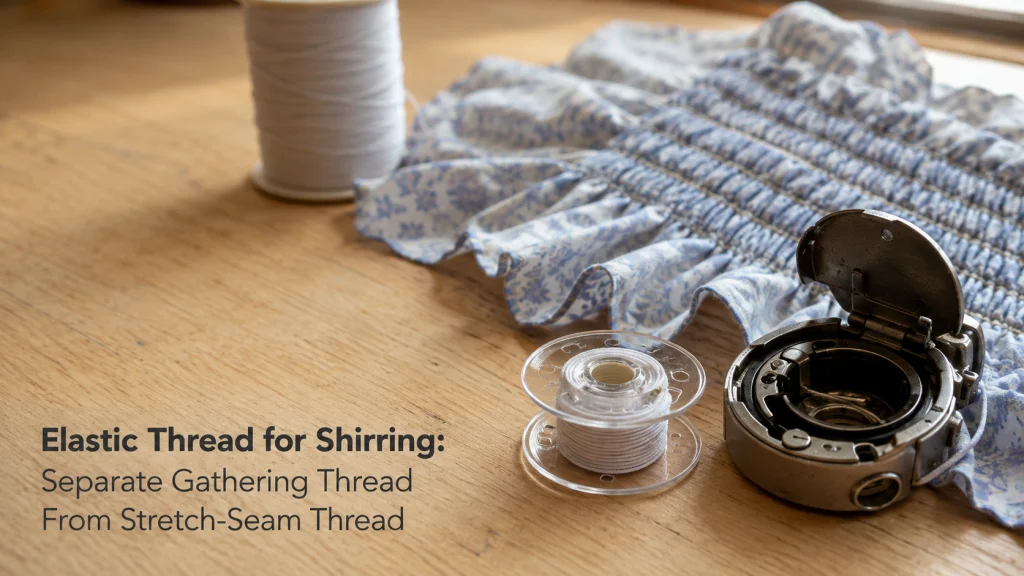
Elastic Thread for Shirring: Separate Gathering Thread From Stretch-Seam Thread

Elastic Thread For Shirring

Elastic thread for shirring is chosen to create gathered elastic rows, not as a generic answer for every seam that needs to stretch. Products that share the word “elastic” can differ in function, fiber, thickness marking, and machine-use instructions. Start with the result you need, then read the exact package or manufacturer directions, including whether

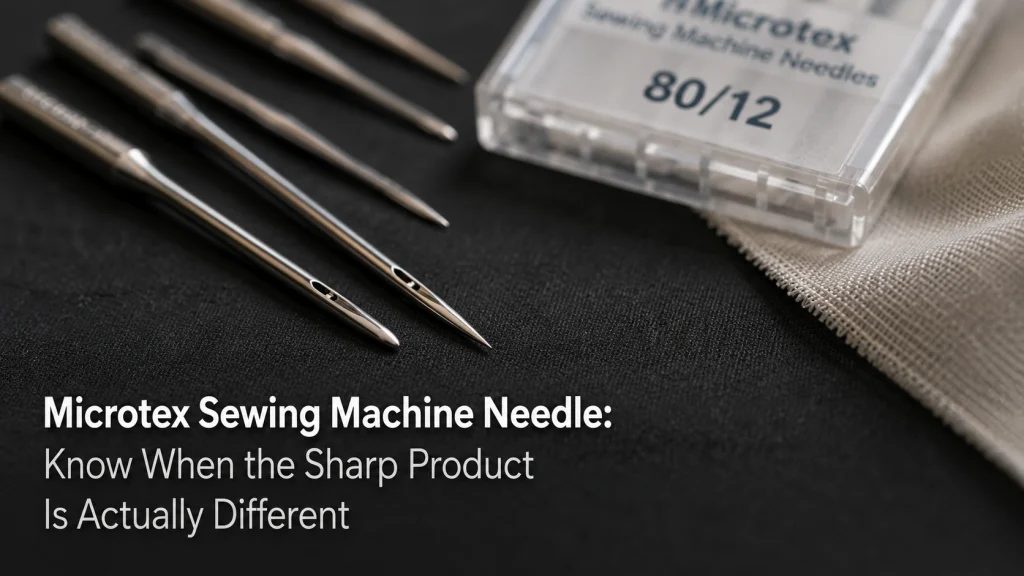
Microtex Sewing Machine Needle: Know When the Sharp Product Is Actually Different

Microtex Needle

A Microtex needle is a household sewing-machine needle type defined by its system and slim acute point, not simply by the size number printed on the package. The practical buying decision is to verify that the needle system fits the exact machine, then decide whether that sharper point geometry matches the material structure or precision

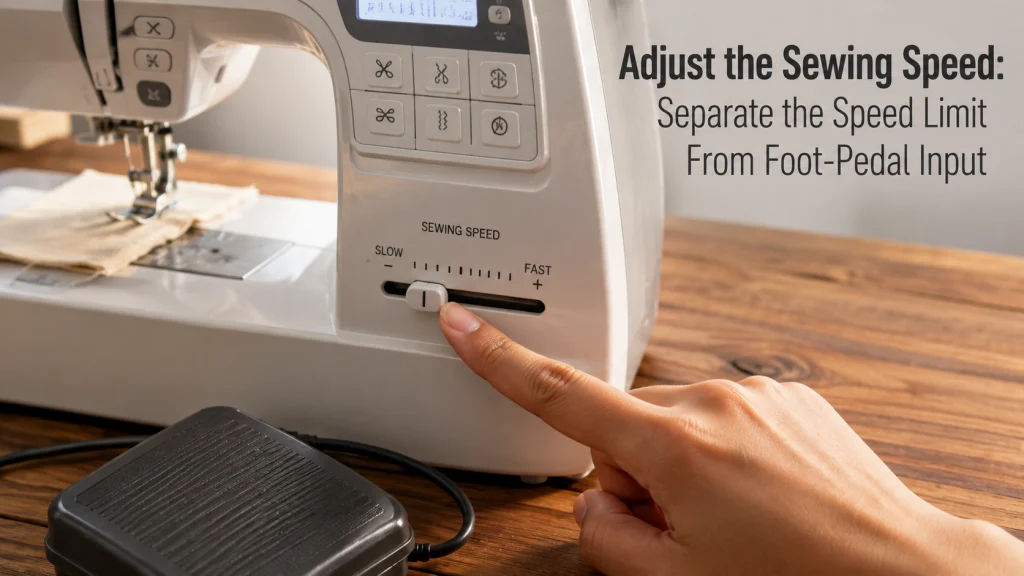
Adjust the Sewing Speed: Separate the Speed Limit From Foot-Pedal Input

Adjust The Sewing Speed

A built-in sewing speed controller changes how much speed the machine makes available, while the foot controller or Start/Stop control determines how that available speed is used. The practical job is to identify the control your exact machine provides, set it within the documented range, and learn how that setting changes the machine’s response before

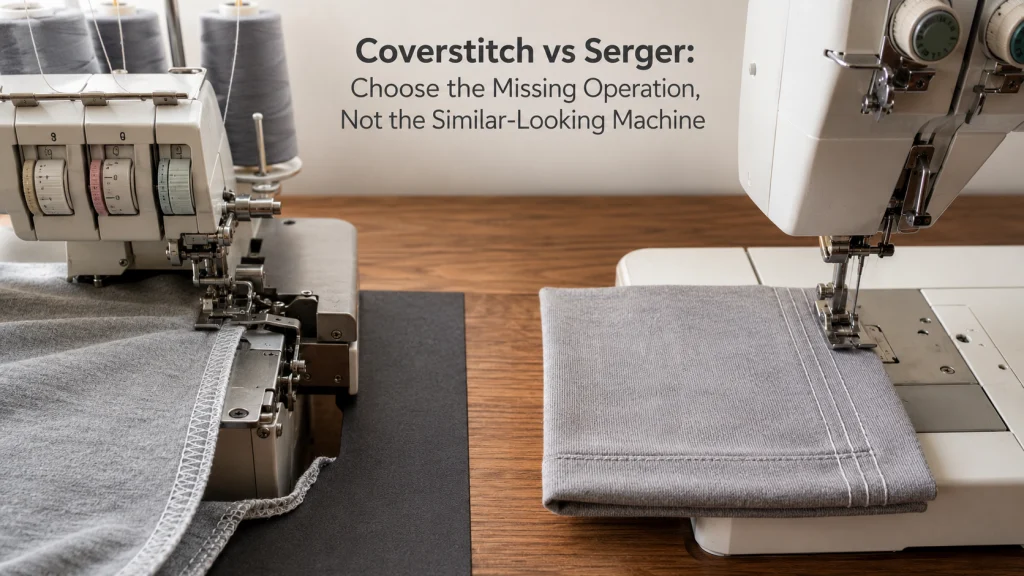
Coverstitch vs Serger: Choose the Missing Operation, Not the Similar-Looking Machine

Coverstitch Vs Serger

A serger and a coverstitch machine may look like close relatives, but they solve different garment operations. A serger is primarily useful when the missing job is trimming and enclosing an edge or constructing stretch seams, while a coverstitch system earns its place when folded knit hems, chainstitch work, or coverstitch topstitching are the recurring

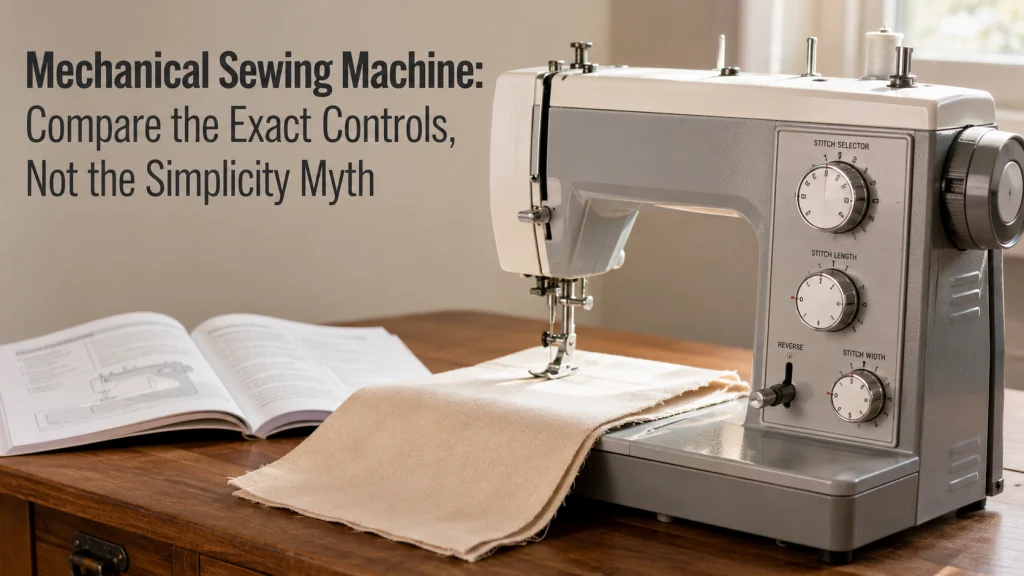
Mechanical Sewing Machine: Compare the Exact Controls, Not the Simplicity Myth

Mechanical Sewing Machine

A mechanical sewing machine gives you direct physical controls, but that label does not tell you how many useful adjustments, feed controls, buttonhole steps, or support options a specific model provides. The practical way to choose is to write down the controls you actually need, verify them against the exact current model page and manual,

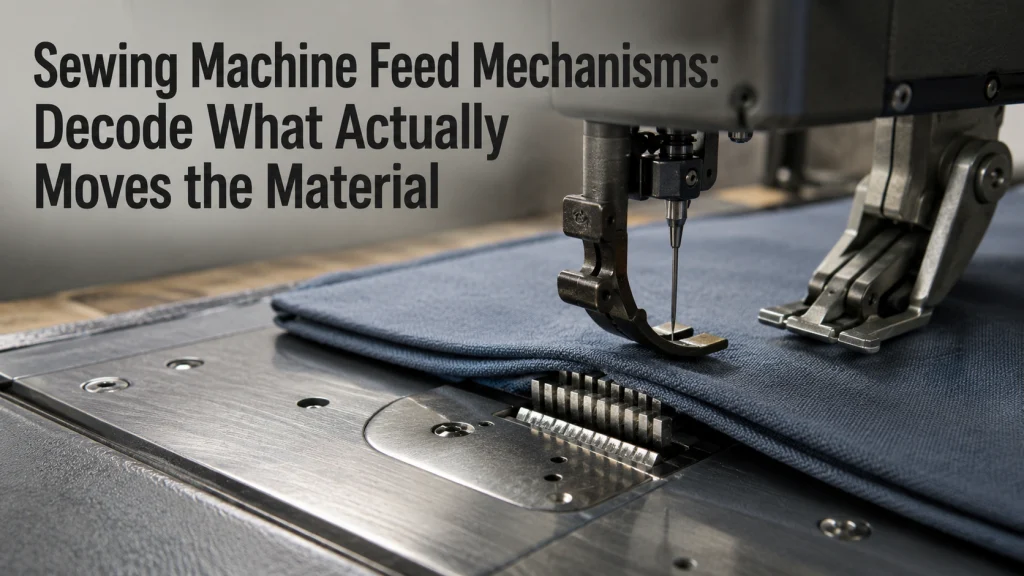
Sewing Machine Feed Mechanisms: Decode What Actually Moves the Material

Sewing Machine Feed Mechanisms

Sewing machine feed mechanisms make more sense when you stop comparing labels and start identifying which parts actually contact and move the material. A feed-dog count, needle-feed label, unison-feed specification, or domestic dual-feed feature can describe different layers of the transport system rather than competing versions of one feature. The practical way to read a