Thread Bunching Under Fabric: Diagnose the Upper Thread Before You Blame the Bobbin
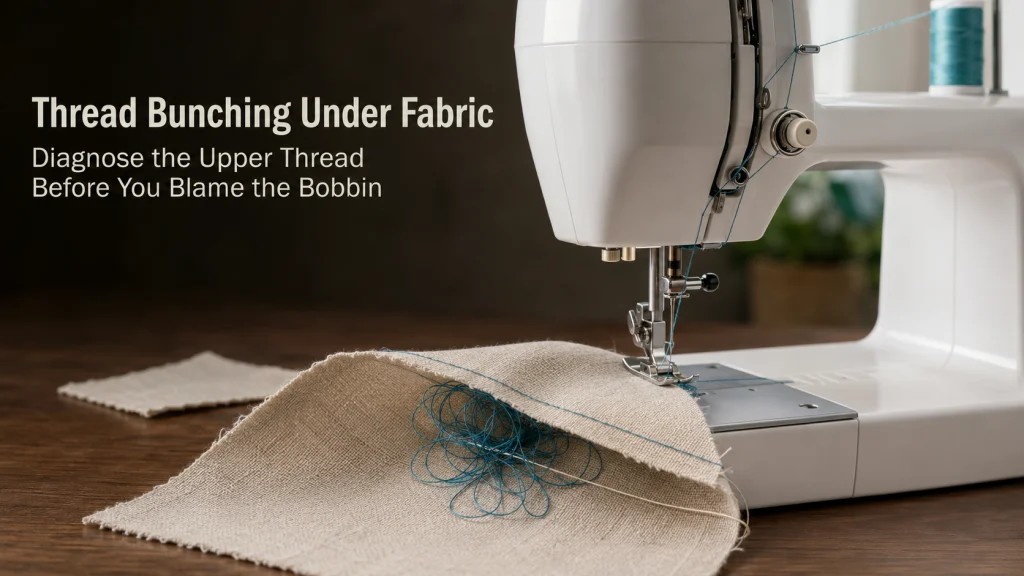
Thread Bunching Under Fabric

Thread bunching under fabric usually needs an upper-thread check before a bobbin adjustment. When the top of the seam looks comparatively clean but loose loops or a bird nest collect underneath, trace which thread color forms the mass, then restore the upper threading path exactly as the machine documentation requires. Verify the bobbin type and
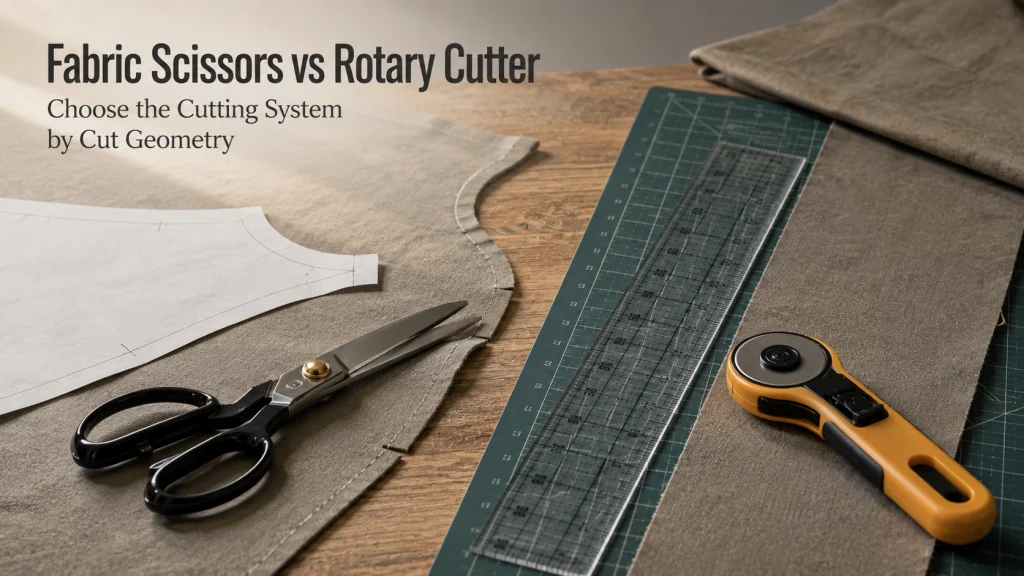
Fabric Scissors vs Rotary Cutter: Choose the Cutting System by Cut Geometry

Fabric Scissors Vs Rotary Cutter

Fabric scissors vs rotary cutter is not a universal winner-takes-all comparison. Scissors lift and shear the fabric between two blades, while a rotary cutter rolls a circular blade across fabric that stays supported on a cutting mat. That difference changes how each system handles curves, notches, ruler-guided straight cuts, workspace, and replacement-blade ownership. Choose by

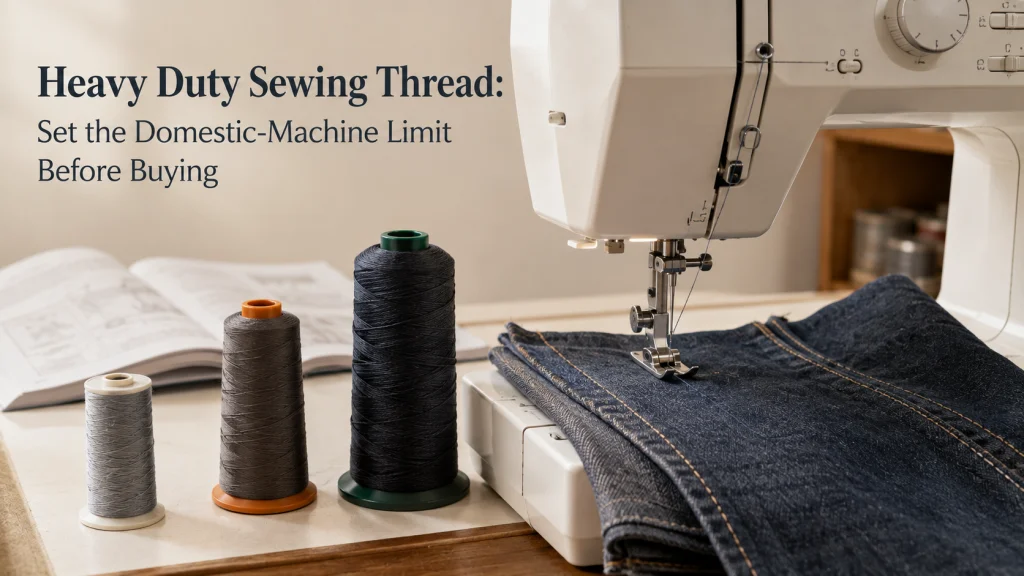
Heavy Duty Sewing Thread: Set the Domestic-Machine Limit Before Buying

Heavy Duty Sewing Thread

Heavy duty sewing thread should be chosen from the seam requirement backward, not from the thickest spool on the shelf. A domestic sewing machine may accept some heavier thread, but the usable range depends on the exact model, thread construction, needle relationship, and whether the thread is used on top or in the bobbin. Industrial

Sewing Machine Bobbins: Match the Class, Material, and Case Before You Buy

Sewing Machine Bobbins

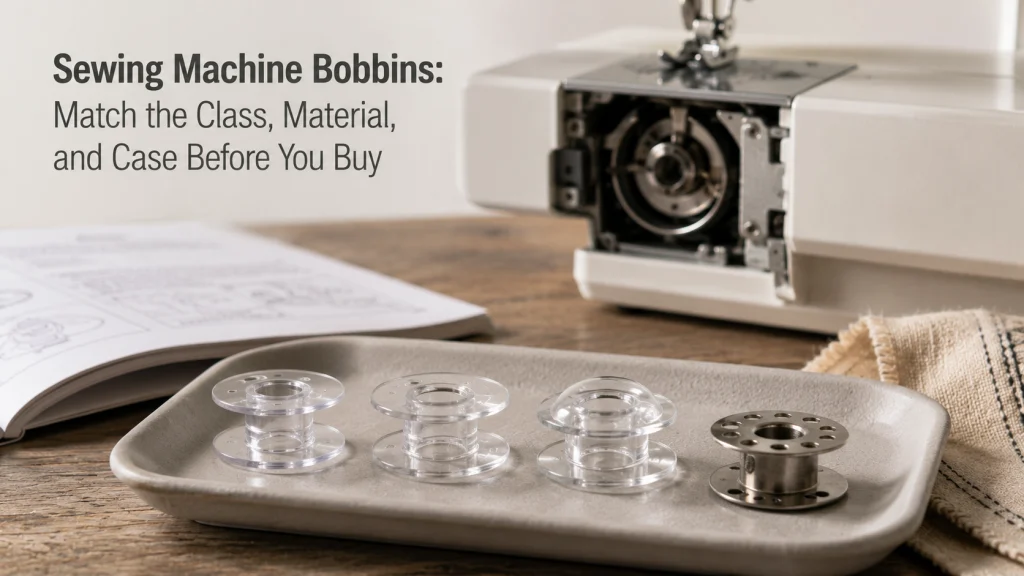
Sewing machine bobbins should be matched to the exact machine before you compare price, package quantity, material, or appearance. Class, profile, height, diameter, center bore, material, and the machine maker’s part number can all matter, and similar-looking bobbins are not automatically interchangeable. Use the exact model manual or manufacturer compatibility listing as the strongest evidence,

Straight Stitch vs Zigzag Stitch: Choose by Seam Job, Stretch, and Edge Behavior

Straight Stitch Vs Zigzag Stitch

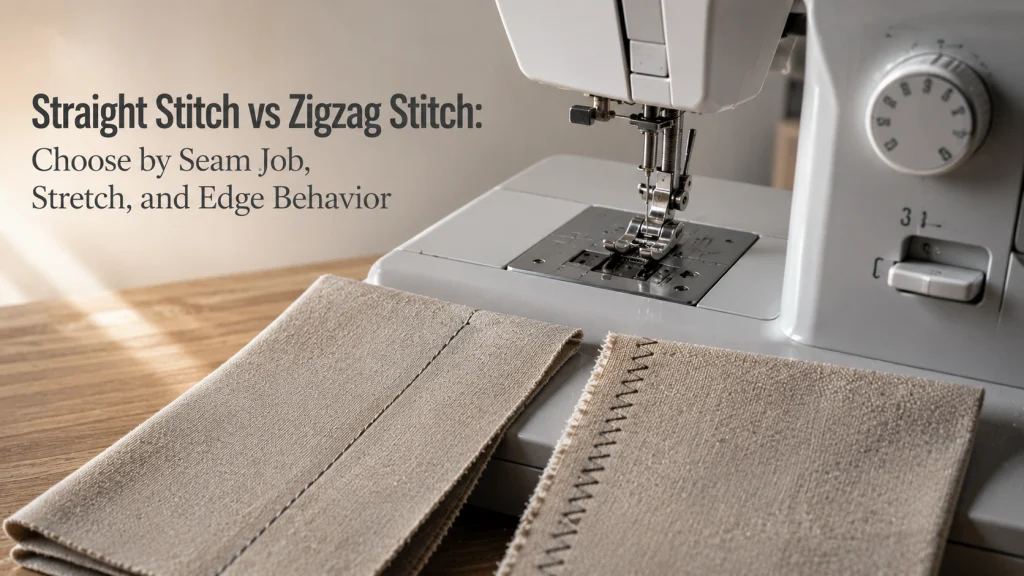
Straight stitch vs zigzag stitch is not a fabric-label decision. Start by asking what the seam or edge must do: join layers without needing lateral movement, accommodate stretch, cover a raw edge, or hand the job off to a more specific technique such as a buttonhole. Straight stitch is the simpler choice when ordinary non-stretch

Coverstitch vs Twin Needle: Decide When the Domestic Workaround Is Still Enough

Coverstitch Vs Twin Needle

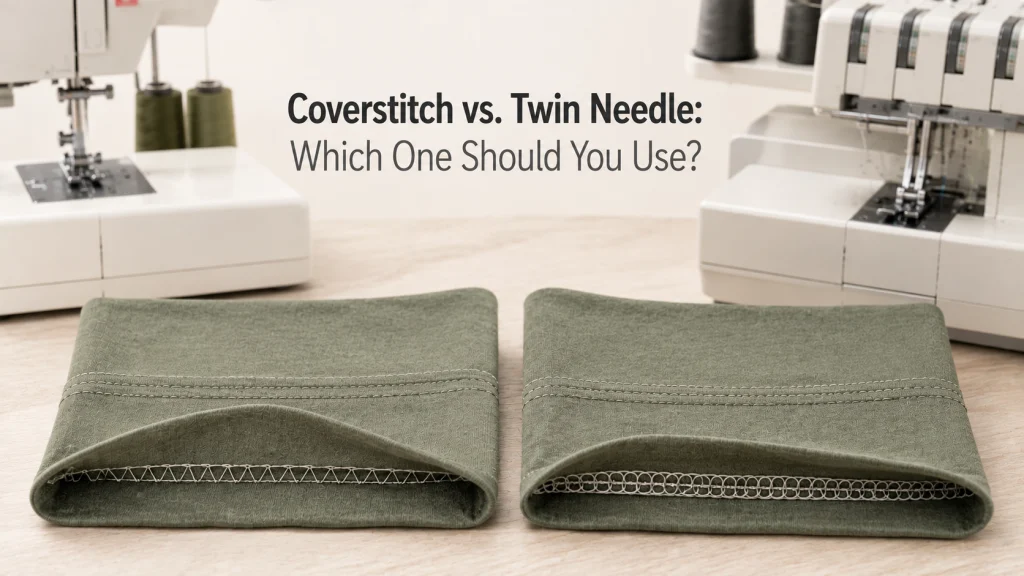
A coverstitch machine is not an automatic upgrade from a twin-needle hem on a regular sewing machine. The purchase only starts to make sense when the current twin-needle workflow has a specific, repeatable limitation on garments you actually sew, and that limitation belongs to the system rather than an unresolved setup problem. Compare appearance, stretch

Portable Sewing Machine: Keep the Capability You Need When the Machine Has to Move

Portable Sewing Machine

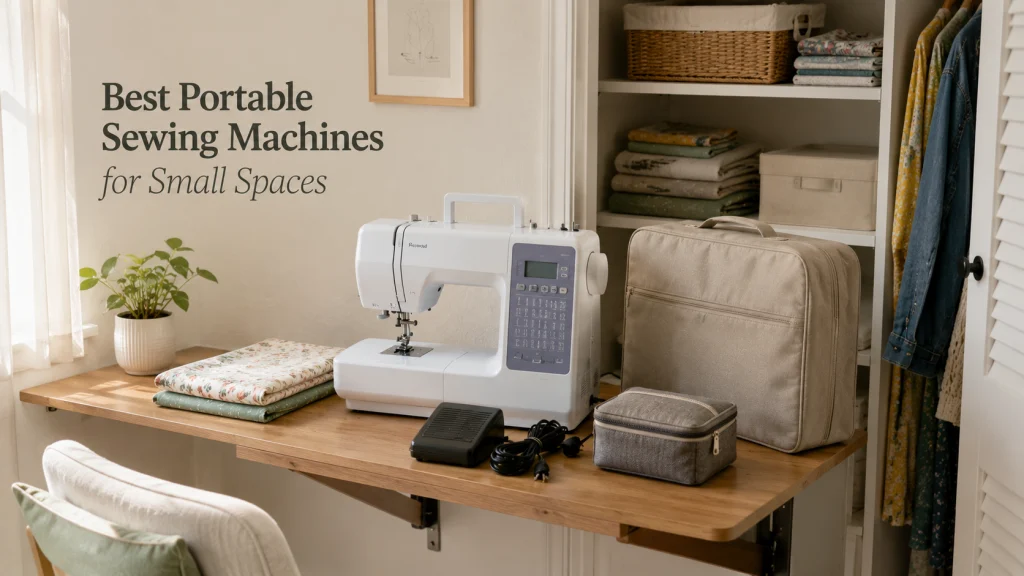
A portable sewing machine should preserve the domestic sewing functions you actually need while making repeated storage or transport manageable. Weight matters, but so do unit dimensions, pedal and cord burden, required accessories, workspace, free arm, stitch controls, power requirements, documentation, warranty, and the time it takes to set the machine up again. Mini tabletop

Walking Foot vs Dual Feed: Attachment, Integrated System and the Limits of Each Label

Walking Foot Vs Dual Feed

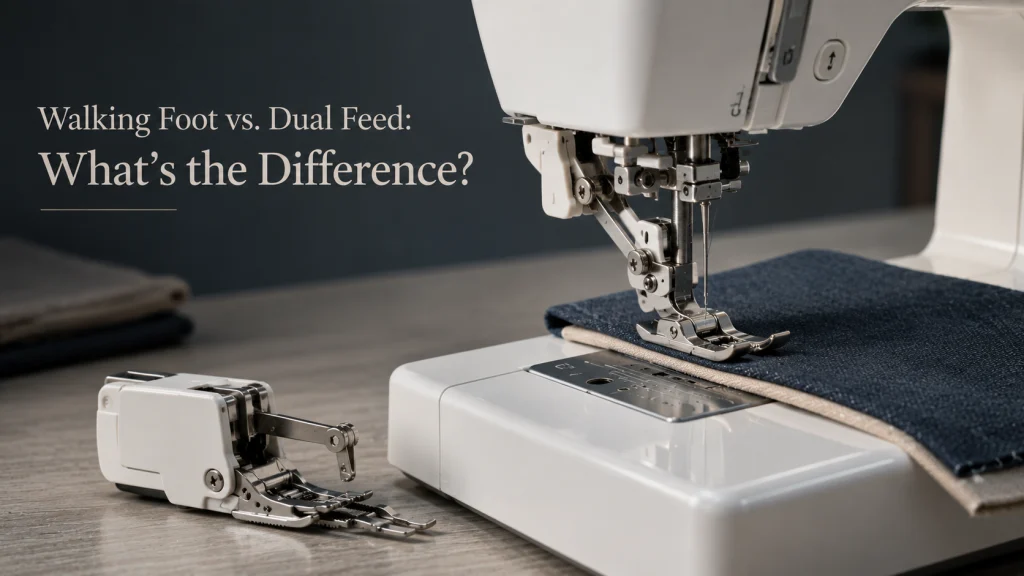
A walking foot and a dual-feed system can both add upper-side fabric transport, but they are not automatically the same mechanism or the same ownership decision. A removable walking-foot attachment, an integrated mechanical feed drive, and a digitally controlled motor-driven feed foot can differ in where motion comes from, how the feed engages, which presser

Sewing Machine Skipping Stitches: Check the Needle and Thread Path Before You Suspect Timing

Why Is My Sewing Machine Skipping Stitches

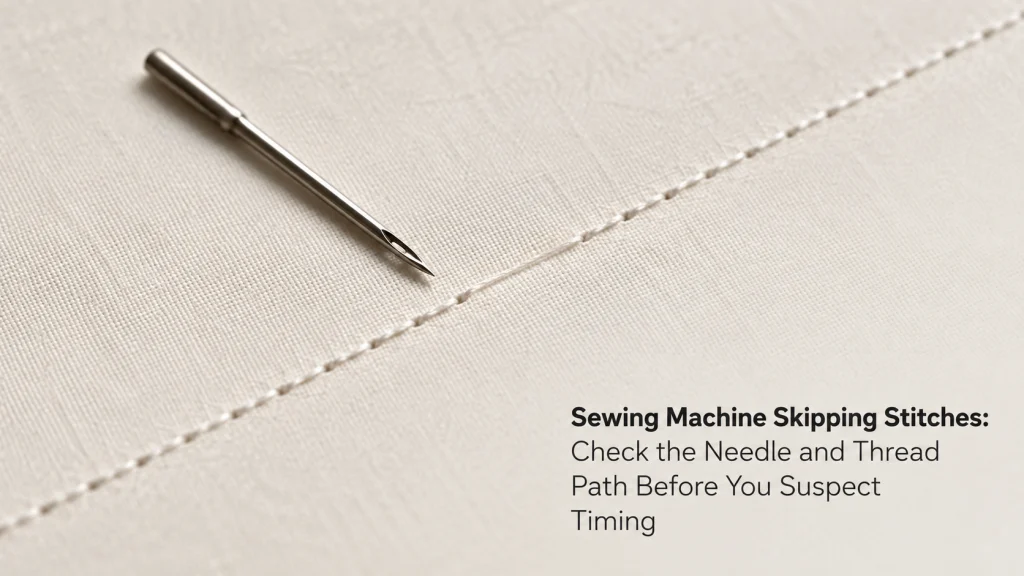
If you are asking why is my sewing machine skipping stitches, first prove that a stitch is actually missing. When fabric advances normally but some needle penetrations fail to form a lockstitch, the first checks are the needle, its installation, the needle-thread-fabric combination, upper threading, bobbin state, and only the user-accessible cleaning steps documented for

Electric Fabric Scissors: Choose a Household Powered Cutter by Blade, Control, and Material

Electric Fabric Scissors

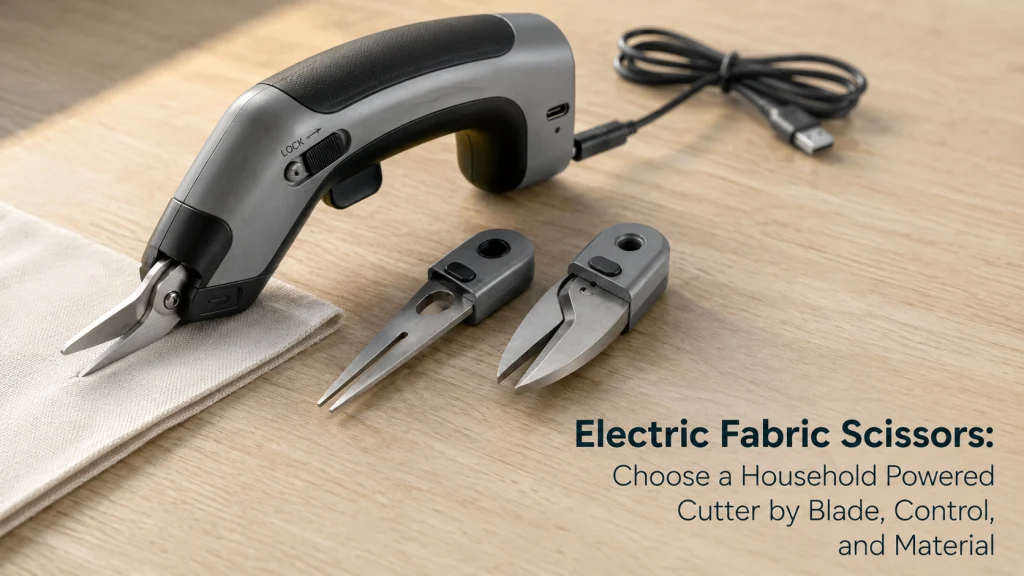
Electric fabric scissors are a household powered cutting tool, not a miniature industrial cutting machine. The useful comparison starts with the blade actually supplied for fabric, the materials the manufacturer supports, the trigger and guard design, and the charging or battery system. Powered cutting can reduce how much of the cutting motion comes from repeated

Can You Use Hand Quilting Thread in a Sewing Machine? Read the Product Label First

Can You Use Hand Quilting Thread In A Sewing Machine

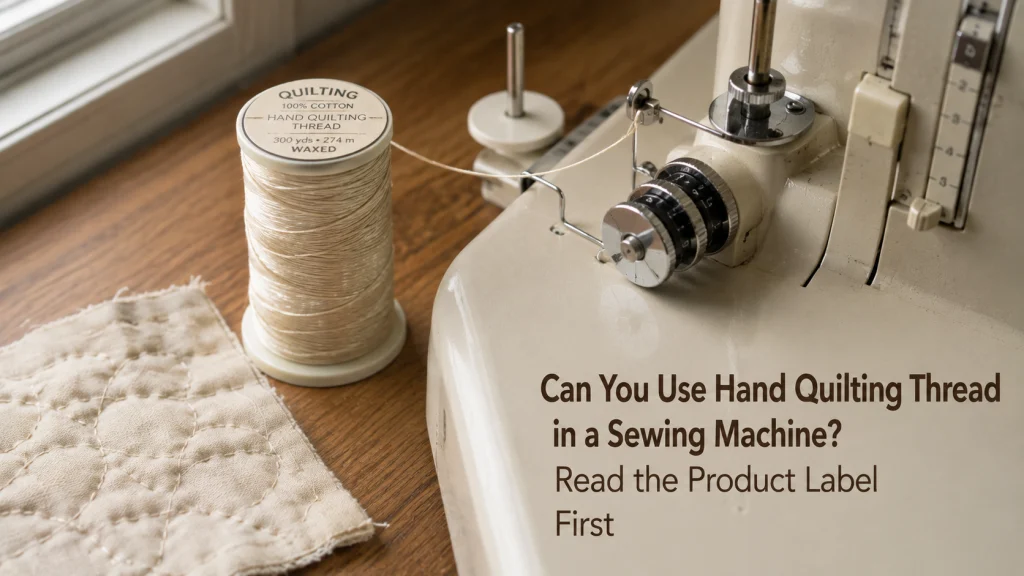
Hand quilting thread is not automatically suitable for a domestic sewing machine just because the spool also says quilting. The deciding evidence is the exact product’s intended-use label, any glaze, wax, or coating identified by its maker, and the thread limits published for the exact machine. Some hand-quilting products are specifically made for hand stitching

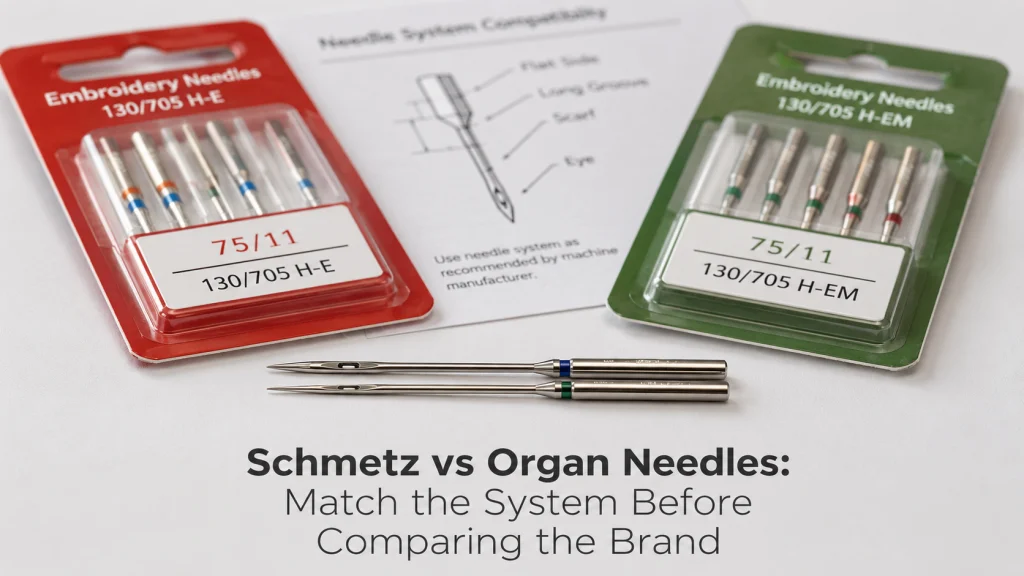
Schmetz vs Organ Needles: Match the System Before Comparing the Brand

Schmetz Vs Organ Needles

Schmetz vs Organ needles is not a meaningful comparison until the needle system, type, and size are already matched to the exact machine and sewing task. A machine manufacturer may name one product as factory-recommended, document another as an approved substitute, or permit more than one needle system on a specific model. Those statements prove

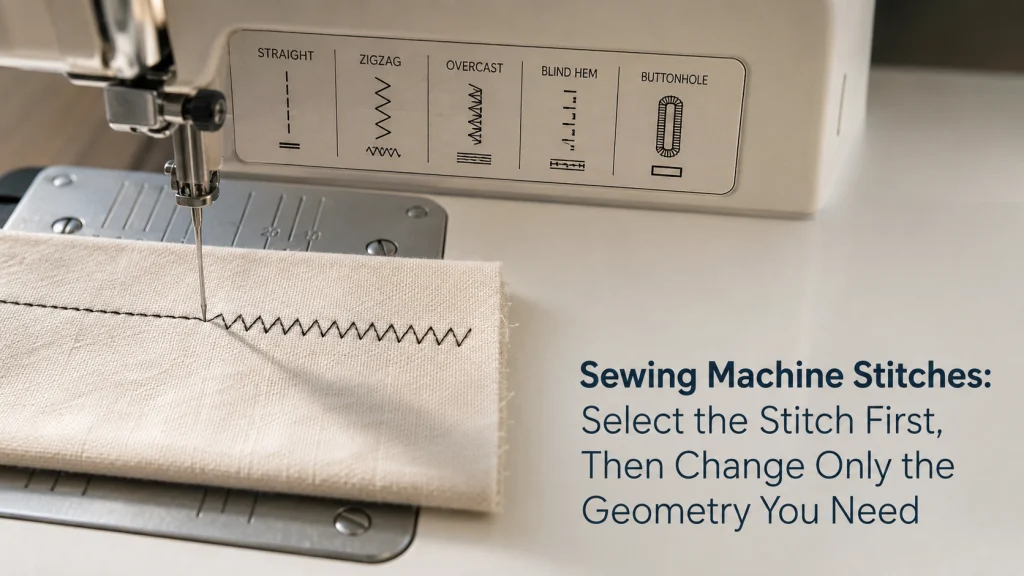
Sewing Machine Stitches: Select the Stitch First, Then Change Only the Geometry You Need

Sewing Machine Stitches

Sewing machine stitches make more sense when you start with the sewing job instead of the stitch number. On a functioning domestic machine, the practical sequence is to identify the stitch in the exact chart or on-screen menu, select it with the documented control, check which settings that stitch actually allows, and test the result

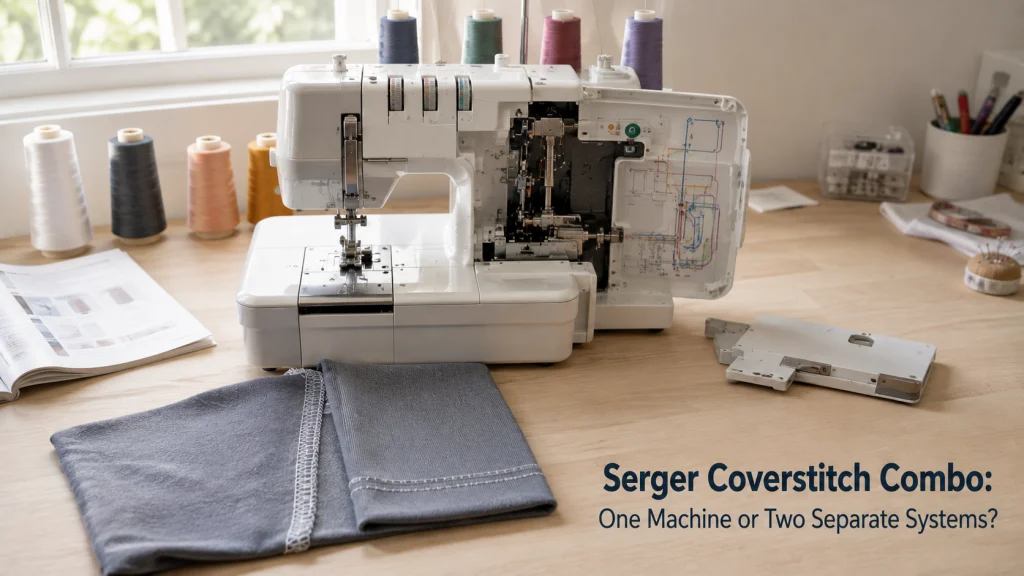
Serger Coverstitch Combo: One Machine or Two Separate Systems?

Serger Coverstitch Combo

A serger coverstitch combo can reduce the number of machine bodies in a sewing space, but it also turns every switch between overlocking and coverstitching into part of the ownership workflow. Separate machines take more room and usually require a larger total equipment commitment, yet each function can remain threaded and ready when the project

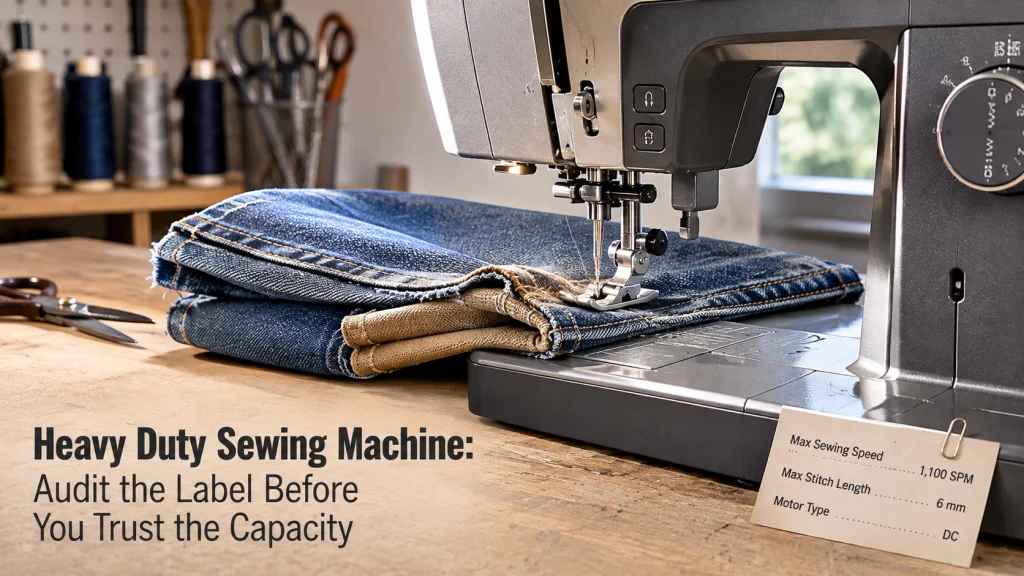
Heavy Duty Sewing Machine: Audit the Label Before You Trust the Capacity

Heavy Duty Sewing Machine

A heavy duty sewing machine label is a bundle of manufacturer claims, not a shared capacity standard. Before comparing motors, metal construction, speed, presser-foot lift, or named materials, define the seam stack you actually need to sew and how often you will sew it. Then separate published specifications from manufacturer performance wording and from behavior

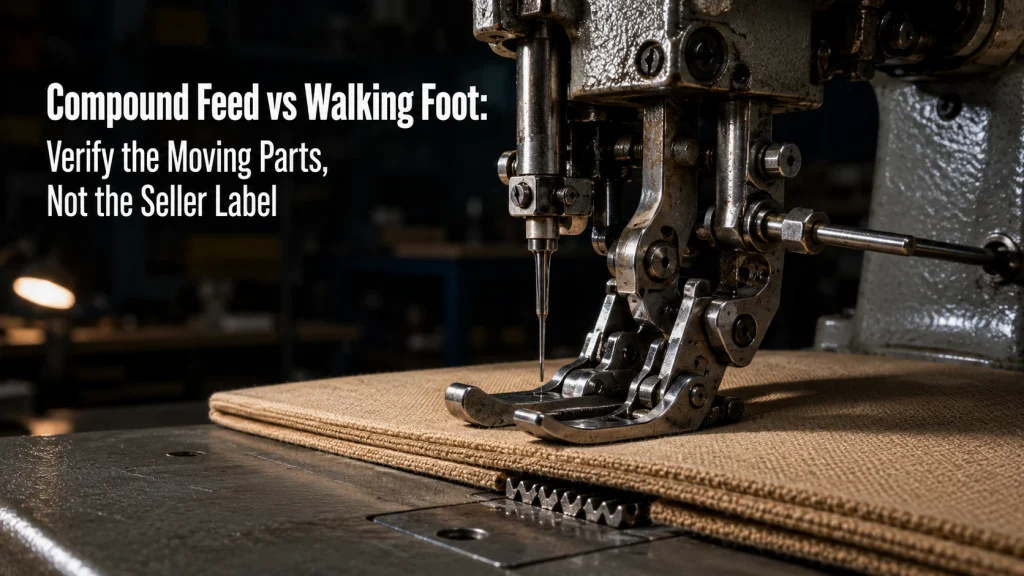
Compound Feed vs Walking Foot: Verify the Moving Parts, Not the Seller Label

Compound Feed Vs Walking Foot

Compound feed vs walking foot is not a reliable comparison if you start with the seller label alone. In industrial and portable-machine listings, similar words can describe different combinations of lower feed, needle transport, driven upper feed, and alternating presser-foot motion. The practical way to identify the system is to verify which components move the