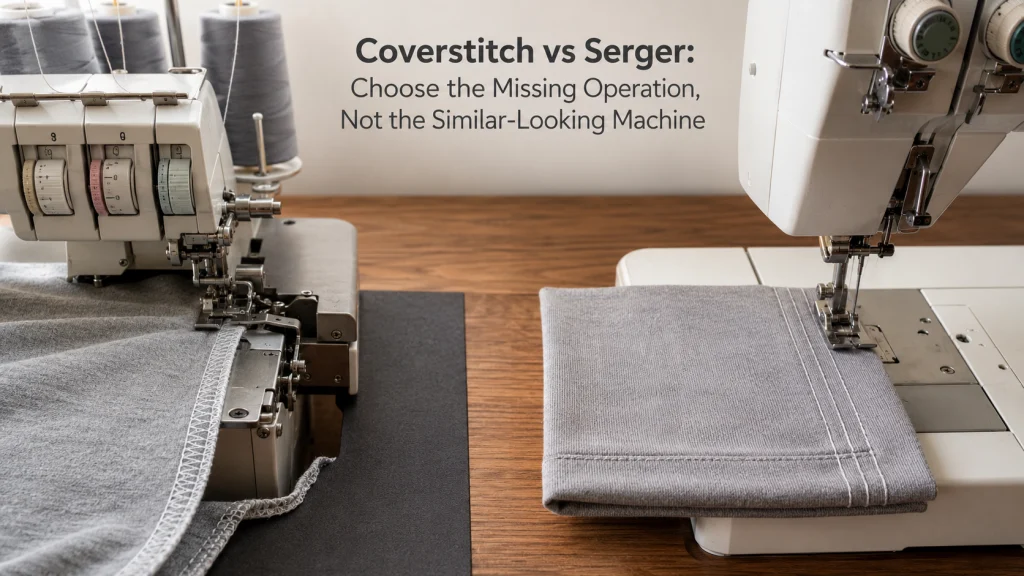
Coverstitch vs Serger: Choose the Missing Operation, Not the Similar-Looking Machine
Coverstitch Vs Serger

A serger and a coverstitch machine may look like close relatives, but they solve different garment operations. A serger is primarily useful when the missing job is trimming and enclosing an edge or constructing stretch seams, while a coverstitch system earns its place when folded knit hems, chainstitch work, or coverstitch topstitching are the recurring
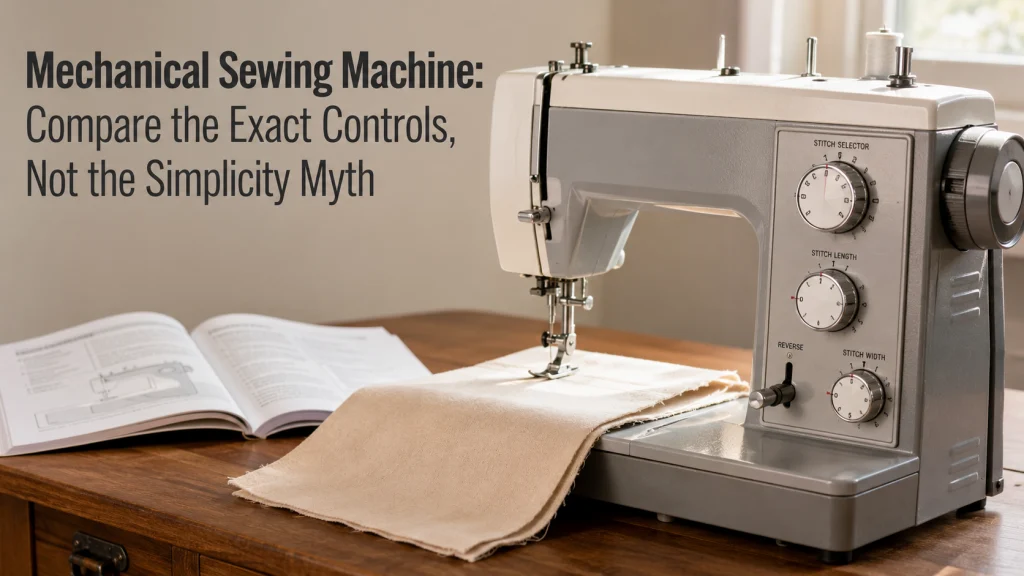
Mechanical Sewing Machine: Compare the Exact Controls, Not the Simplicity Myth

Mechanical Sewing Machine

A mechanical sewing machine gives you direct physical controls, but that label does not tell you how many useful adjustments, feed controls, buttonhole steps, or support options a specific model provides. The practical way to choose is to write down the controls you actually need, verify them against the exact current model page and manual,

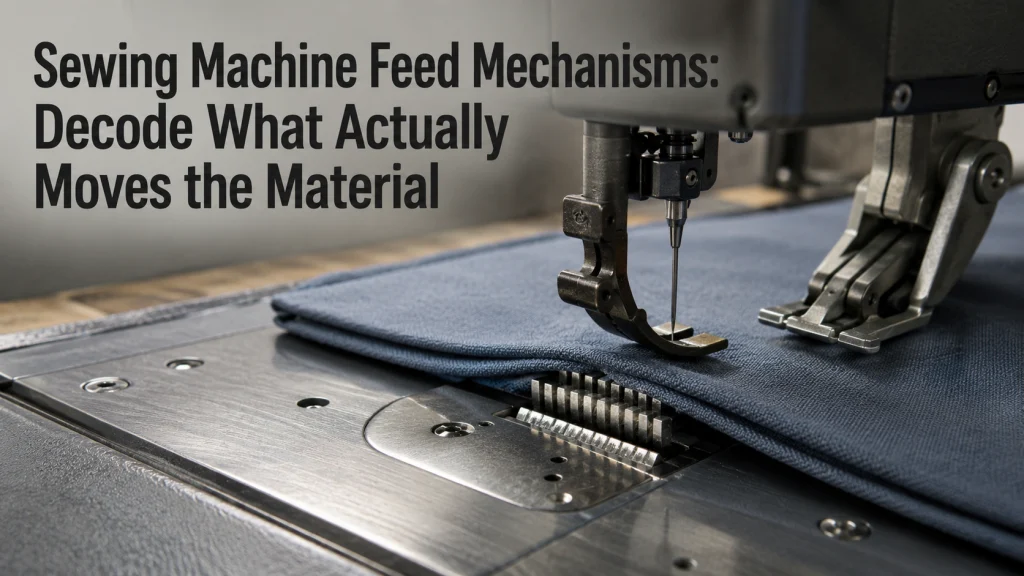
Sewing Machine Feed Mechanisms: Decode What Actually Moves the Material

Sewing Machine Feed Mechanisms

Sewing machine feed mechanisms make more sense when you stop comparing labels and start identifying which parts actually contact and move the material. A feed-dog count, needle-feed label, unison-feed specification, or domestic dual-feed feature can describe different layers of the transport system rather than competing versions of one feature. The practical way to read a

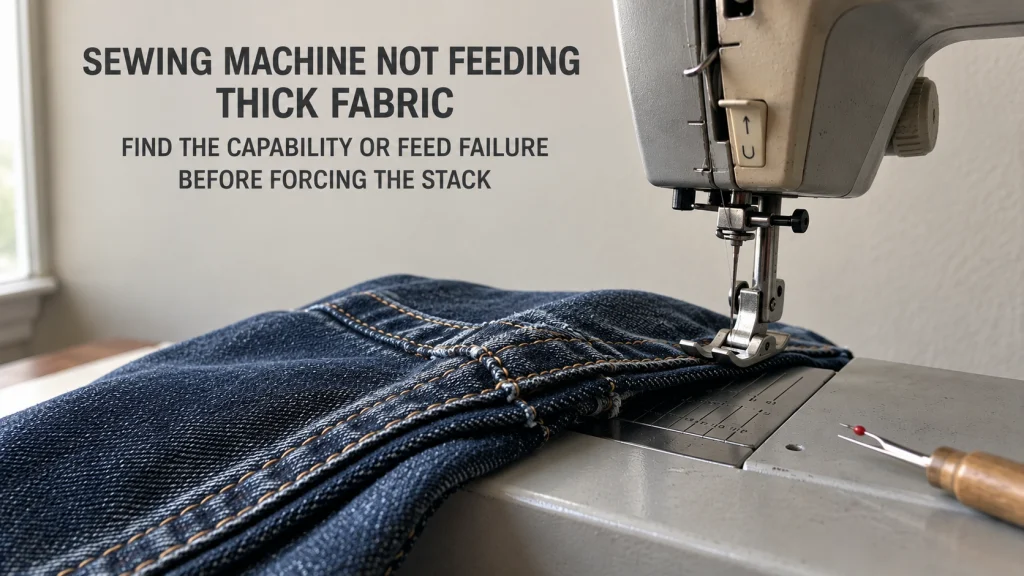
Sewing Machine Not Feeding Thick Fabric: Find the Capability or Feed Failure Before Forcing the Stack

Sewing Machine Not Feeding Thick Fabric

If a sewing machine feeds ordinary woven fabric normally but stalls on a bulky seam or thick stack, the problem is not automatically a bad setting or a weak machine. The first job is to prove the normal-feed baseline, then isolate whether the failure happens only at the start, at a raised seam intersection, or

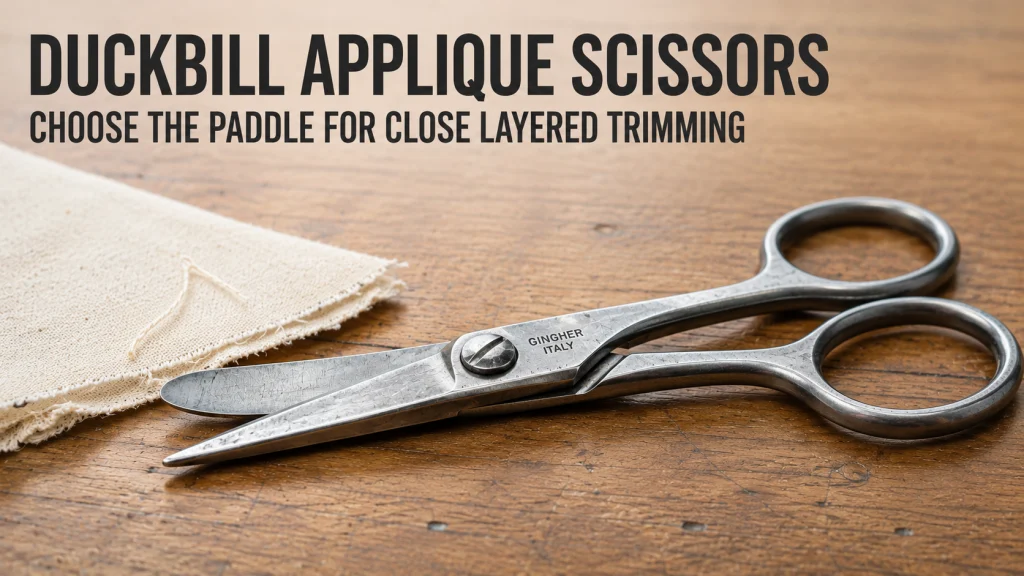
Duckbill Applique Scissors: Choose the Paddle for Close Layered Trimming

Duckbill Applique Scissors

Duckbill applique scissors are specialty cutting tools built around one defining feature: a wide paddle that can separate or guard a lower fabric layer while the cutting blade trims the layer above. That geometry matters most when the job is close layered trimming, not ordinary pattern cutting or general-purpose fabric cutting. Before buying, verify the

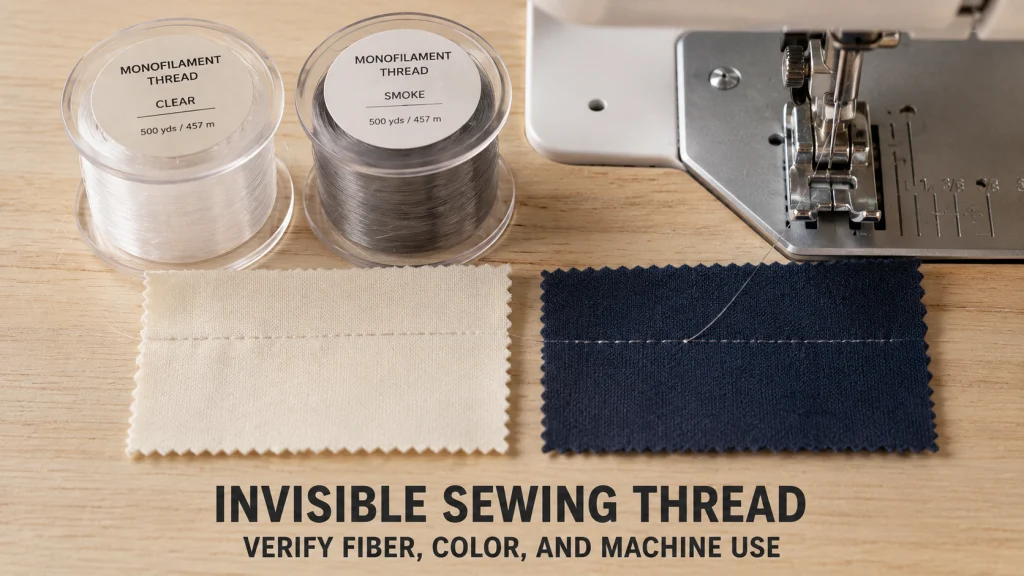
Invisible Sewing Thread: Verify Fiber, Color, and Machine Use

Invisible Sewing Thread

Invisible sewing thread is a visual category, not one standardized fiber. Current manufacturer labels show that monofilament sold for low-visibility machine stitching can be nylon or polyester, with clear and smoke versions used to blend against different backgrounds. Choose by reading the exact fiber, size, color, and intended machine application on the product label or

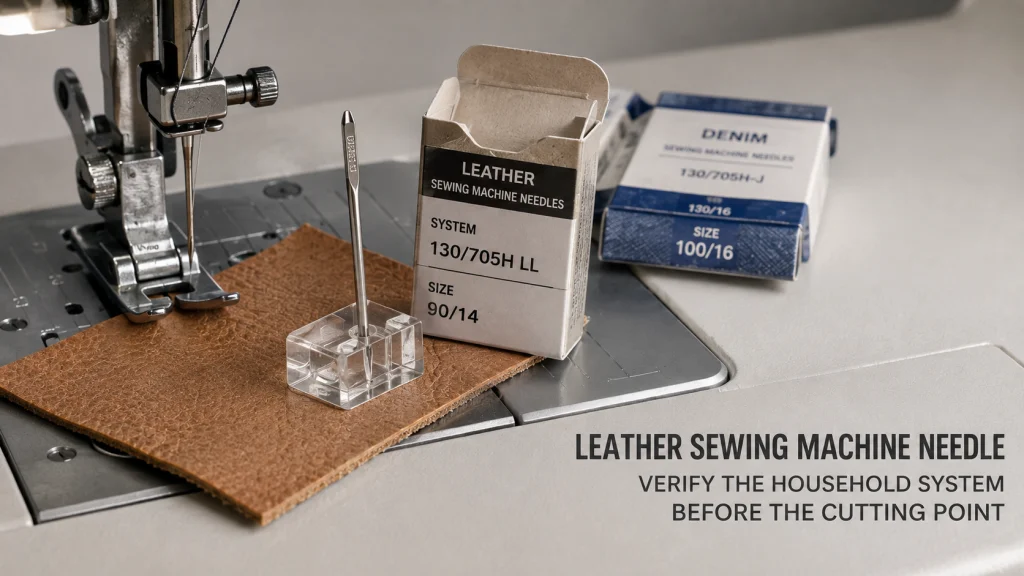
Leather Sewing Machine Needle: Verify the Household System Before the Cutting Point

Leather Sewing Machine Needle

A leather sewing machine needle is not universal just because the package says Leather. For a general domestic machine, first match the needle system to the exact machine, then confirm that the chosen needle size is within the machine manufacturer’s permitted range. A household Leather needle such as SCHMETZ 130/705 H LL uses a cutting

Presser Foot Pressure: Change Fabric Hold Only on Machines That Actually Allow It

Presser Foot Pressure

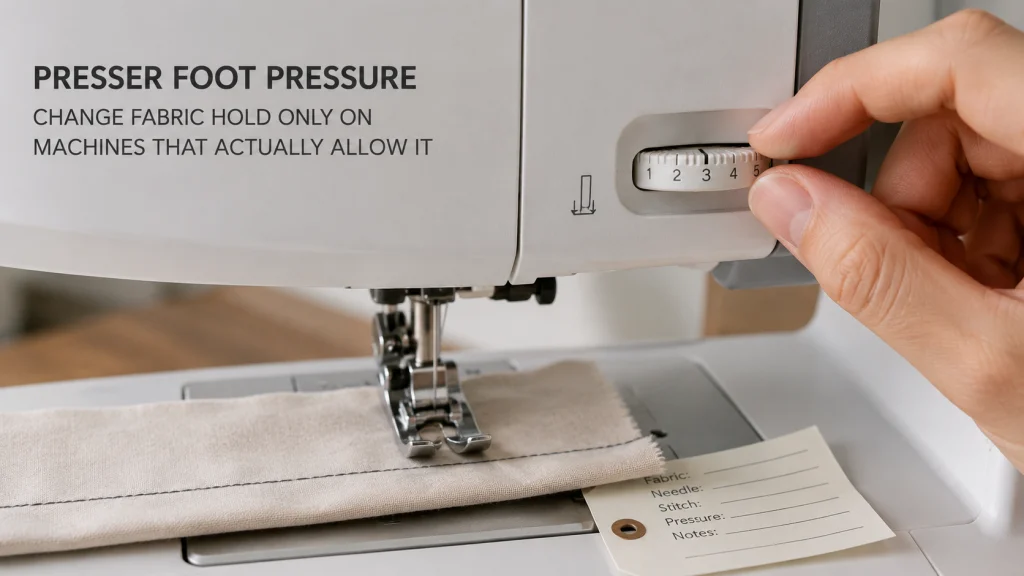
Presser foot pressure controls how firmly an eligible sewing machine holds fabric against the feed system while stitching. Before changing it, confirm that the exact model actually provides an owner-adjustable pressure control, record the documented normal setting, and test on the same fabric stack you plan to sew. Pressure changes should be small, deliberate, and

Best Coverstitch Machine: Decide Dedicated vs Combo Before Ranking Models

Best Coverstitch Machine

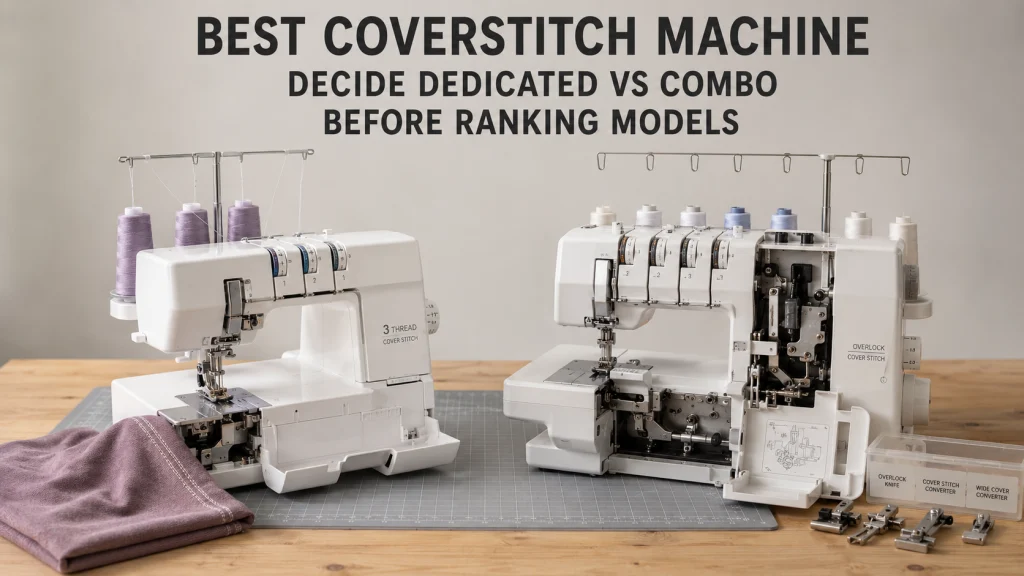
The best coverstitch machine matches a recurring operation and an ownership format you can live with, not simply the longest feature list. A dedicated system can stay ready for coverstitch work, while a combination overlock and coverstitch system trades that readiness for a smaller machine footprint. The right choice depends on required stitches, switching frequency,

Mechanical vs Computerized Sewing Machine: Compare the Controls Before the Category Claims

Mechanical Vs Computerized Sewing Machine

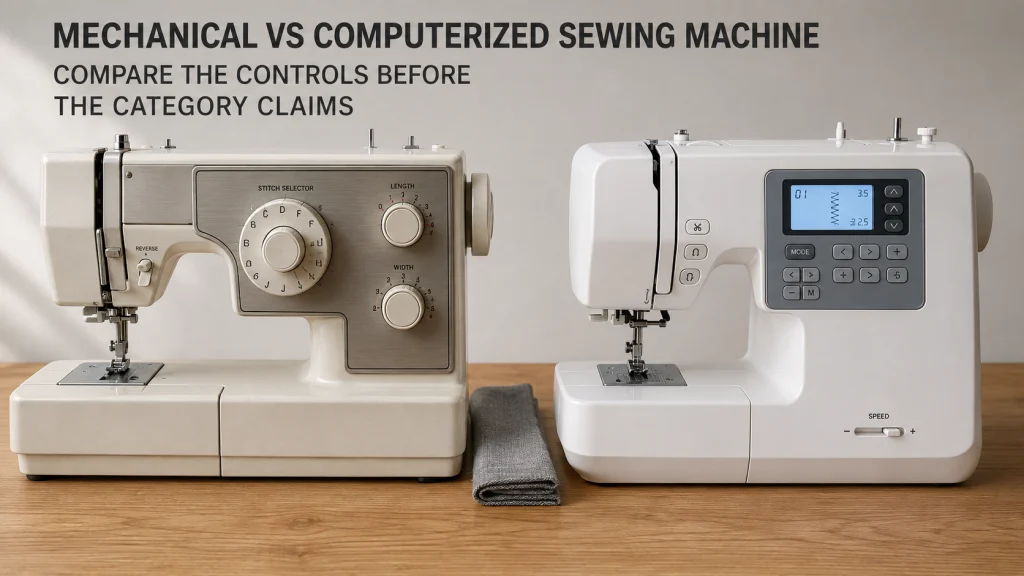
A mechanical machine can include conveniences that buyers often assume belong only to computerized models, while a computerized machine can omit controls that another computerized model provides. The useful comparison is therefore not “simple versus advanced,” but whether each exact machine gives you the stitch controls, speed behavior, buttonhole workflow, needle functions, documentation, and support

Top-Loading vs Front-Loading Bobbin: Separate Access From Hook Design

Top Loading Vs Front Loading Bobbin

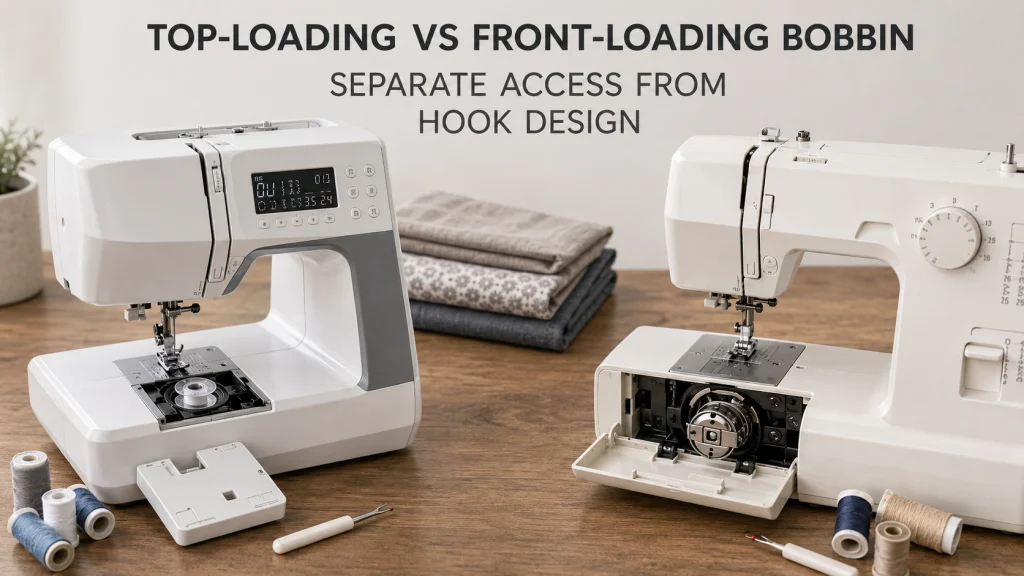
A top-loading or front-loading label mainly tells you where you access the bobbin, not how the hook moves or how well the machine will sew. The useful comparison is physical: access path, bobbin orientation, case or holder arrangement, cover visibility, and what the exact manufacturer documentation says about the hook system. Those details can affect

Why Is My Sewing Machine Eating Fabric? Separate Needle-Plate Capture From a Hard Jam

Why Is My Sewing Machine Eating Fabric

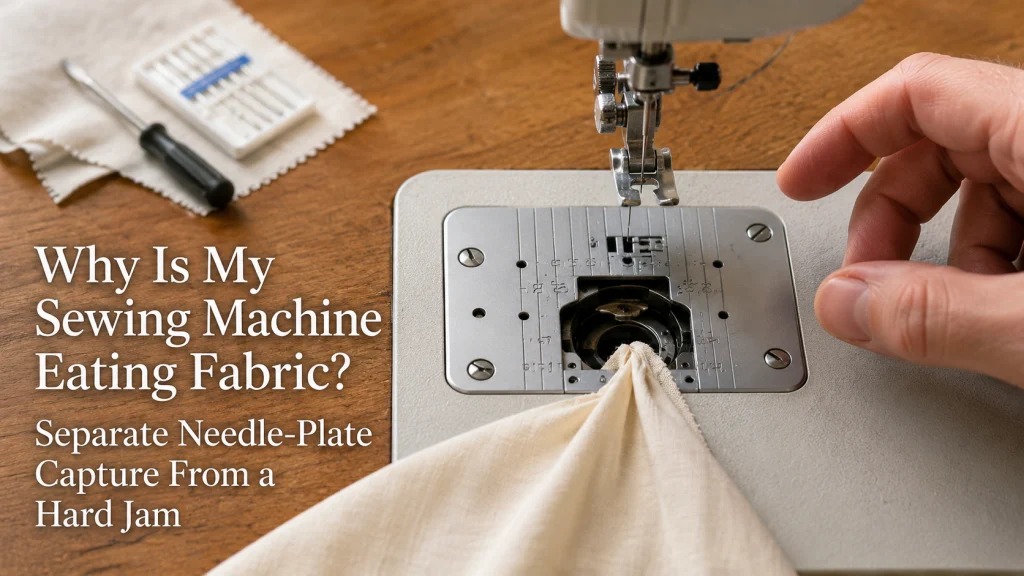
When fabric disappears into the needle-plate opening, the immediate question is not tension or stitch quality. First determine whether the material itself has been captured below the plate, whether intact fabric is sitting over a thread nest, or whether the machine has reached a hard mechanical lock. Stop sewing before pulling on anything, then follow

Pinking Shears: Choose the Zigzag Edge Tool Without Turning It Into a Seam-Finish Tutorial

Pinking Shears

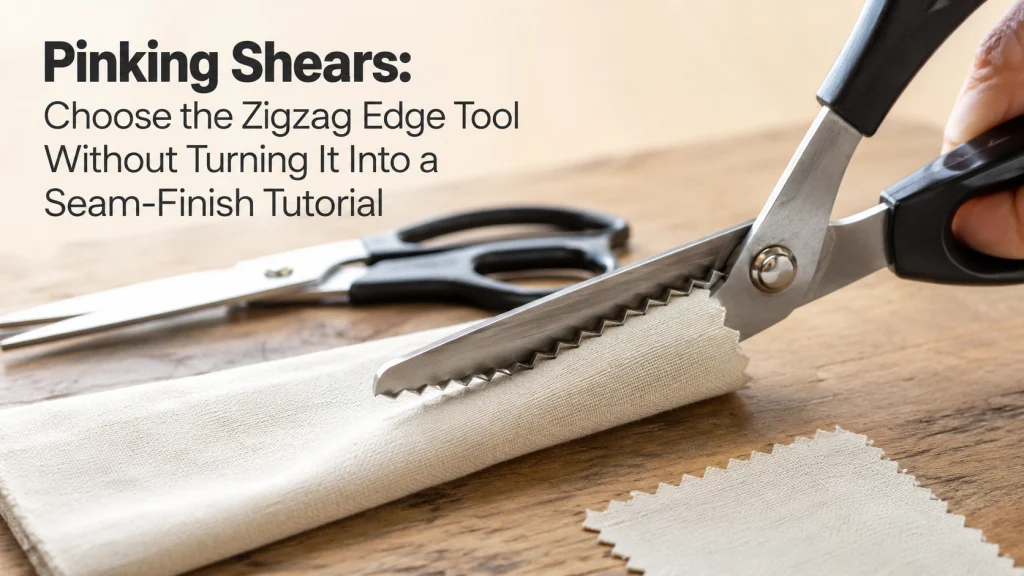
These fabric-cutting shears use saw-toothed blades that leave a zigzag edge, but buying the tool is not the same decision as choosing pinking as a seam finish. Start by confirming that you actually want that cut edge, then compare blade length, tooth pattern, fabric guidance, and maintenance requirements. Pinking can reduce fraying on suitable woven

Metallic Sewing Thread: Choose the Construction Before the Sparkle

Metallic Sewing Thread

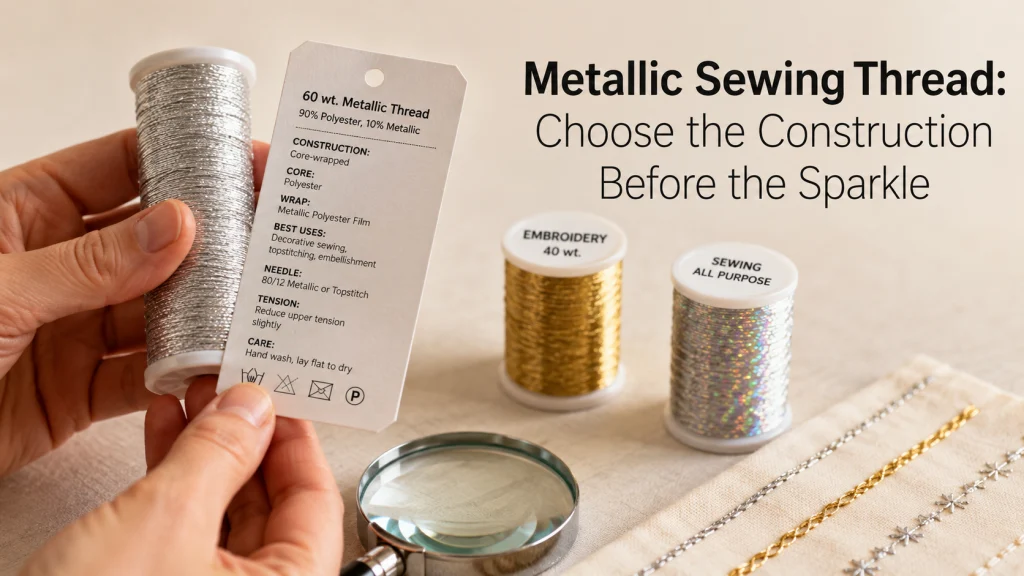
Metallic sewing thread can add reflective decorative stitching, but shine alone does not prove that a spool belongs in an ordinary domestic sewing machine. Start with the manufacturer’s intended use, then read the thread construction, size label, and application scope before comparing color or finish. A product made for machine embroidery may sit beside a

Sewing Machine Needle for Denim: Choose the Product Type Before the Size Chart

Sewing Machine Needle For Denim

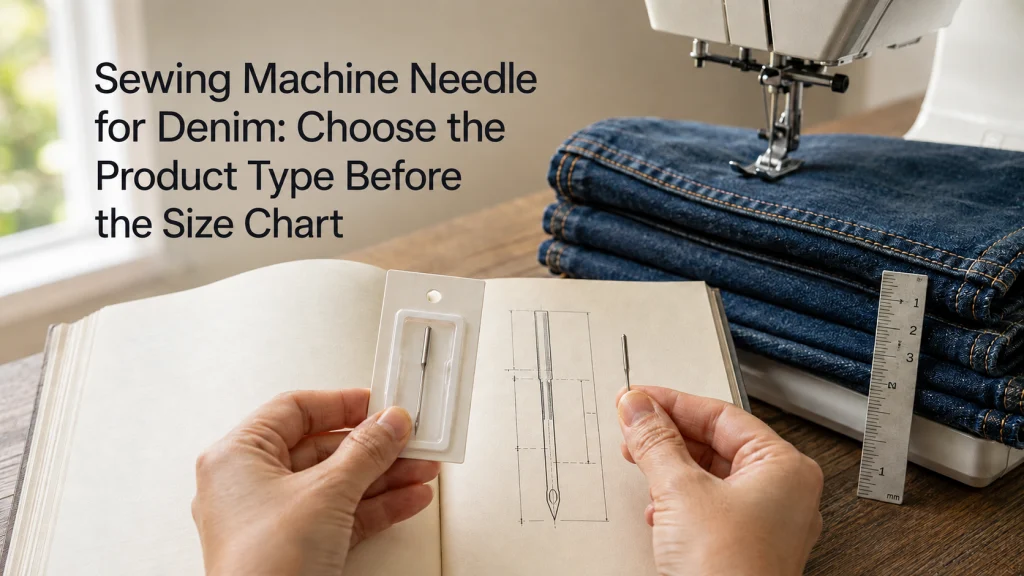
A sewing machine needle for denim should be chosen in two stages: first verify the needle system and product family, then size the needle from the actual fabric, thread, and layer stack. Denim and Jeans needles are documented as a distinct household needle type, but the word denim alone does not determine one universal blade

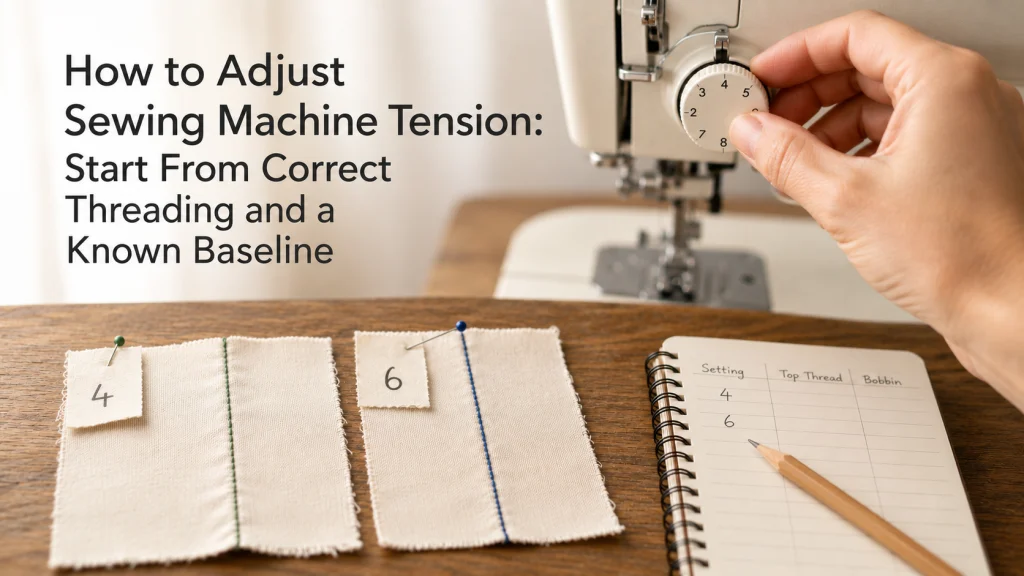
How to Adjust Sewing Machine Tension: Start From Correct Threading and a Known Baseline

Sewing Machine Tension Adjustment

Sewing machine tension should be adjusted from a known, correctly threaded baseline, not from a random dial position or a symptom that has not been checked. The useful control for normal owner adjustment is usually the user-facing upper-thread tension control, and its starting value depends on the exact machine documentation. A representative test sample lets